TRAILER ORDINANCES
January 2016, by Emily Koller, TMSP Planner
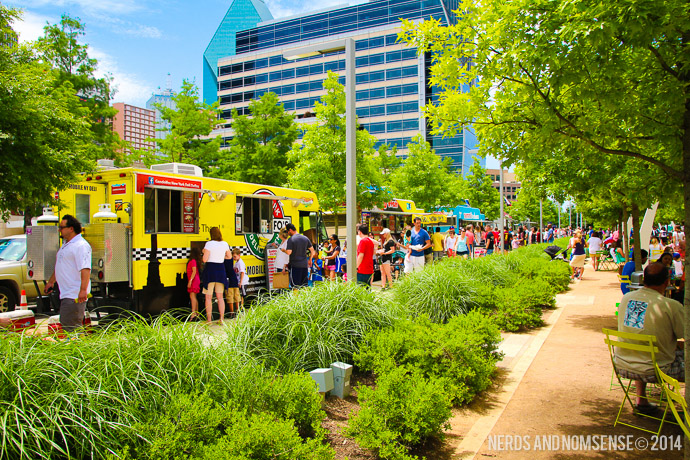
As food trucks have grown in popularity, many city officials wrestle with how to update or implement new regulations. Municipalities are being forced to address issues that arise over competitiveness, parking, sanitation, property and sales taxes, and proximity to brick and mortar businesses. Local regulatory debates are shaped by the different perspectives of the varied stakeholders, including food truck vendors, local restaurant owners, restaurant associations, consumers, and city officials.
Generally there are four main policy areas for local decision-makers to consider:
Economic Activity – aspects of food truck regulation that could potentially enhance economic development (e.g., streamlining permitting processes and permitting costs)
Public Health – aspects related to sanitation and food safety
Public Safety – aspects related to the utilization of private property, vending proximity to schools, and pedestrian safety
Public Space – aspects of food truck regulation that deal with the use of the utilization of public property to conduct business (e.g., time constraints, proximity rules, and geographic limitations related to density)
There are many recently adopted examples from around Texas that address the above policy areas to varying degrees. Typically a city adopts an ordinance outlining the standards for operation along with the permitting process. It is common that both the health department and planning department will be involved – often multiple permits and inspections are required. Main Street programs can be a helpful intermediary to help explain and simplify the process so that it as business-friendly as possible. Below are a few examples of Food Truck Ordinances.
· Austin Mobile Food Vendor Packet [pdf]
· College Station Mobile Food Vendor Application and Ordinance [pdf]
· Denton Food Truck Application, Requirements and Ordinance [pdf]
· Round Rock Mobile Food Establishment Application and Ordinance [pdf]
· Taylor Mobile Food Vendors and Food Courts Ordinance [pdf]
· Waco Mobile Food Vendor Packet [pdf]
Additional Policy Info -
Food on Wheels: Mobile Vending Goes Mainstream by the National League of Cities (2013) http://www.nlc.org/Documents/Find%20City%20Solutions/Research%20Innovation/Economic%20Development/FoodTruckReport2013_Final_9-26.pdf
Case Study: On the Go – Insights into Food Truck Regulation in US Cities by the Ash Center for Democratic Governance and Innovation at Harvard’s Kennedy School (2015)
http://datasmart.ash.harvard.edu/assets/content/On_the_Go.pdf
Pop Up Retail Ordinances
April 2018, Listserv Thread
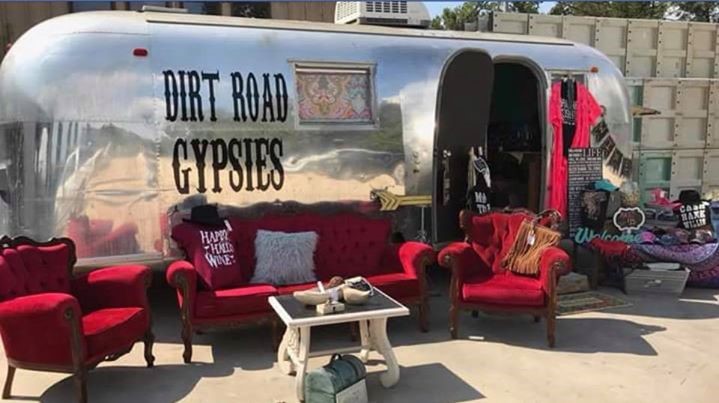
Question: We are considering an ordinance to allow trailer pop up retail, sort of like this. If you have an ordinance that addresses something similar, would you share? Please and thank you.
Carolyn Teague, Mount Vernon Main Street Manager
Response: There are plenty of food truck ordinances, but retail use is different. There are some large cities that run mobile retail programs that might help you. I’ve linked those below.
Emily Koller, TMSP Planner
Austin, Texas
Program: http://www.austintexas.gov/page/mobile-retail-establishments
Ordinance: http://www.austintexas.gov/edims/document.cfm?id=213371
St. Paul, MN