If you’re looking for an overview of the Main Street program, you’ve come to the right place! (Ready to dive deeper? Click on the “Browse Resources” buttons under each of the Four Points below. )
Managers, do you need a presentation to share with your board? Feel free to share the Main Street 101 video, PDF below, or share any of the Four Points videos - each video is approximately an hour.
Managers, you’ve just been hired on, and don’t know where to go next? Click on the “Now What” PDF below.
Main Street empowers communities set their own destinies. While revitalization is challenging work, the Main Street program offers a roadmap for locally-owned, locally-driven prosperity. Across the country, thousands of communities have used the Main Street Approach to transform their economies, leverage local leadership, and improve overall quality of life.

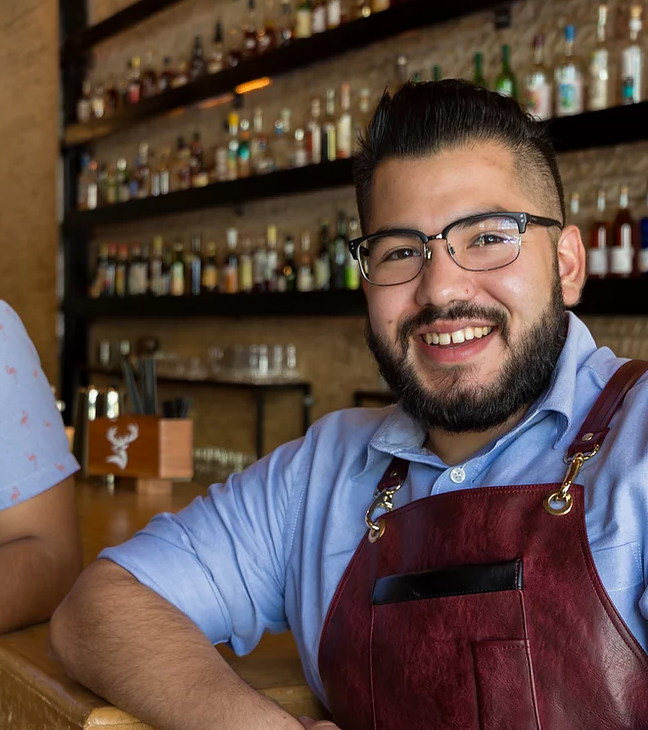
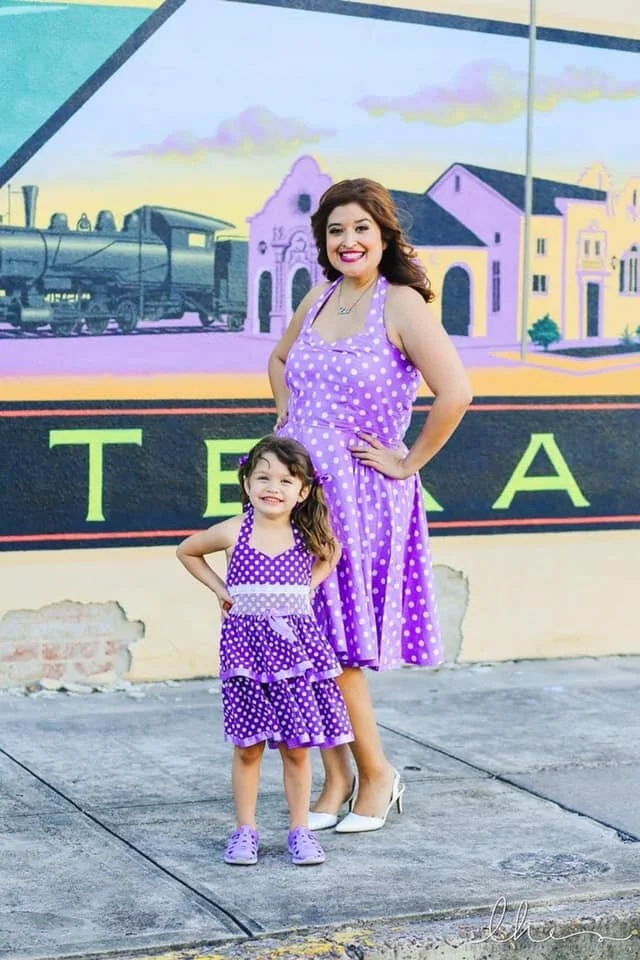
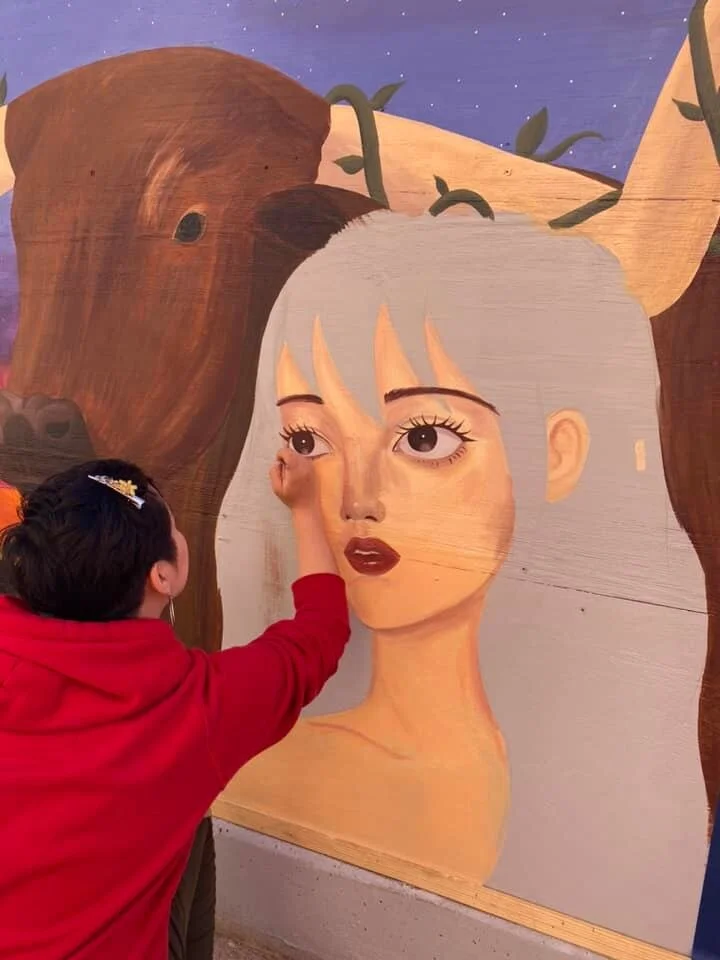
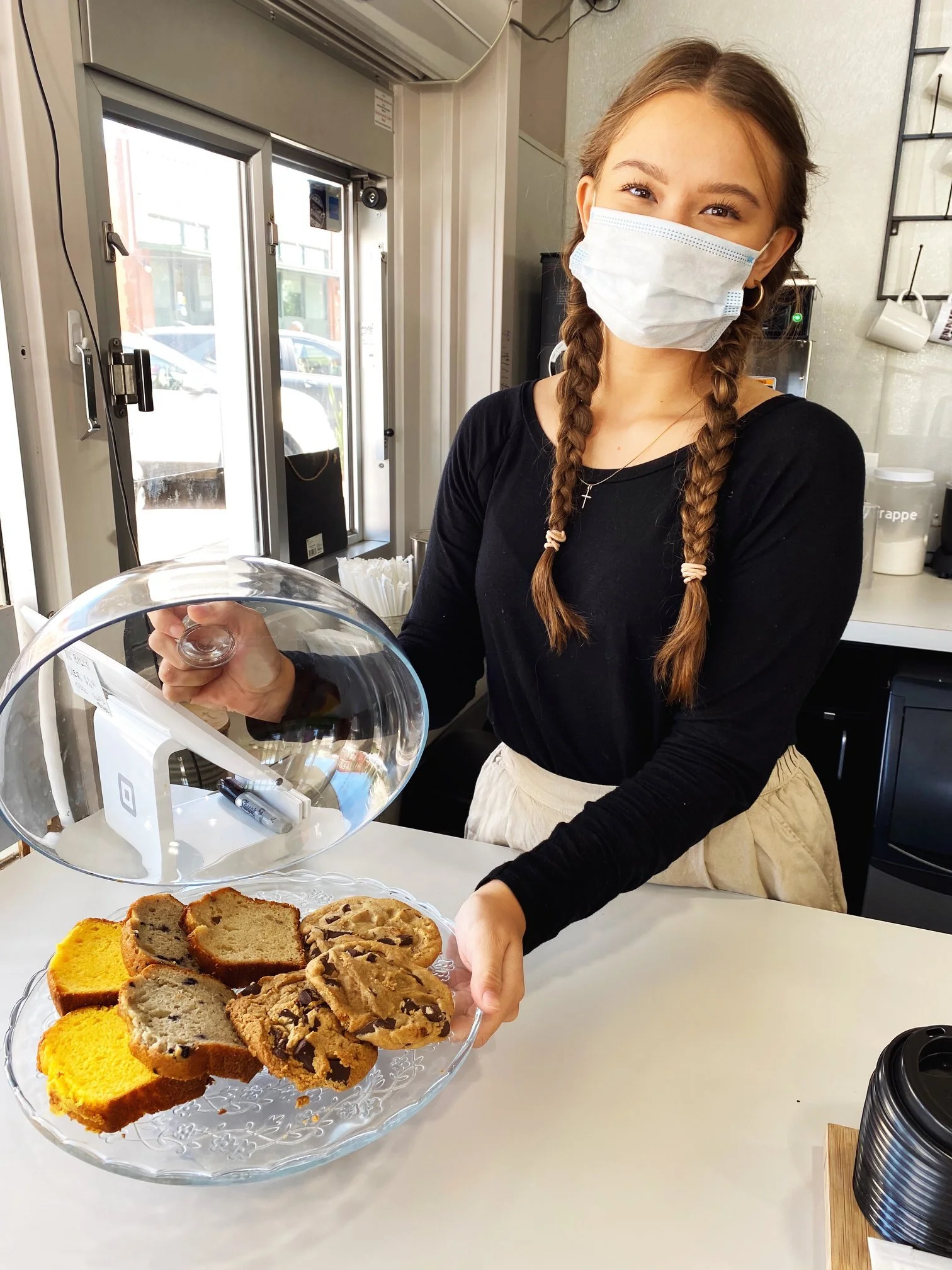
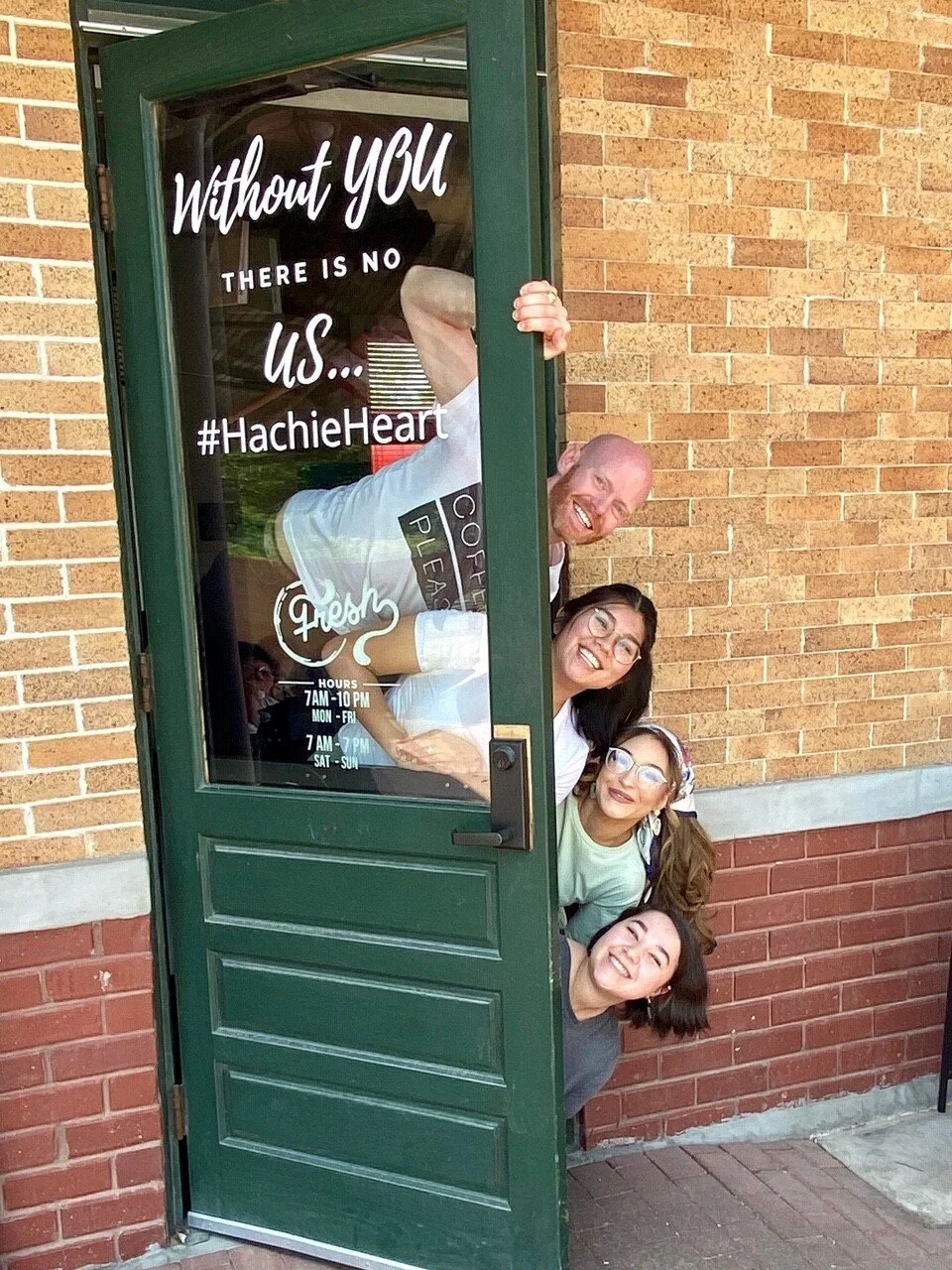
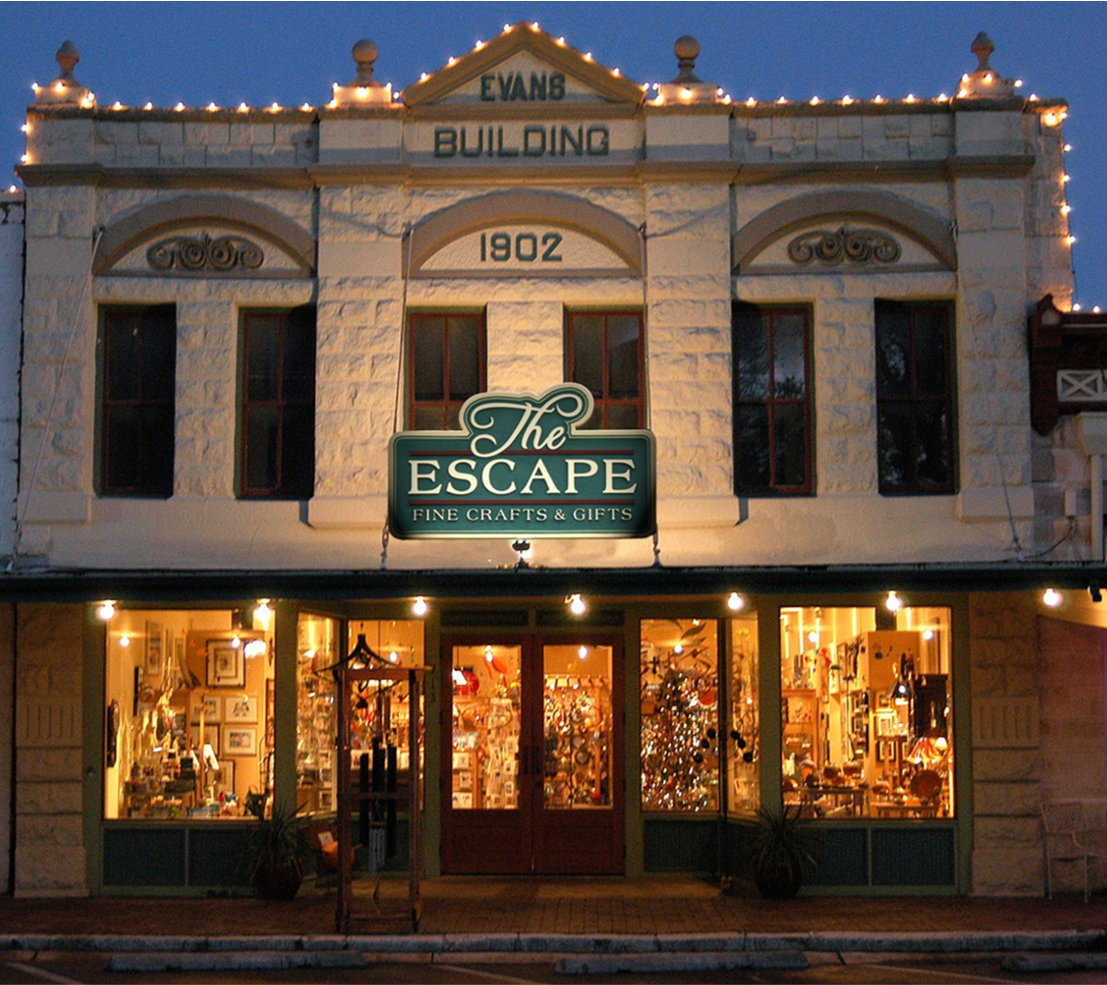
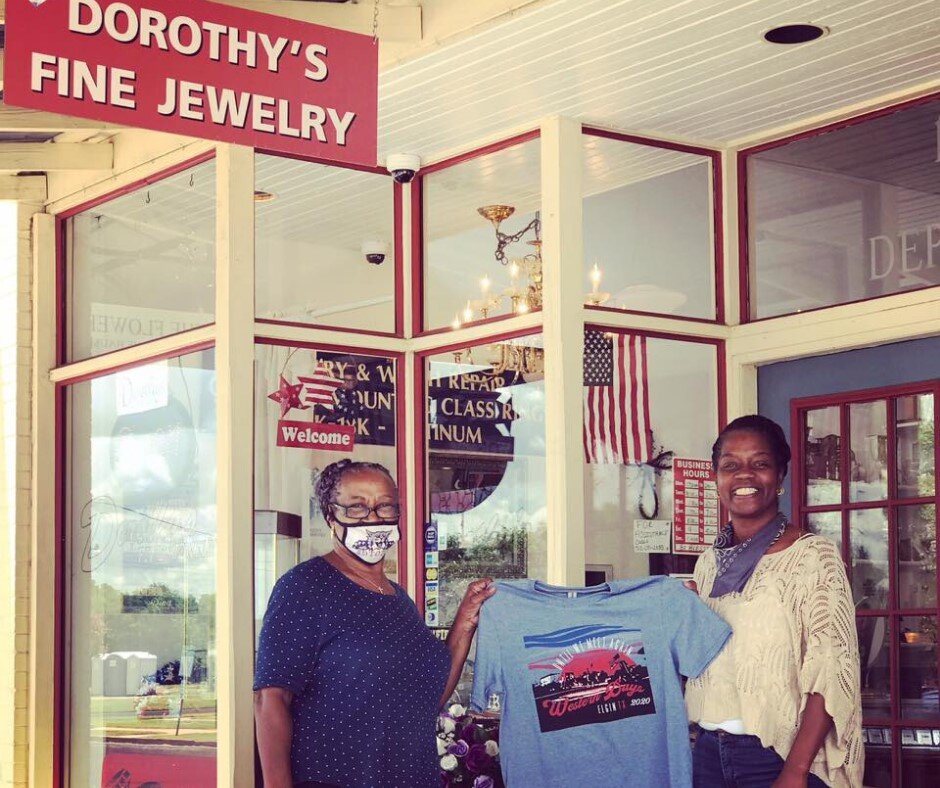
“We believe that everyone deserves access to a vibrant neighborhood – a place that has a thriving local economy, is rich in character, and features inviting public spaces that make residents and visitors feel that they belong. ”
Transformation Strategies
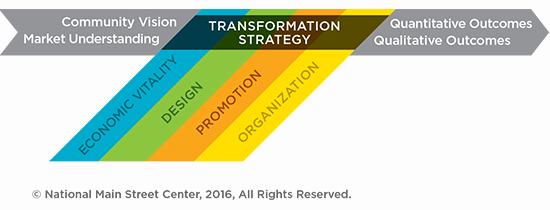
The Main Street Approach is centered around Transformation Strategies. A Transformation Strategy articulates a focused, deliberate path to revitalizing and strengthening a downtown or commercial district. A Transformation Strategy might focus a community’s work on a particular demographic—creating a “family-friendly” downtown, for example, or a Transformation Strategy might focus on a specific industry segment such as building upon existing arts opportunities to create a vibrant “Arts & Entertainment” district.
The Four Points
As a community tackles its Transformation Strategies, its work should be organized around the Four Points: Economic Vitality, Design, Promotion, and Organization. To learn more about the Four Point Approach, watch this short 1-minute video - and keep reading below!
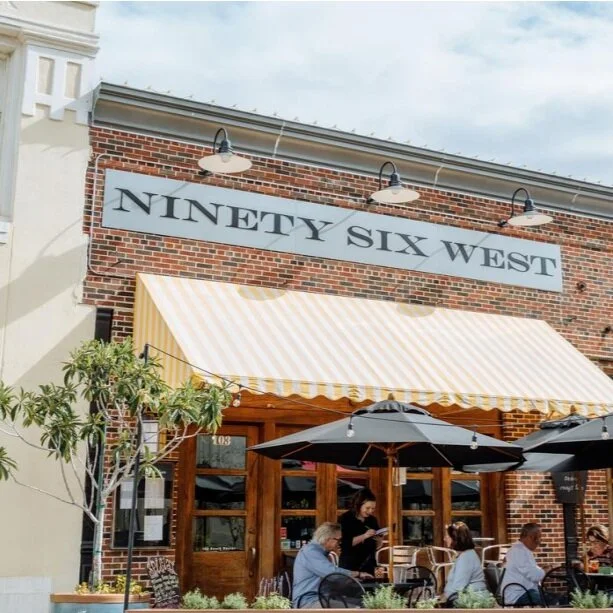
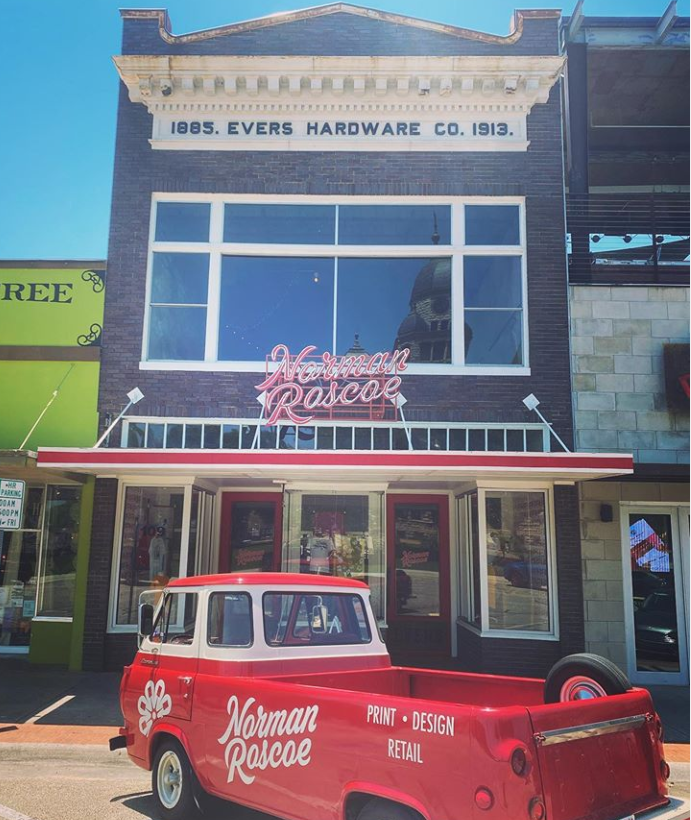
Signage, windows, awnings, plantings, seating - all elements contribute to the character of a place.
Design
Successful Main Streets take advantage of the visual opportunities inherent in a commercial district by directing attention to all of its physical elements: buildings, storefronts, signs, public spaces, parking areas, street furniture, public art, landscaping, merchandising, window displays. An appealing atmosphere, created through attention to all of these visual elements, conveys a positive message about the commercial district and what it has to offer.
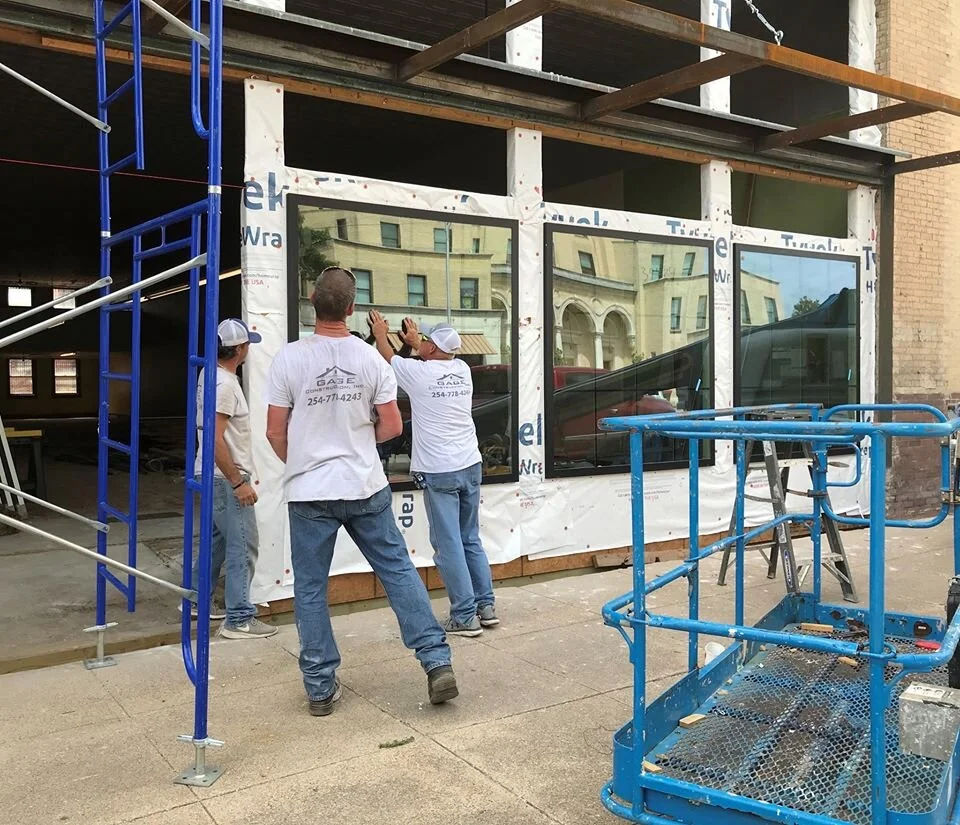
Typical Main Street design activities include: implementing good maintenance practices in the commercial district; enhancing the district's physical appearance through the rehabilitation of historic buildings; encouraging appropriate new construction; developing design guidelines; and educating business and property owners about design quality.
A paid manager + a solid volunteer base + community partners = A GREAT DOWNTOWN!
Organization
The most effective Main Street programs get everyone working toward the same goal. Organization establishes consensus and cooperation by building partnerships among the various groups that have a stake in the commercial district. With this level of collaboration, your Main Street program can provide effective, ongoing management and advocacy for your downtown or neighborhood business district.
Through volunteer recruitment and collaboration with partners representing a broad cross section of the community, your program can incorporate a wide range of perspectives into its efforts. Volunteers are coordinated and supported by a paid program director, or manager. This structure not only divides the workload and clearly delineates responsibilities, but also builds consensus and cooperation among the various stakeholders.
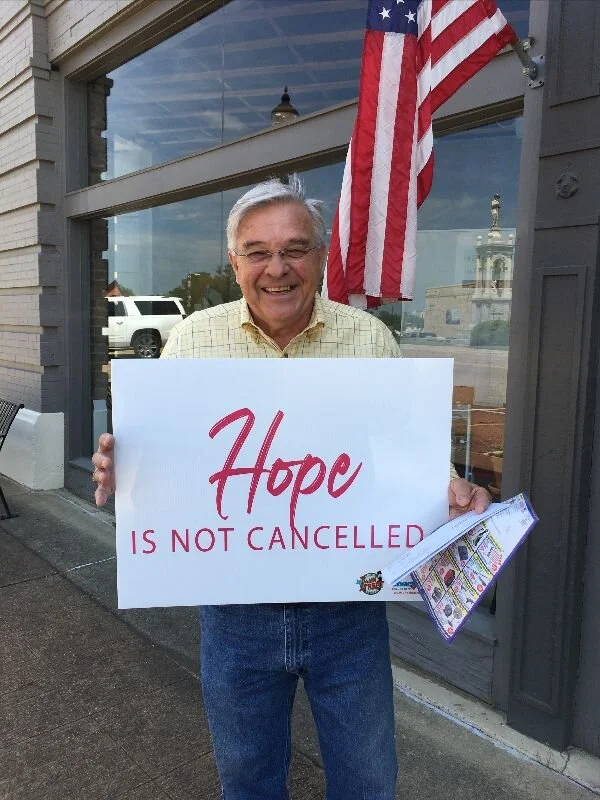
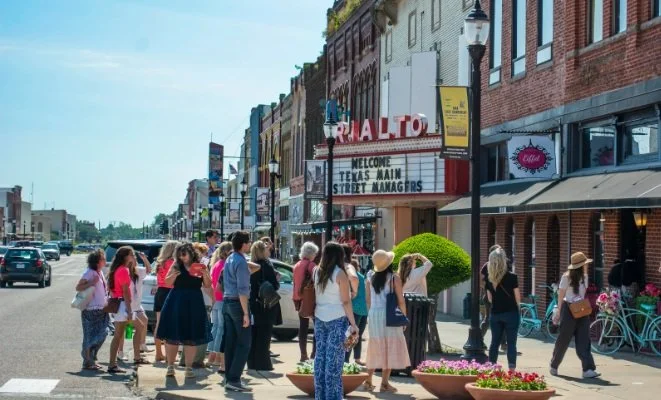
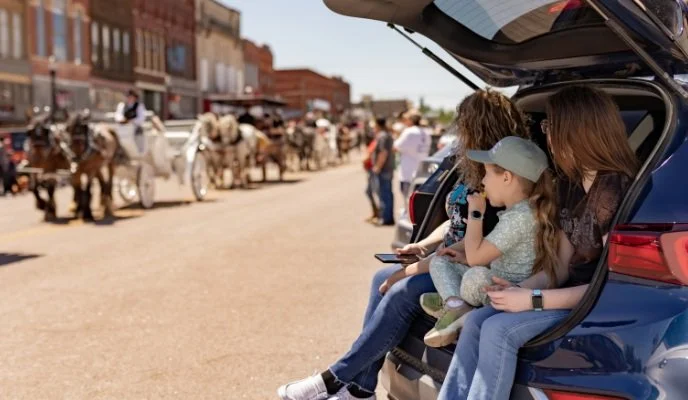
Summer sidewalk sales can boost sales and remind people to “shop local”!
Promotion
Promotion takes many forms, but the end goals of any promotions activity are these:
1) to position the downtown as the center of the community and hub of economic activity
2) to create a positive image that showcases a community’s unique characteristics.
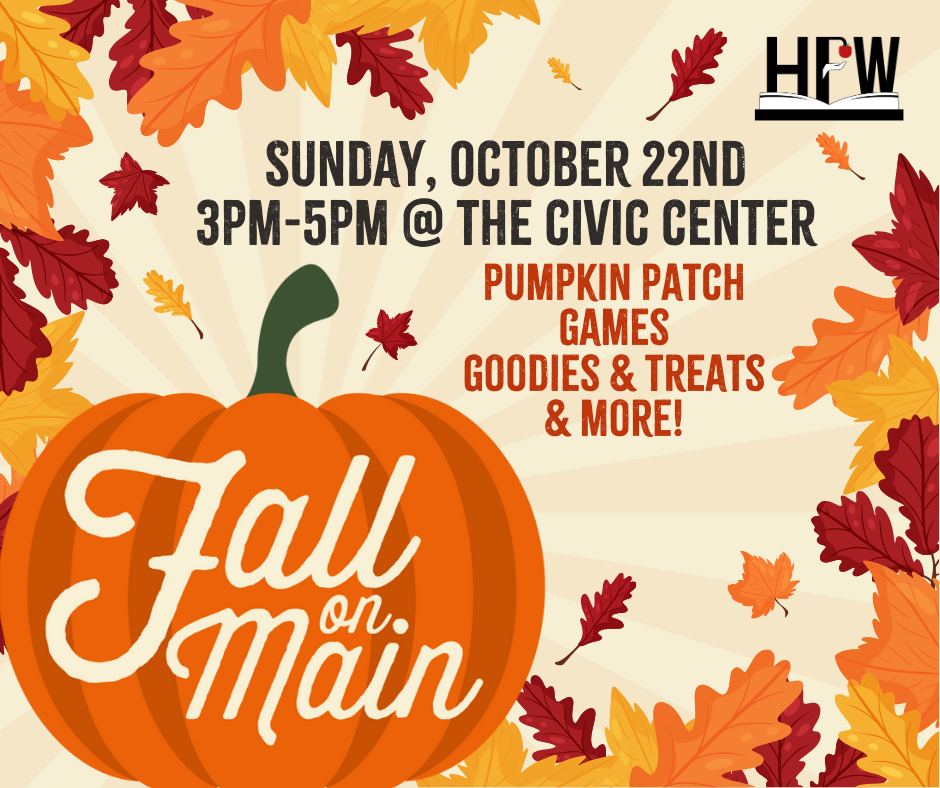
Promotions can encompass a variety of activities: special events designed to drive people to your downtown; retail-focused events meant to boost your local businesses; a strong digital presence that helps tell the story of your downtown. Working together, these activities help nurture a sense of pride and reinforce the message that your downtown is worth visiting and supporting.
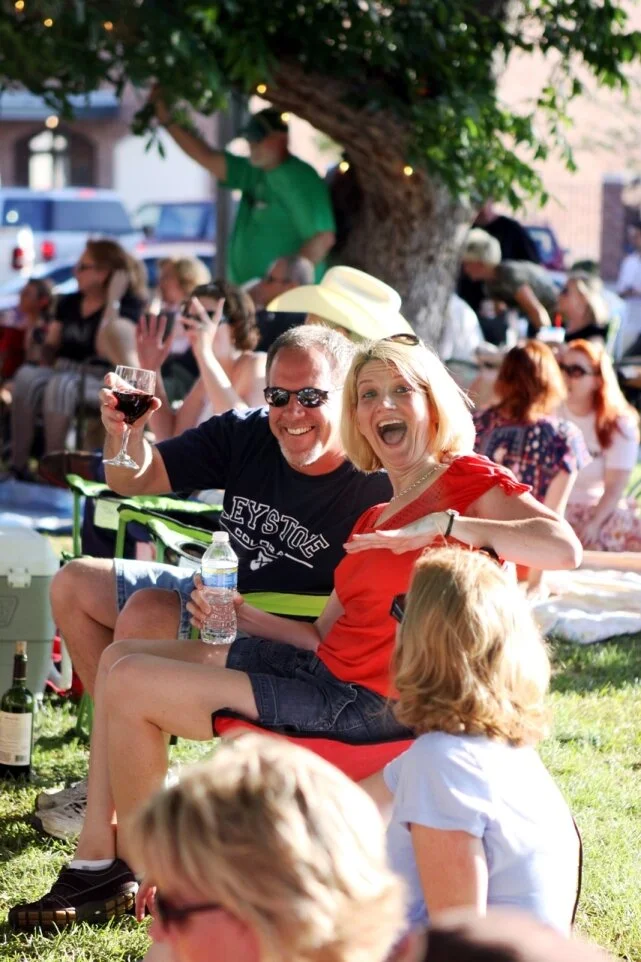
A vibrant downtown, businesses that survive, thrive, and contribute to a community’s well-being.
Economic Vitality
Economic vitality is the “bullseye” of any Main Street program; the other three points— design, promotion, organization—all work in the service of Economic Vitality. A downtown filled with vibrant, locally-owned businesses, a culture of entrepreneurship that nurtures fledging operations, and a growing economy that makes the whole community stronger—this is the heart of Main Street!
A strong Economic Vitality strategy starts with data; understanding the current market and existing business mix is a crucial first step. Important next steps include creating an accurate property inventory and reaching out to business owners to understand their needs. With a solid understanding of market conditions, challenges, and opportunities, a Main Street program can work strategically to strengthen existing businesses as well as recruit new ones.