
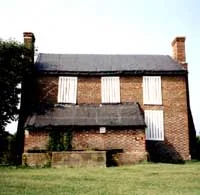
When all means of finding a productive use for a historic building have been exhausted or when funds are not currently available to put a deteriorating structure into a useable condition, it may be necessary to close up the building temporarily to protect it from the weather as well as to secure it from vandalism. This process, known as mothballing, can be a necessary and effective means of protecting the building while planning the property's future, or raising money for a preservation, rehabilitation or restoration project. If a vacant property has been declared unsafe by building officials, stabilization and mothballing may be the only way to protect it from demolition.
Preservation Brief #31 from the National Park Service focuses on the steps needed to "de-activate" a property for an extended period of time. The project team will usually consist of an architect, historian, preservation specialist, sometimes a structural engineer, and a contractor. Mothballing should not be done without careful planning to ensure that needed physical repairs are made prior to securing the building. The steps discussed in this Brief can protect buildings for periods of up to ten years; long-term success will also depend on continued, although somewhat limited, monitoring and maintenance. For all but the simplest projects, hiring a team of preservation specialists is recommended to assess the specific needs of the structure and to develop an effective mothballing program.
Preservation Brief #31 - Mothballing Historic Buildings - http://www.nps.gov/tps/how-to-preserve/briefs/31-mothballing.htm