
The Dangers of Stucco Removal from a Brick Façade
April 2016 Main Street Matters
Article written by Sarah Blankenship, Project Design Assistant, Texas Main Street Program
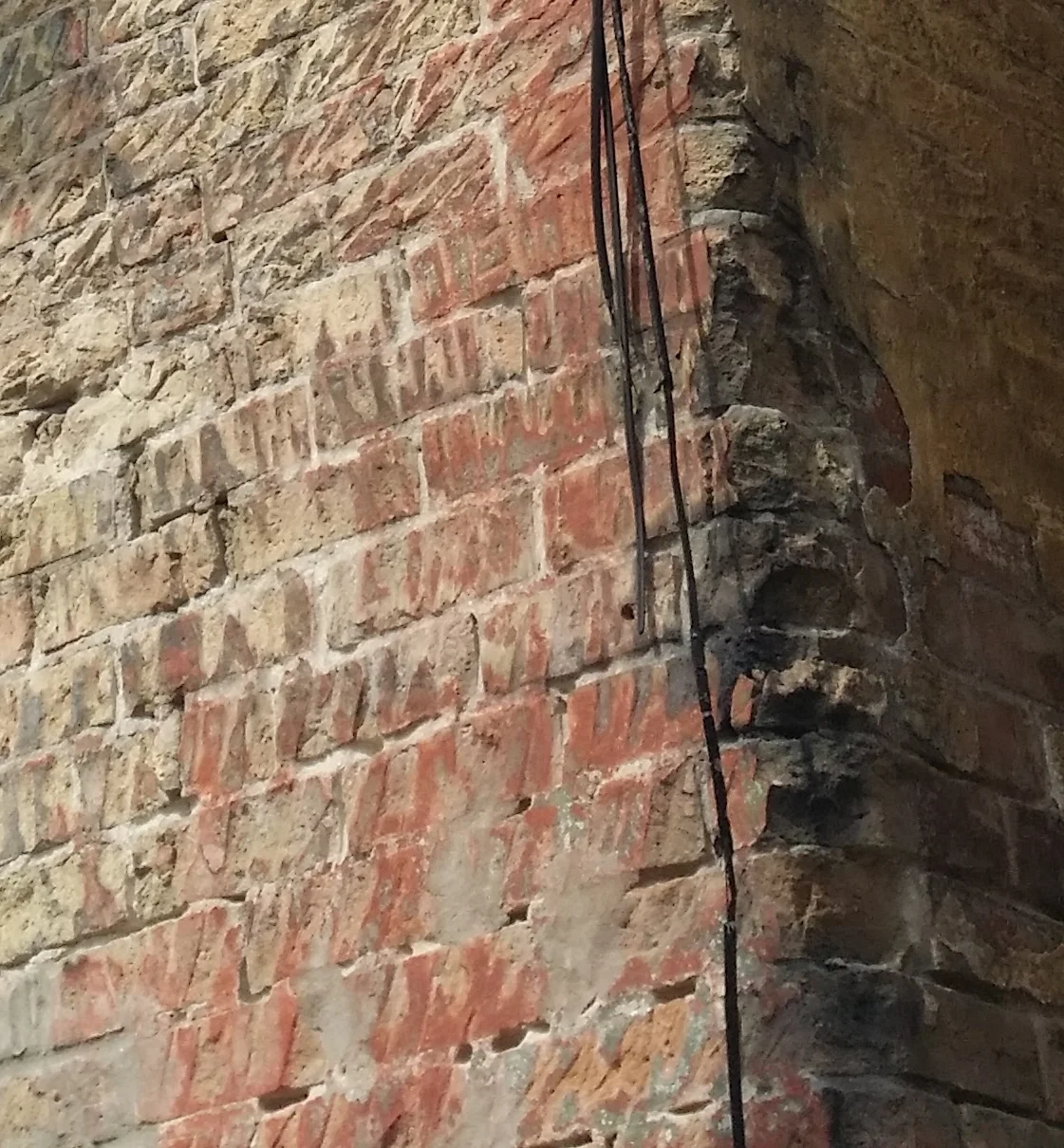
On a site visit to Brownsville last week, there was a good example brings more depth and visual interest to the building. However, there is a problem. Taking a closer look at the façade reveals severely damaged brick. On the bottom middle, the face front of the brick has been ripped off with the stucco. On the bottom right, lines can be seen where the brick was purposefully damaged/hammered to create grooves to attach the stucco. of why it does not always work to remove the stucco from a building. In the left image below, the remaining stucco can still be seen. As preservationists, the opportunity to bring back the former glory of a building that has been hidden is exciting. From this vantage point, removing the stucco reveals the original brick colors, mortar, pattern, and the detailing on the cornice line. It certainly brings more depth and visual interest
to the building.
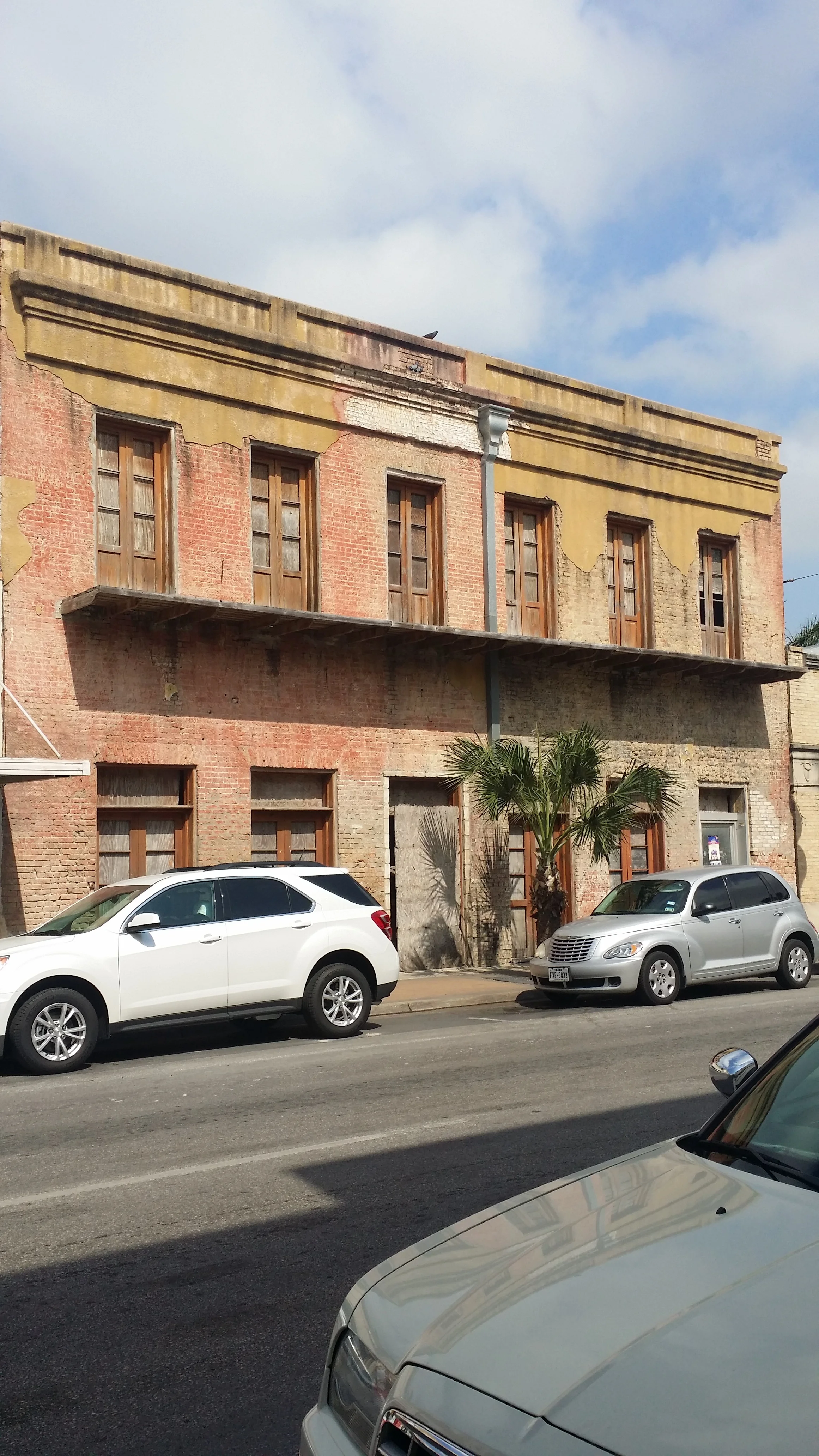
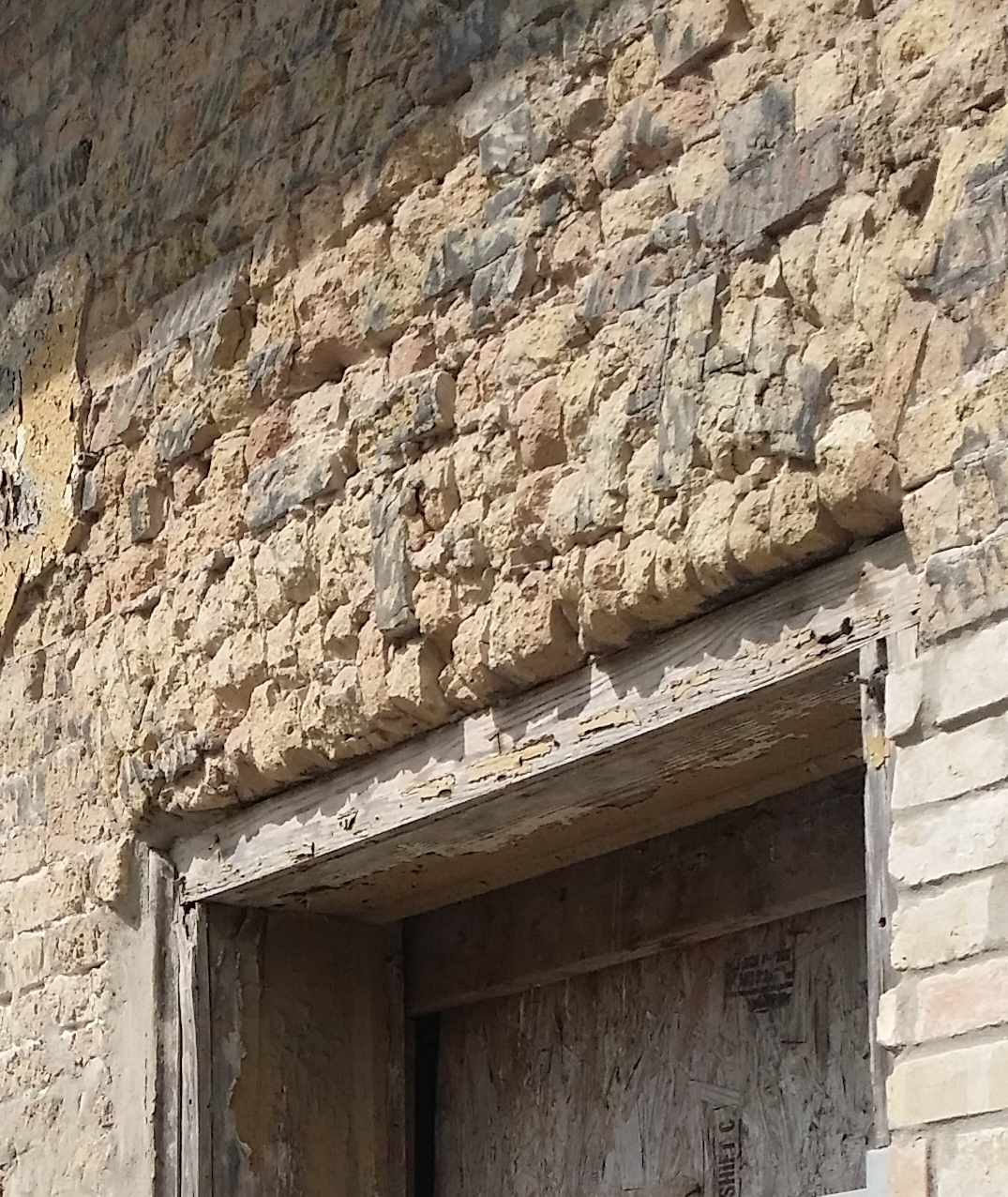
Removing slipcovers from buildings can be challenging. (Left) All parts of the stucco slipcover may not be removable. (Middle) In some cases, the
face front of the brick can be ripped off along with the stucco. (Right) Lines are visible where the brick was purposefully damaged to create grooves
so the stucco could attach.
However, there is a problem. Taking a closer look at the façade reveals severely damaged brick. On the bottom middle, the face front of the
brick has been ripped off with the stucco. On the bottom right, lines can be seen where the brick was purposefully damaged/hammered to
create grooves to attach the stucco.
What is the problem with both these conditions? Most visibly, the aesthetics are diminished, but more importantly, this building is now more susceptible to deterioration. Made of clay, shale, and local additives, bricks are fired in a kiln to create a strong durable material. The exterior is the strongest and hardest part. When the exterior surface of the brick is removed, it exposes the softer interior of the brick, and this brick is much more susceptible to deterioration by weather. If left in this condition, the front façade will gradually crumble off.

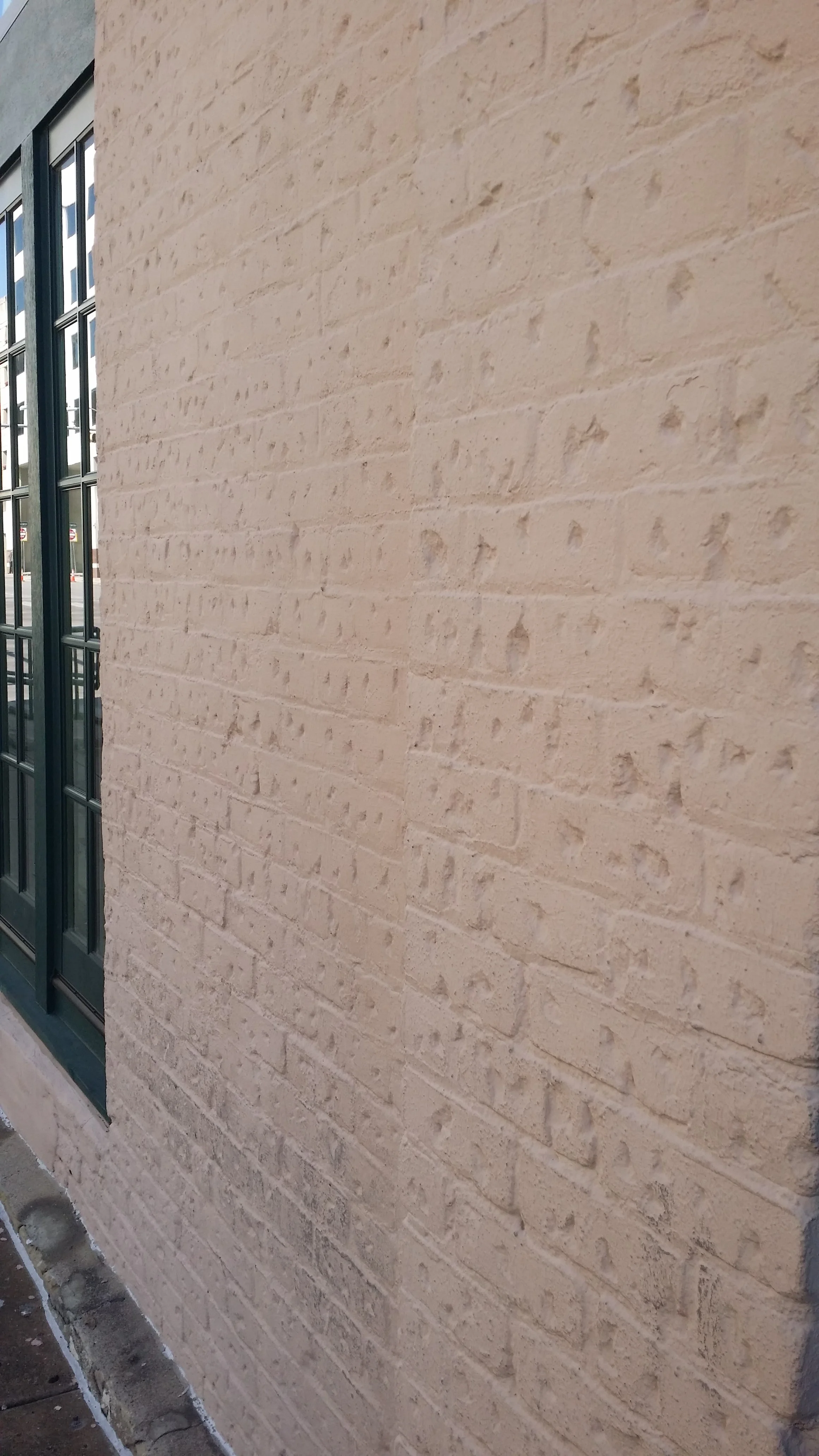
(Left) Building owners sometimes choose to paint or seal their brick which can create potential problems in the future. It is very important to treat
the problems before painting or sealing. (Right) Defects of damaged brick.
So what do you do? Most likely, the best option is to simply reapply the stucco. While this may be a disappointing thought, consider that a stucco surface may have been the original design intention and the most appropriate to the building. Stucco, also referred to as plaster and render, has been used since ancient times as a finished surface. An NPS Preservation Brief explains how Andrew Jackson Downing created influential pattern books in the 1850s. He advocated the use of stucco because in his opinion, stucco was superior in many respects to plain brick or stone because it was cheaper, warmer, dryer, and could be “agreeably” tinted.
Some buildings have chosen to paint or seal the brick, leaving the defects of the damaged brick visible. Paint creates the potential to trap water and cause further problems, so prep work to remove efflorescence, mildew, mold, moss, and possible entry points for water needs to be considered prior to adding another problem.
Many Main Street cities have decided to look into stucco removal to reveal the original historic brick facade. Prior to any removal, historic photographs must be utilized to determine if the original material was actually exposed brick. If it was brick, then investigate several small test areas to see how easily the stucco comes off. Multiple test areas are suggested because underlying surfaces may not have the same conditions. Test how easily the stucco can be removed. If the stucco pulls the face of the brick off, stop immediately. If the brick is damaged underneath, stop and leave/repair the stucco. If the stucco comes off without any problems and the brick underneath is undamaged, then
continue with removal.
Should any Texas Main Street have a question about stucco removal, the Design Team is available for consultation.