
Save Money, Promote Maintenance
February 2018 Main Street Matters
Written by Marie Oehlerking-Read, Project Design Assistant, Texas Main Street Program (TMSP)
The most cost-effective method of preservation or prolonging the life of a building is regular maintenance and repair.
Preservation projects do not have to be expensive, but they are often perceived that way and can be costly when attempting to restore or rehabilitate an entire building all at once. However, small repairs done on a regular basis can save downtown property owners a lot of money. Just like you brush your teeth to prevent cavities, gum disease, and a hefty bill from your dentist, historic buildings need this kind of attention as well.
Roof leaks, drafty windows, and deteriorated mortar joints appear small and insignificant at first, but if left untreated, over time these issues can threaten the health of any building.
Repair Before Replace
New or old, no building is maintenance free. Exposure to wind, rain, pollution, and other elements cause all building materials to deteriorate and wear down eventually. However, most elements found on a historic building can be repaired. That is how they were designed. Too often the untrained eye looks at a deteriorated window or wall and says, “No, we can’t use that. Tear it down.” But that does not have to be the case.
Over the last month, I had the opportunity to attend workshops on repair methods for wood windows and brick/stone masonry. The craftspeople that taught these classes are nothing short of artists. The work they do takes true talent and time. The services they provide not only improve the appearance of a historic building, but they improve how it functions and prolongs its life.
During the Real Places conference, John Hindman, owner of Red River Restorations in Austin, provided an in-depth presentation over the wood window restoration process and gave a tour of his workshop, where we got to see the craftspeople in action. The images on this page highlight the major steps involved in window repair.
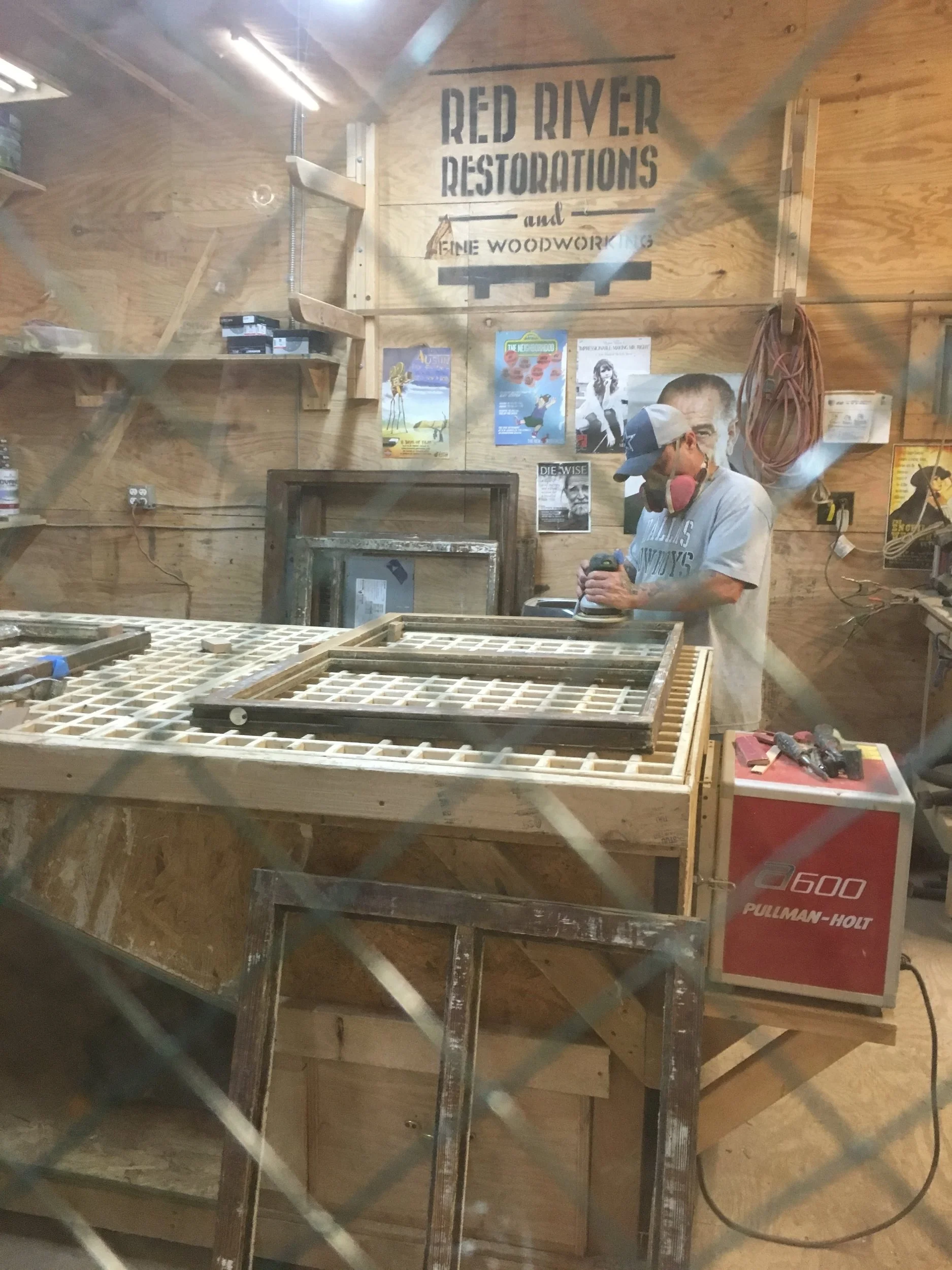
The first step in window repair is removing existing paint from
window sashes by manual scraping and sanding.
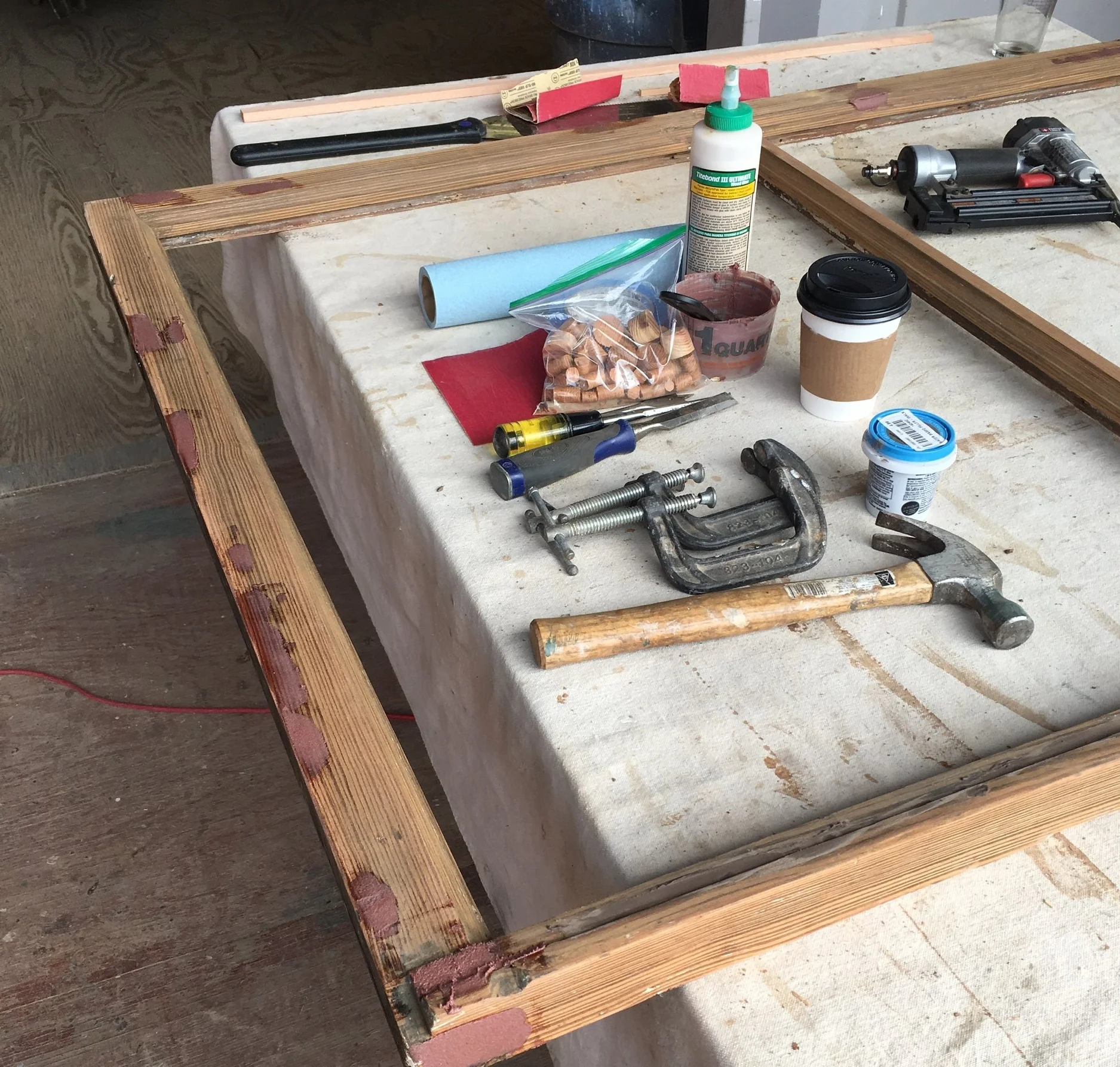
Bare wood is inspected and weak spots are repaired using consolidants, epoxies, and woodplugs.
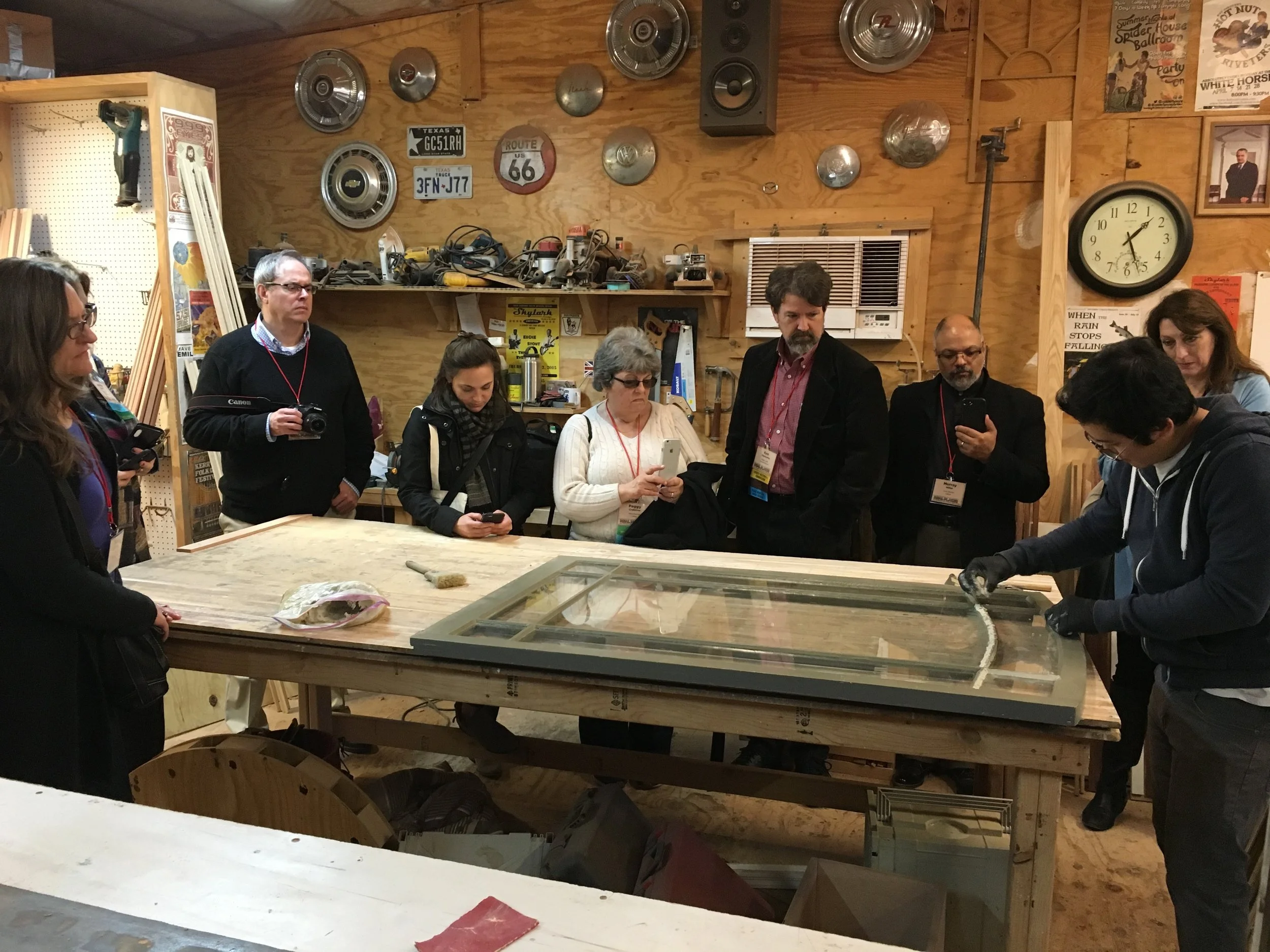
Finally, new glazing points and putty are installed to hold the glass pane in the wood frame, and the windows are repainted.
The second workshop was hosted by the recently founded Restoration Training Collaborative, which is a program created by Conproco and Prosoco with the goal of providing extensive training and support to restoration professionals. The trainers explained in detail the numerous ways to clean and remove staining from brick and stone masonry. Below are a few examples.
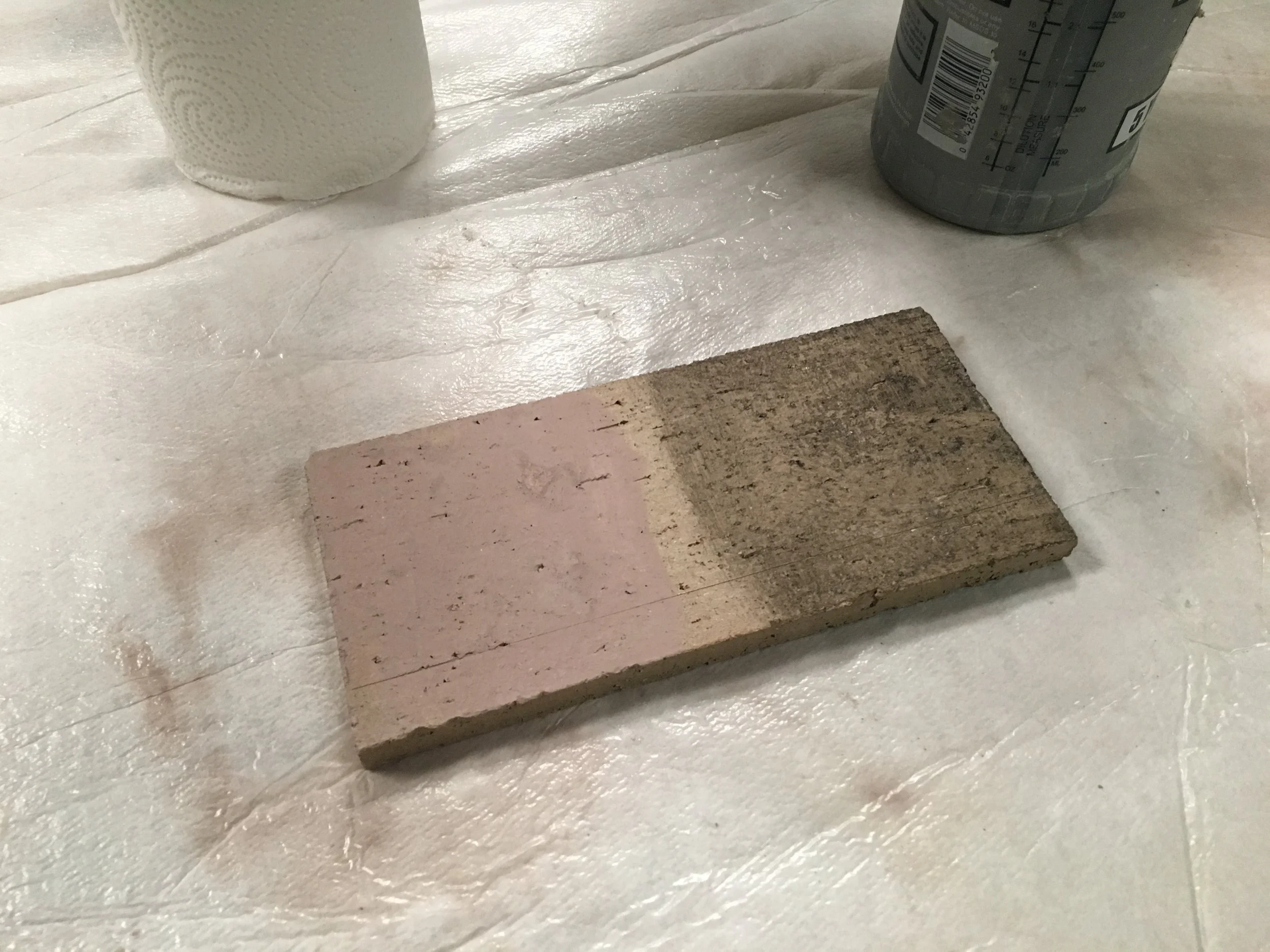
The buff brick mockup represents mud on the left and soot stains on the right.
Prosoco 2010 All Surface Cleaner diluted in water was used to remove the stains. The solution was applied using a soft bristle brush and was then scrubbed by hand.
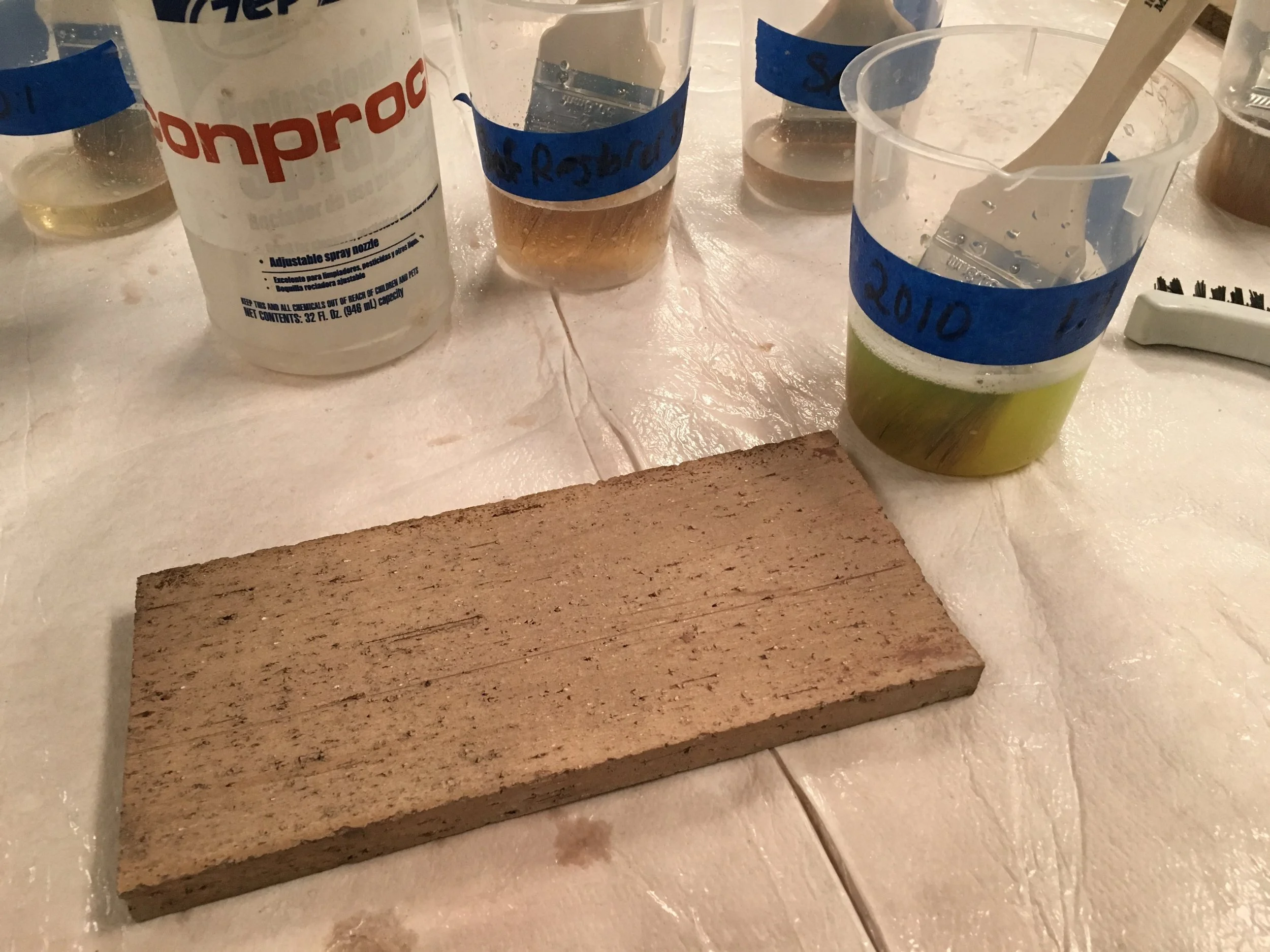
This illustrates how clean this method made the stone in just a few minutes. Removing these types of buildup prevent the decay of the masonry.
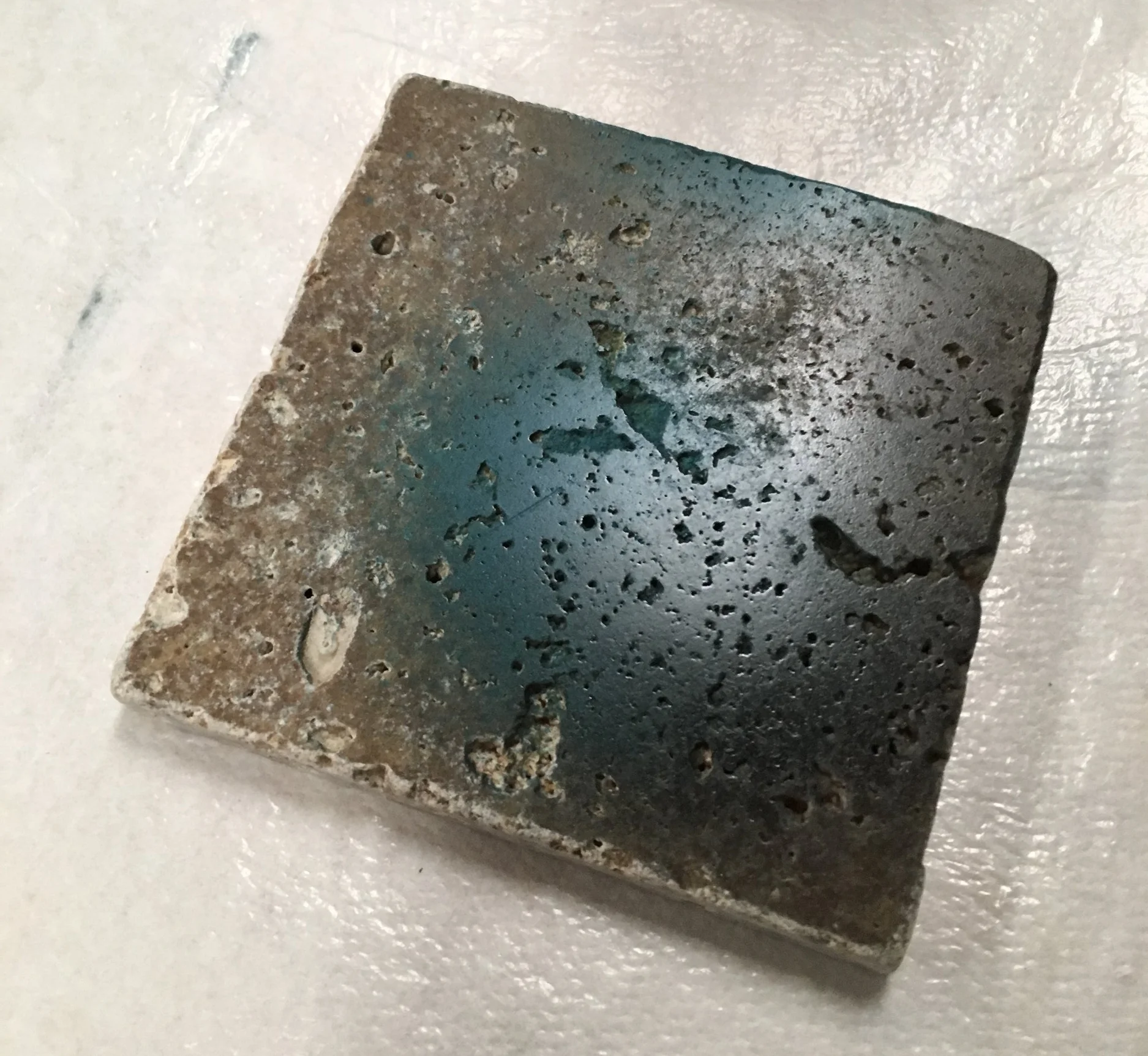
Various types of paint and graffiti can also be removed from brick and stone without damaging the substrate. The image shows how this travertine was covered in bright blue paint. Prosoco Safstrip 8, which comes in a gel format, was applied with a brush and then scraped by hand using a soft rubber scraper.
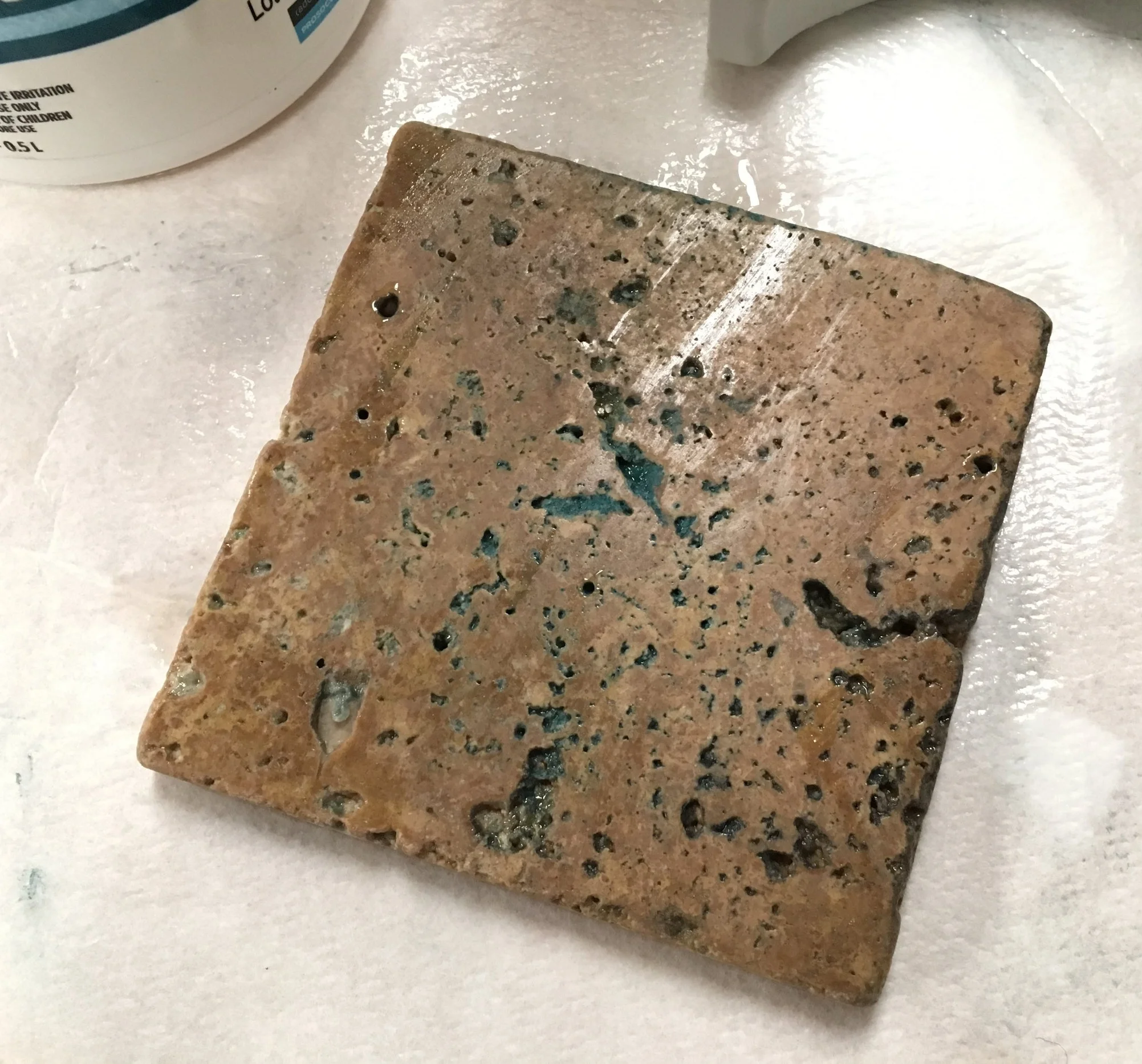
The surface was then washed with plain water, and the results are evident. Notice that this method did not damage the surface of the stone. To remove the paint from the indents, pressure washing can be used, but the pressure should not exceed 1,000 psi for stone. A lower pressure should be used for soft, historic brick. Intentional painting and unintentional graffiti is present in every downtown. While graffiti can visually impact the appearance of the masonry, too much paint covering a building can result in trapped water and physical deterioration. Removing paint can save the stone or brick.
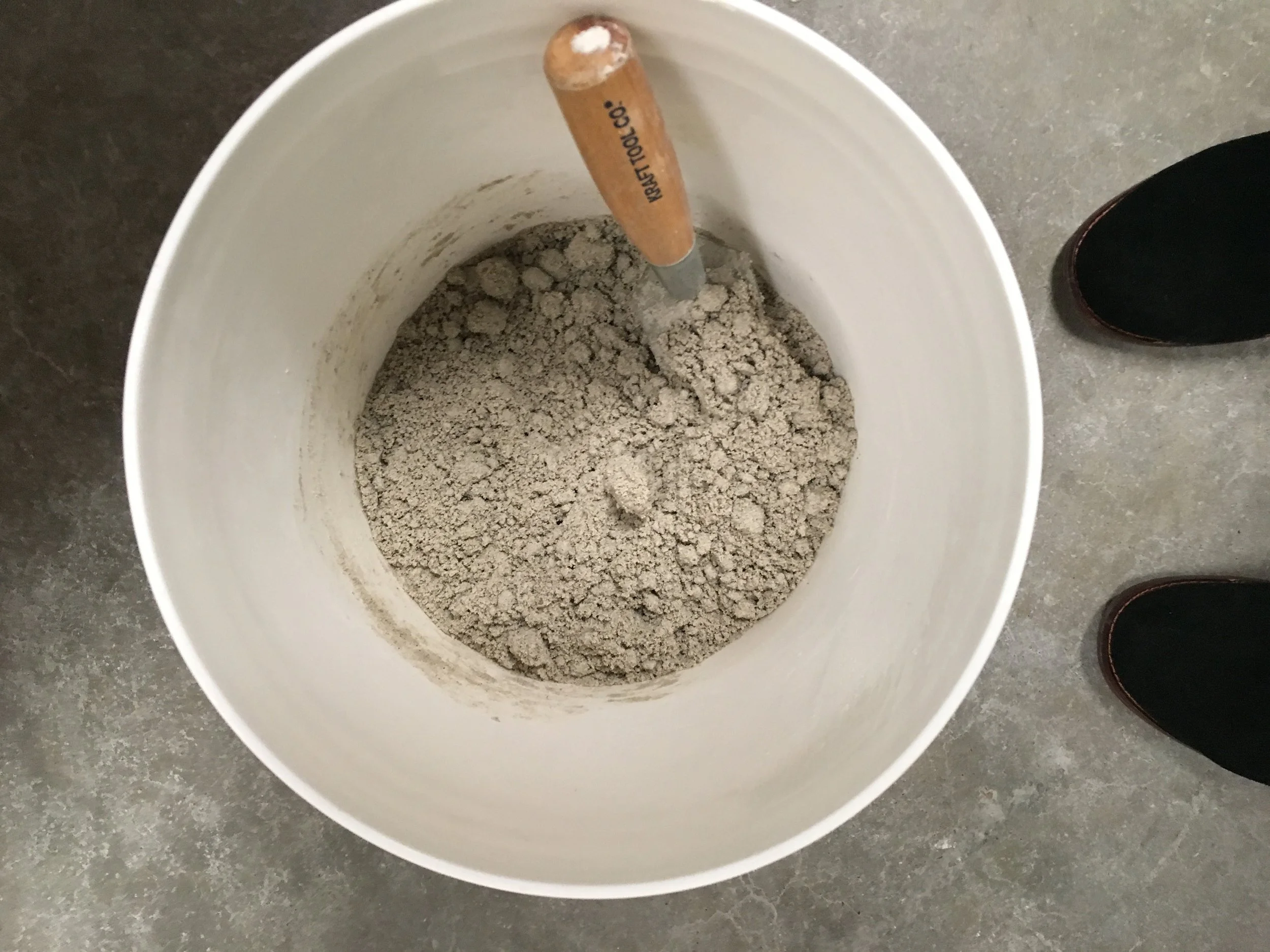
Masonry is also vulnerable to erosion that can lead to cracks, holes, and voids in the unit. Instead of removing the entire piece of material, the hole can be patched with masonry repair mortar. Before the repair takes place, the contractor creates a custom color that matches the existing stone.
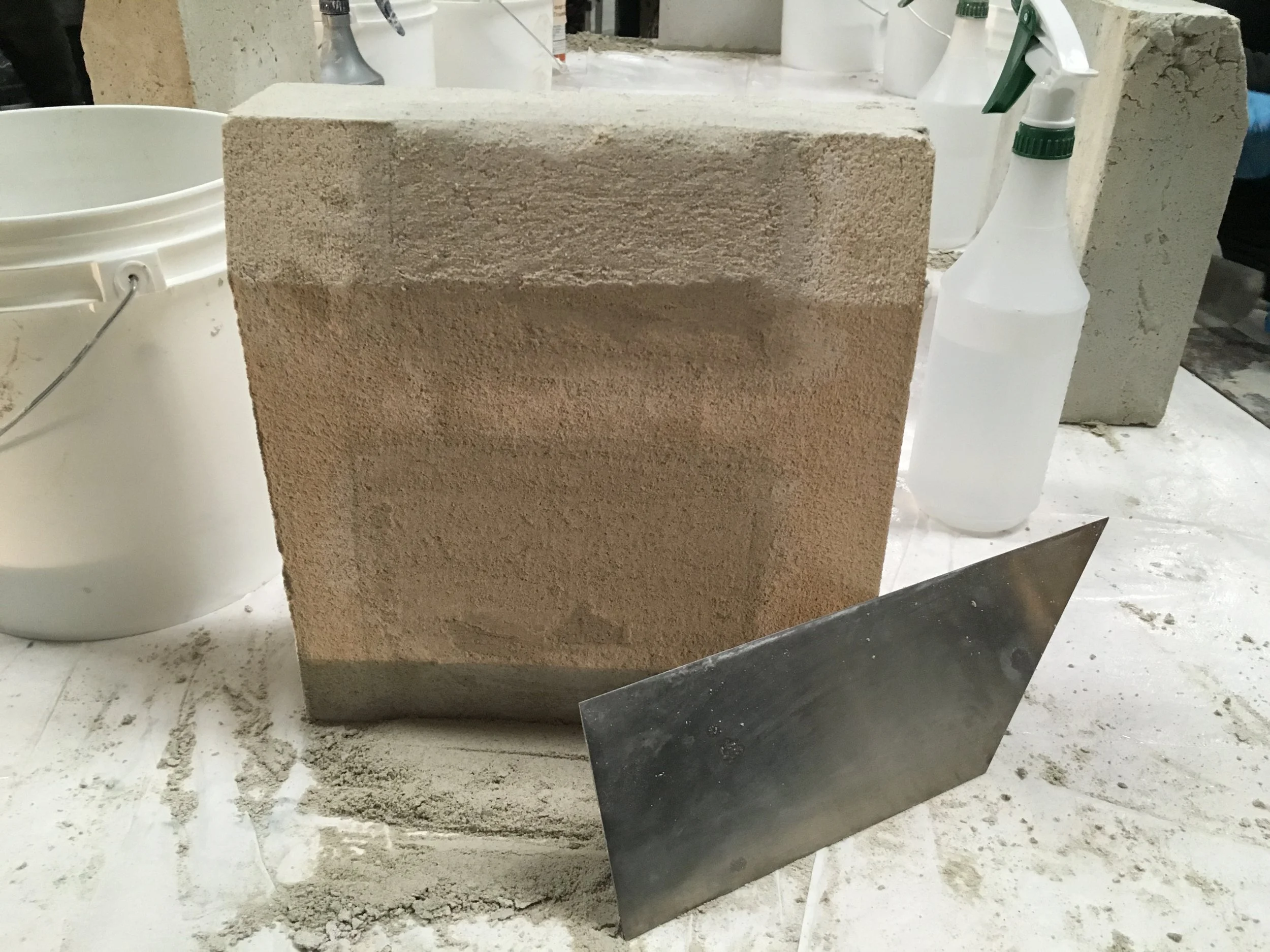
The hole is cleaned and squared off so that the mortar mixture will properly adhere to the masonry.
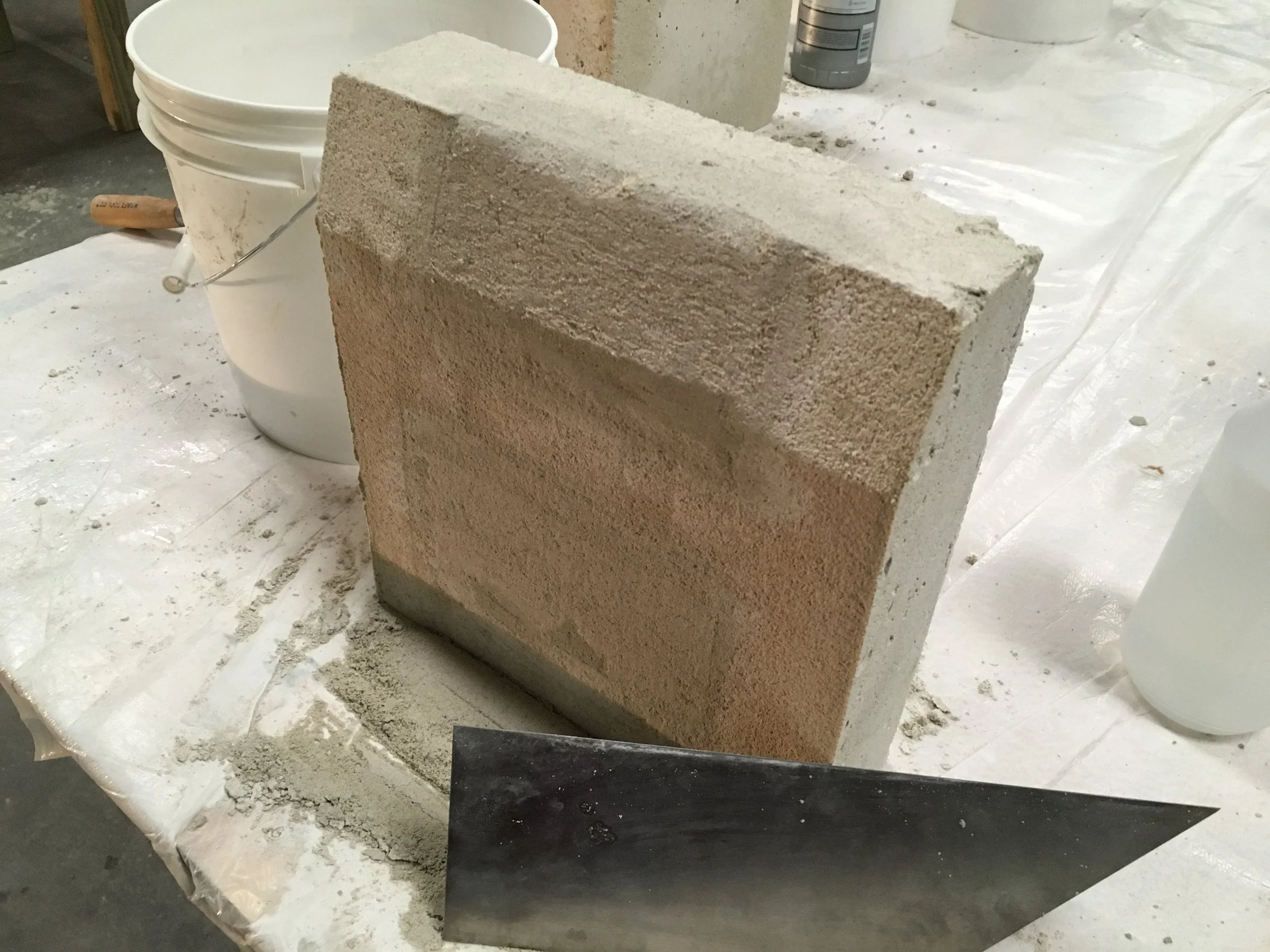
Finally, the mortar mixture is troweled by hand into the space. Once the repair material sets, it is
scraped or carved to match the surface finish of the masonry.
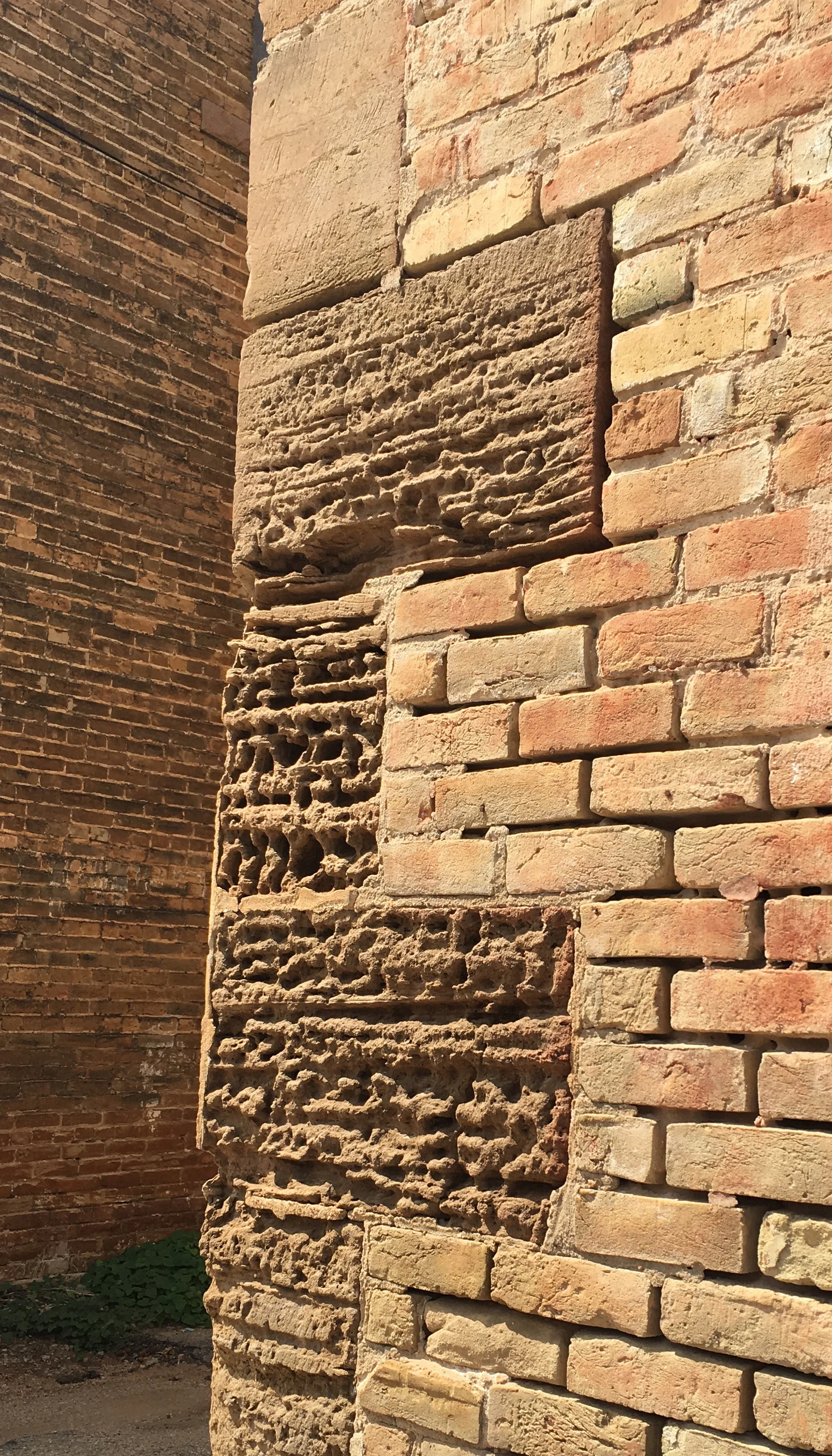
When stone or brick is deteriorated like the building to the left, inappropriate repairs are often used that can damage the building further. Some people will even argue for demolition. Know that repair is possible. All of the repairs described above must be undertaken by a trained professional. It is important that Main Street organizations and property owners alike know that these repairs are possible. Historic buildings must be inspected regularly for signs of deterioration and decay, and repair work should be undertaken immediately to prevent extensive damage.
What can Main Street do?
Beyond protecting the building, upkeep is critical for business success. An attractive, well-maintained building draws in visitors and potential customers. By creating an inviting and appealing storefront, you signal that you take pride in your businesses and your community.
As a Main Street Manager, board member, or volunteer, you can encourage downtown property owners to undertake regular maintenance through educational workshops and resources.
Here are a few ideas:
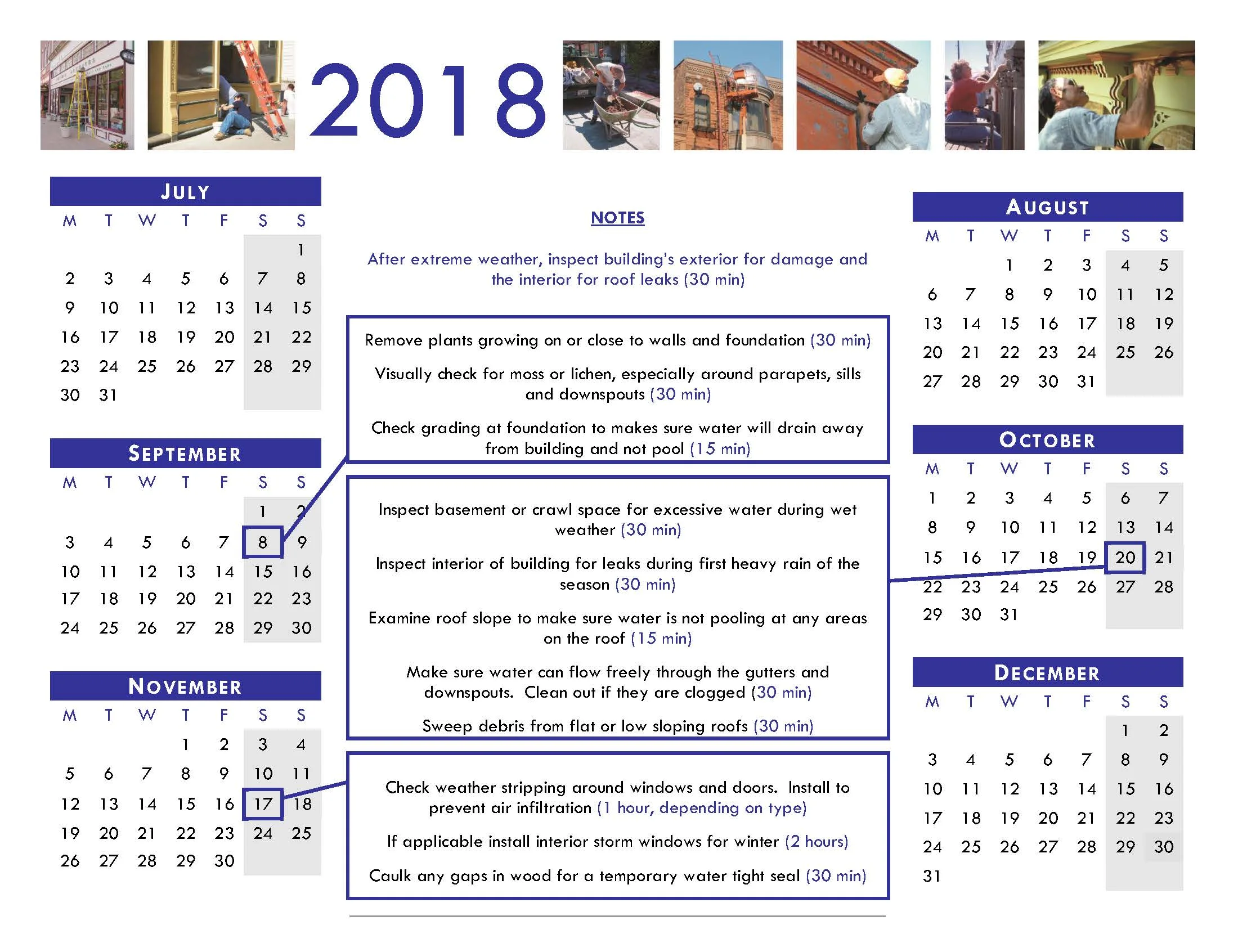
Example of a maintenance calendar. Source: Illinois State Historic Preservation Office - https://www2.illinois.gov/dnrhistoric/
Preserve/Documents/Maintenance%20Schedule%202018.pdf
- Create a maintenance calendar. It is a good idea to set up a building maintenance schedule as a reminder of any inspections or work that needs to be done. It will also help prioritize maintenance, preventing avoidable, costly future repairs. Preservation Brief #47: Maintaining the Exterior of Small and Medium Size Historic Buildings provides checklists and instructions on how to inspect a building - https://www.nps.gov/tps/howto-preserve/briefs/47-maintaining-exteriors.htm
- Host a downtown clean-up day. Offer to walk around individual buildings to look for signs of deterioration and problem areas.
- Promote workshops, webinars, and lectures that discuss how to repair historic buildings materials.
- Pass out Preservation Briefs (https://www.nps.gov/tps/how-to-preserve/briefs.htm) and other instruction documents. The Briefs were created
by the National Park Service for all types of historic building materials. These comprehensive guides outline repair techniques and specify
when these techniques are appropriate to use. Several Main Streets, including Waxahachie (http://www.waxahachie.com/Departments/
HeritagePreservation) and Palestine (http://www.cityofpalestinetx.com/users/OldFiles/upload/Historic%20Property%20Handbookpdf.pdf) provide links to these resources on their website and in their design guidelines. - Create your own Property Maintenance Guide like Denison (http://downtowndevelopment.com/pdf/ratonIncreaseOccupancyMaintenanceGuideDraft.pdf)
- Include maintenance projects as eligible activities in local incentive programs such as roof and foundation repairs, brick repointing, window repair, etc.
- Keep track of craftspeople and contractors that are sensitive to historic buildings and their needs. Maintain a list for future projects.
Remember, most issues can be prevented with maintenance! Every building is going to deteriorate, but stopping decay before it is widespread helps keep the scale and complexity of work manageable for a downtown property owner. Over time, the cost of maintenance is substantially less than the replacement of historic features, and also it involves considerably less disruption for downtown businesses and visitors.
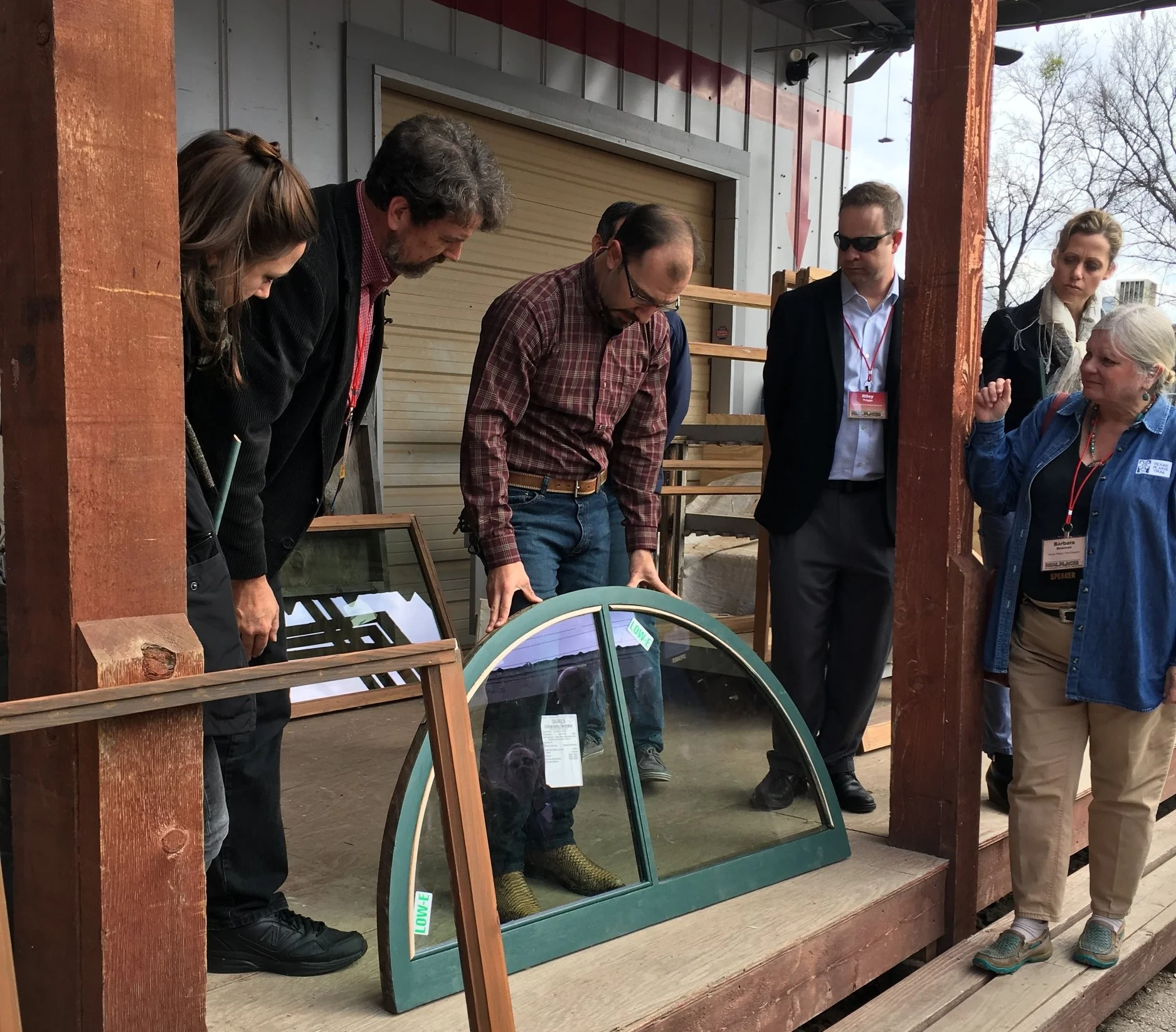
Wood Window Workshop by Red River Restorations at the 2018 Real Places Conference.