
STOREFRONT-ECTOMY: A TREND TO AVOID
March 2014 Main Street Matters
Article written by Sarah Jane Blankenship, Project Design Assistant
Over the last few years the THC's Main Street design staff has experienced an increase in the number of design requests that seek to create covered seating/dining areas by removing historic storefronts on the ground floor level. This approach seldom works out to the benefit of the historic building or historic downtown. It creates an unfortunate gap similar to what you’d experience when there is a vacant lot or when a new infill building is set back too far from the sidewalk edge.
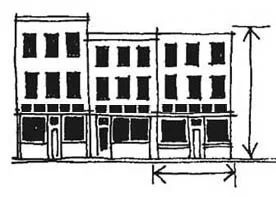
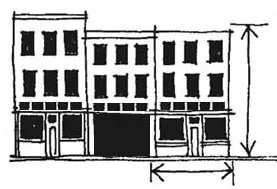
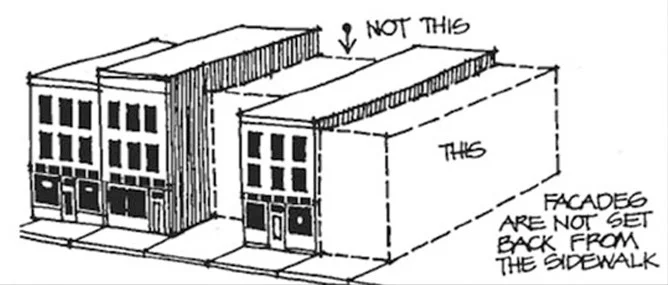
Left: Traditional Streetscape Center: center storefront removed Right: proper location for infill
Yes, the newly hollowed-out space can be gussied up with lighting, banners, business ads, pictures and color so that it doesn't appear like a big black hole, but there is no denying the fact that something important is missing.
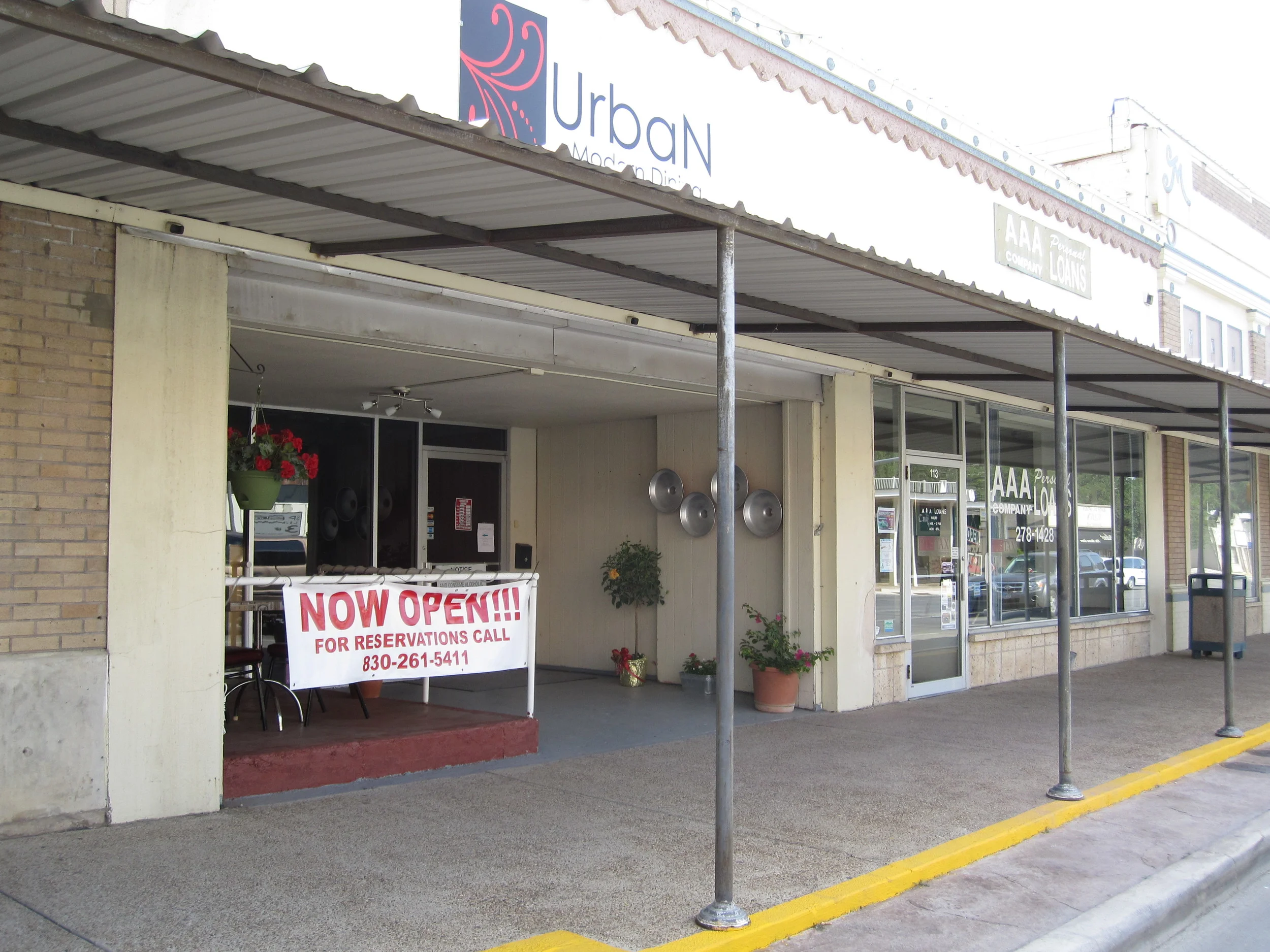
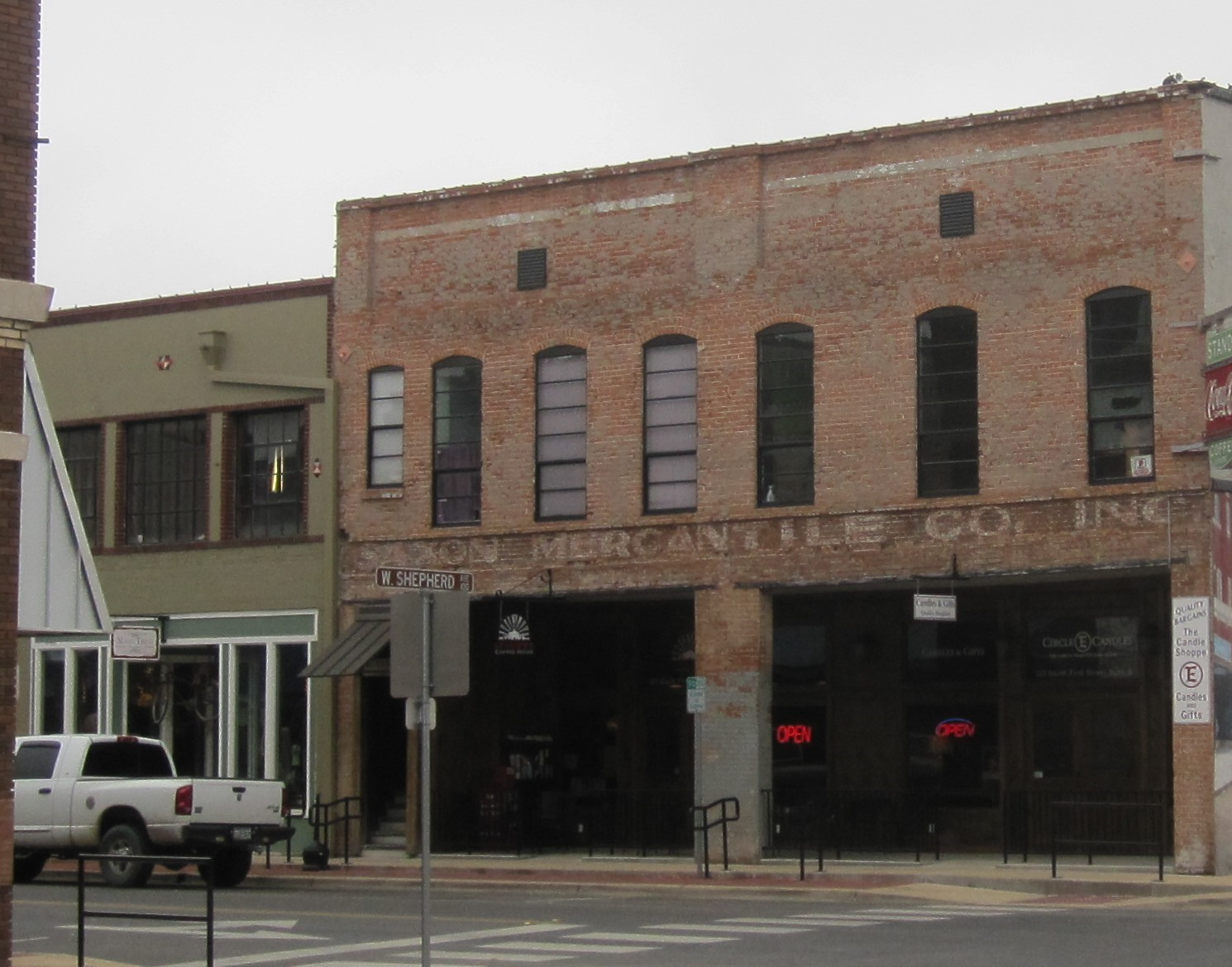
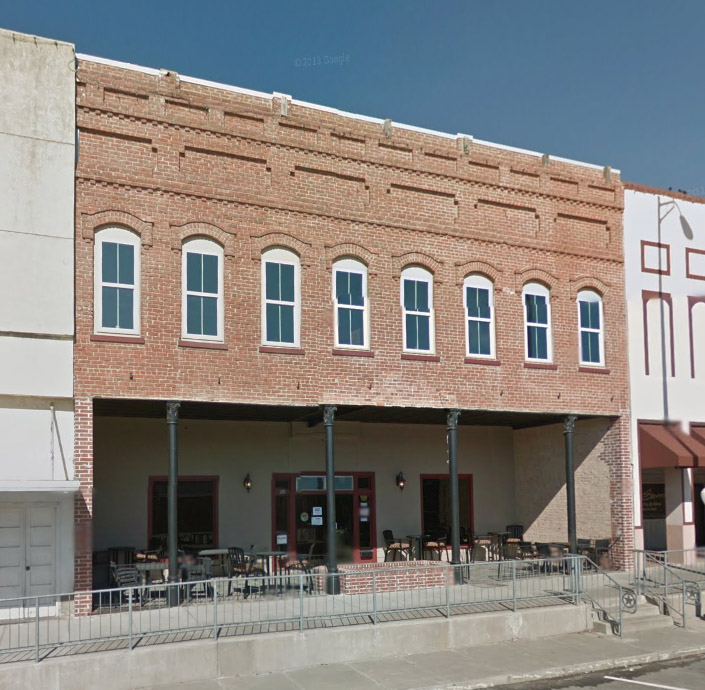
Above: Examples of hollowed-out spaces
It is astonishing to hear people wanting to remove historic elements simply to provide open air lunch or dinner areas. It’s much more prudent to concentrate seating areas to the sidewalk and use traditional means, awning and canopies, to provide shade rather than remove historic materials. Look into creative ways to expand areas for outdoor seating. Could the sidewalk be expanded? Could portions of the parking lane be used for outdoor seating? “Parklets” are becoming more popular in many cities as pedestrian-friendliness is valued over an auto-dominance. In the example from Milwaukee seen in an image below, three car spaces were removed and a decking system was installed that added 14 outdoor tables. These efforts have resulted in a wonderful downtown ambience. Likewise in Austin, (photo below -right side), two parking spaces have been removed for a parklet. Changes like these can be temporary or permanent. There are many “better street” resources out there, some of which have already been discussed on the Main Street listserv that can save our historic storefronts. Here a just a few:
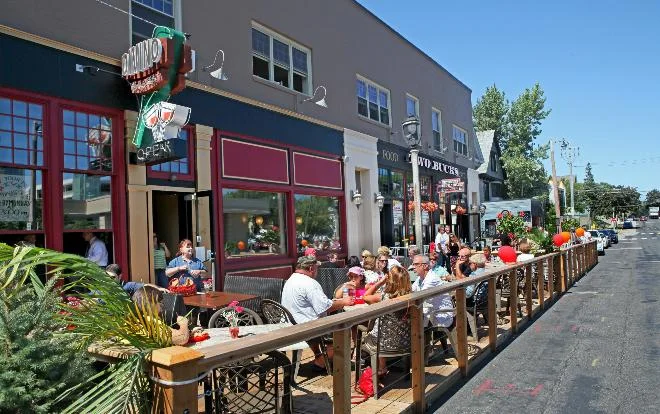
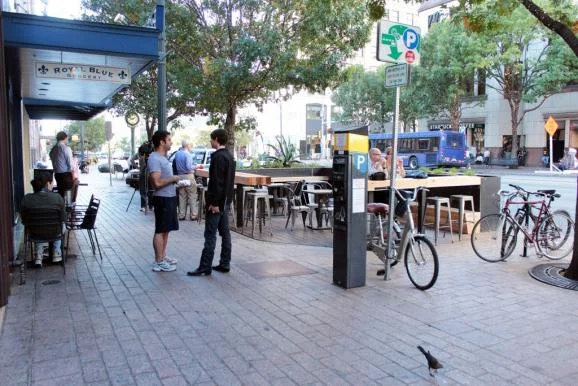
Above: Examples of Parklets
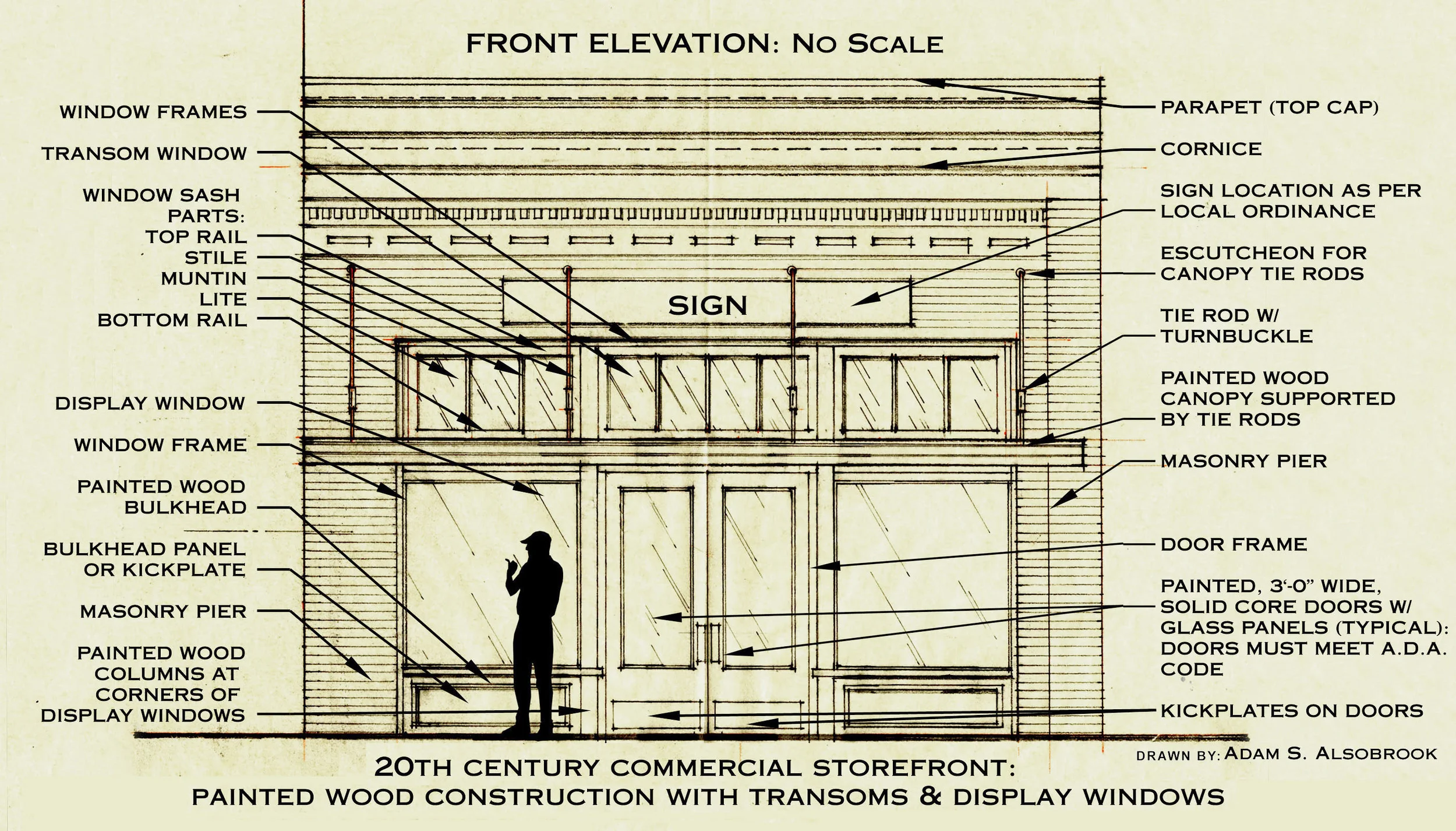
Remember, respecting the traditional building design is important; the raised bulkhead, entry doors, transom windows and columns.
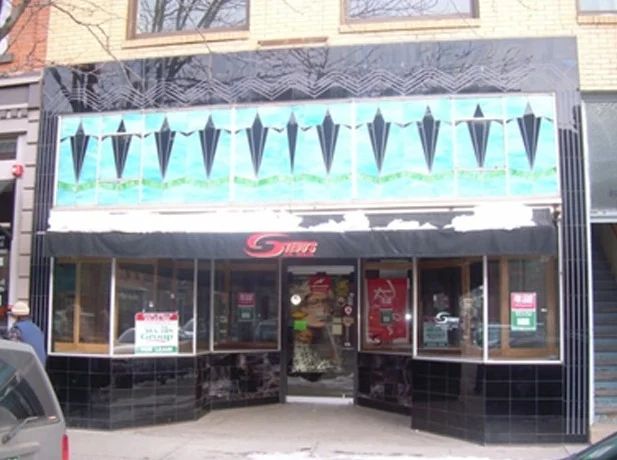
Decorative Pigmented Structural Glass, Durango, CO
You might ask, “What can be done if the historic storefront is gone?” First of all, assess the current storefront appearance and determine if it is still maintains its historic integrity. For example, pigmented structural glass is a “new” material that was used to modernize storefronts but today a storefront with pigmented structural glass might meet the general historic rule of 50 years or older and therefore should be retained in accordance with Secretary of the Interiors Standards #4: Changes to a property that have acquired historic significance in their own right will be retained and preserved. This will be easier to accomplish for cities with good design guidelines and ordinances.
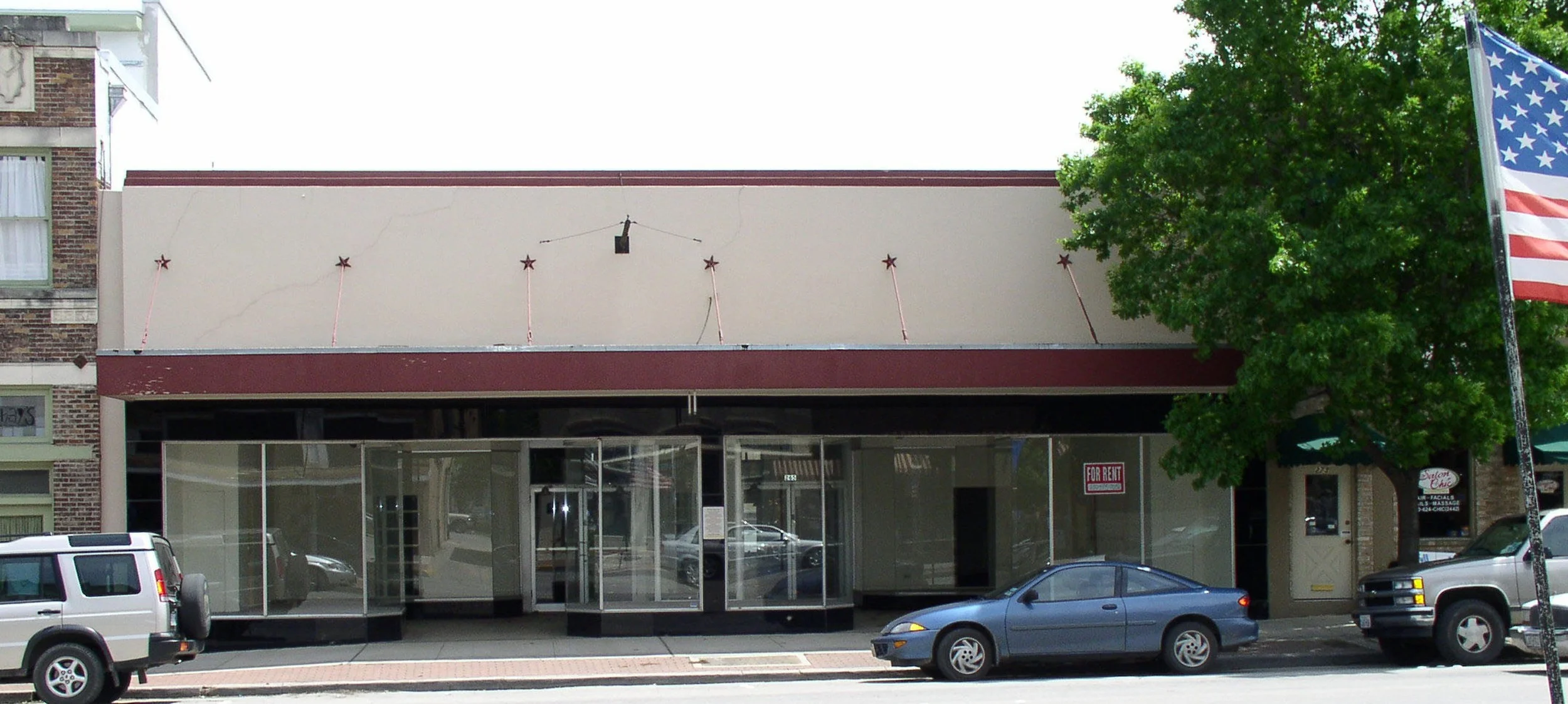
Below is an example of a building that was modified. The existing building, below left, had pigmented structural glass with a window display layout common of the early to mid-20th century. Though the building is rather plain in its current appearance, rather than discarding the storefront completely, a lot can be done with signage and window displays to really accent the space. Instead the storefront was removed, below right, leaving a hollowed out dark space.
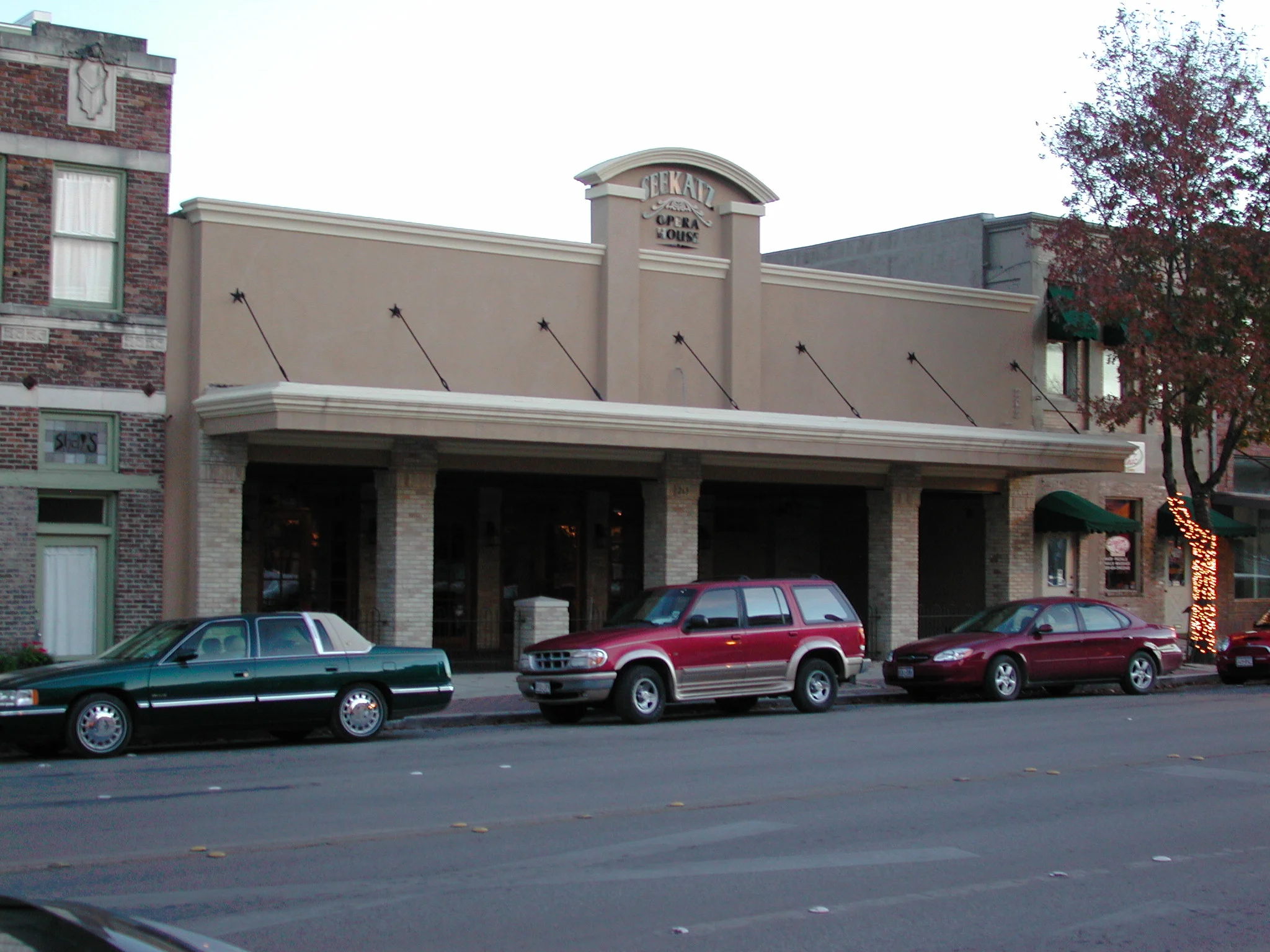
When dealing with a storefront that has less merit more freedom can come into play. This is when it becomes important to recall the simple principles of a traditional storefront in your proposed design and avoid creating a large, dark void. For example, more modern windows such as these folding windows (right) can be used and completely opened but the bulkhead, transom windows and awning are still incorporated.
It is always best to save what is historic and, when necessary, develop creative ways to incorporate new uses into existing situations. This final photo (below) is a great example where traditional looking doors and columns have been incorporated. They are left open to allow the outside in. A simple railing is added on the interior to provide an amount of enclosure and security.
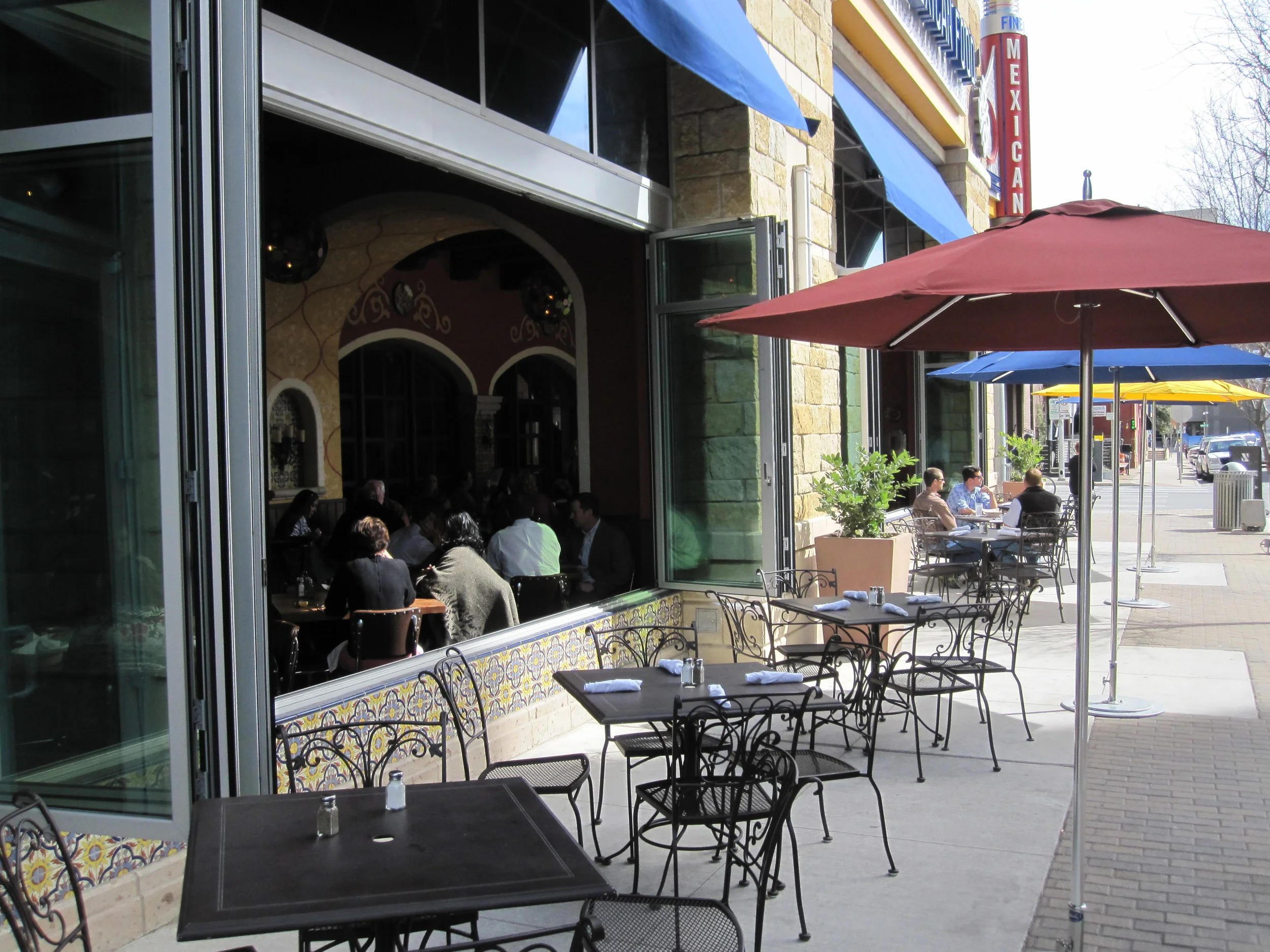
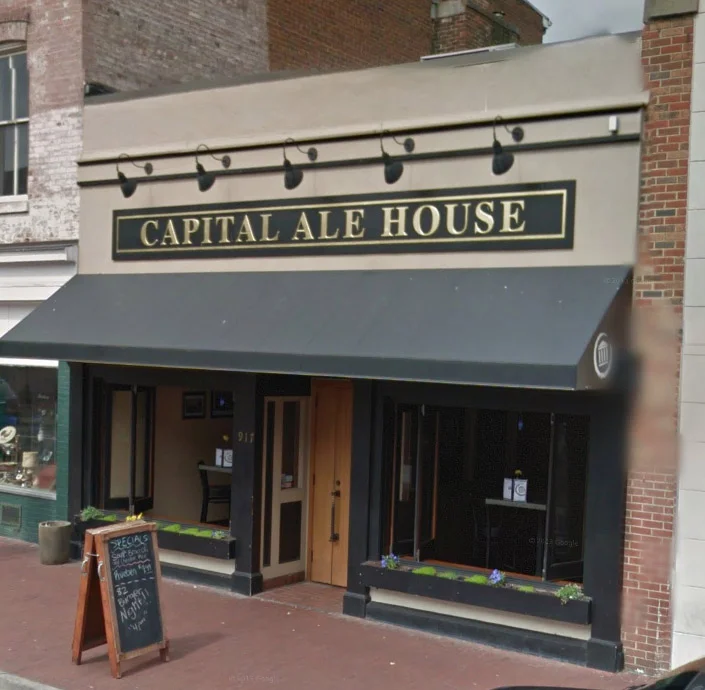
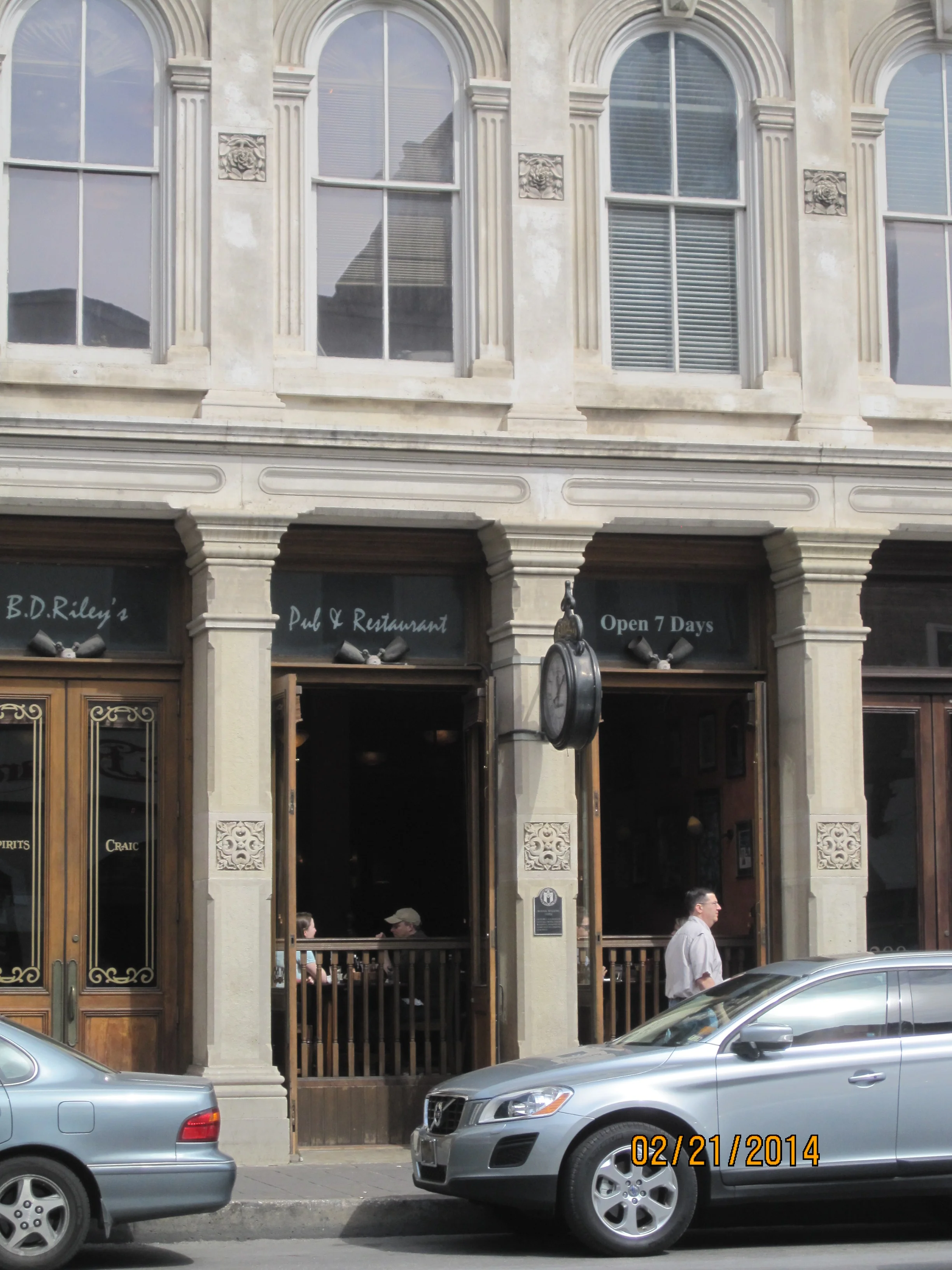
Left: Austin, Texas Center: Fredericksburg, VA Right: Austin, Texas