
Managers and Merchants: How to Build a Positive Mindset!
Excerpted from The Secret Weapon for Main Street Vibrancy January 2019 Main Street Matters by Judy and Len Lester, Owners of the award-winning and highly profitable Escape Fine Crafts & Gifts in Georgetown
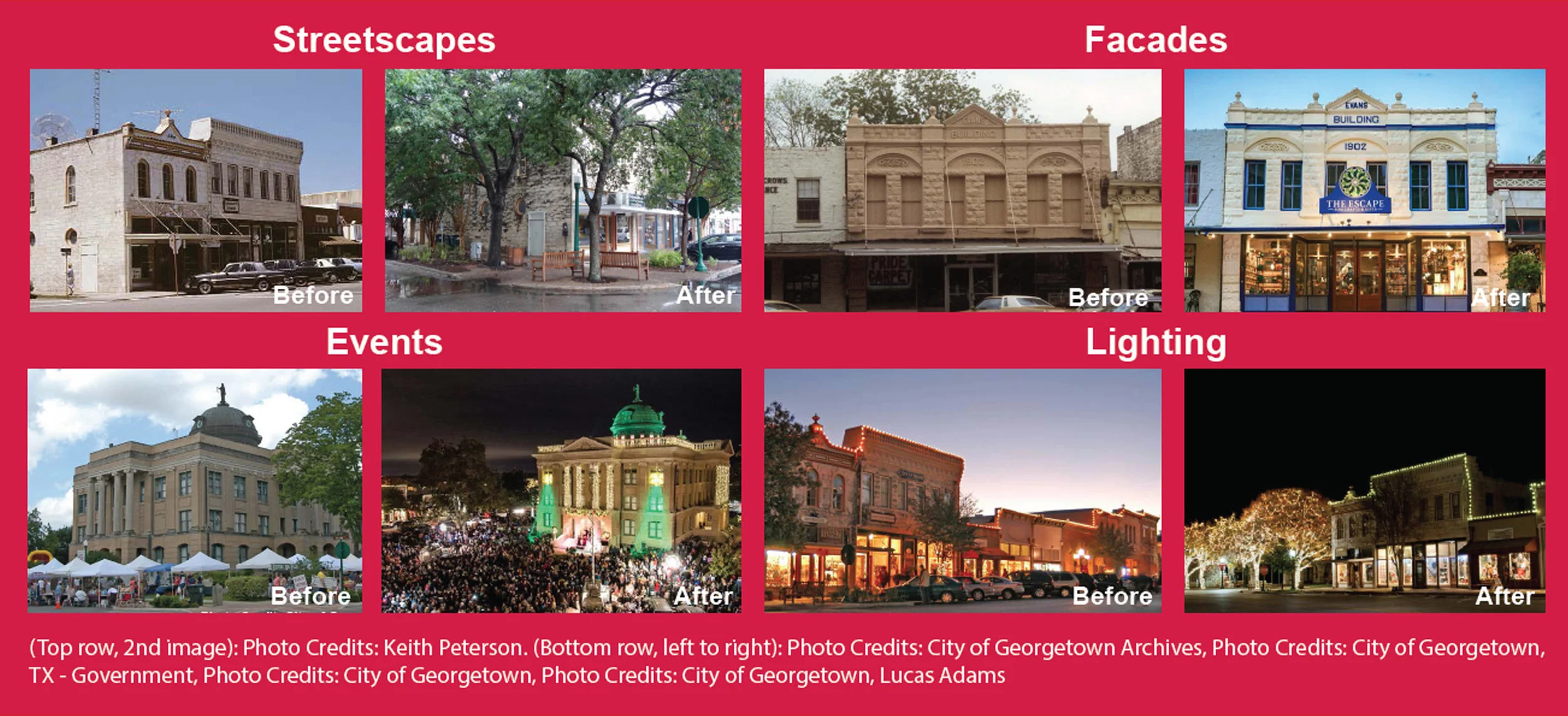
In 1996, my husband and I sat in a mostly vacant downtown, street parking filled with government employees, and decided a 450 sq. ft. space on a corner would be a great place to start a retail store. We opened the doors after five months of preparation and expected people to come flooding in announcing, “Hooray! I am so excited that you are open!” There were a few of those, but we also had many tell us, “you will never make it.” There were many zero revenue days. We were surprised by the initial lack of instant support. On top of that came the realization of the other typical hindrances you hear today: events that hurt traffic; new businesses cannibalizing product; lack of collaboration among merchants, etc. .
We considered throwing up our hands and closing our doors. Instead, we chose to enact a proactive, confident, and determined mindset. That mindset IS the secret weapon of Main Street. Armed with a proactive mindset, we steadily grew our Main Street business for more than 20 years until we sold it for a substantial profit. We focused our energy on what we could control, not on what we couldn’t. We planned for the worst and prepared for the best. Our continuous focus on how we could take the business to new levels each year certainly paid off. This mindset is not the norm, and the good news is it is not far from reach.
We have outlined some tips below to help you begin a little shift in conversations that might help build a more positive mindset with your merchants.
Remember that as an owner, it is normal and even protective to find reasons to blame the lack of instant success. After all, they have just created their dream. They love what they created. They wonder why it isn’t an overnight success and look anywhere to lay the blame.
That is where you, the Main Street manager, come in. You innocently stop by to see how things are going and then instantly wish you had put on your protective gear and grabbed your fire hose before you walked through the door of that business. There’s nodoubt that you truly desire to help. The question is, “how?” Follow these proven steps to diffuse the frustration and begin the mindset turnaround. Let’s play with this complaint. “What is the city going to do about parking?” Feel free to insert any common issue.
Listen and validate. The goal is to make the owner feel heard and know you care. This technique usually tames anger and allows the mind to shift to new ideas. Here’s an example script: “Tell me all about what bothers you concerning our current parking situation.” Listen. Then validate. “It sounds like a real struggle for you and your customers. I hear many difficulties with this very issue. Like you, I wish there were a quick, easy fix.”
Build trust. The goals are to make the owner feel like you really care. “I appreciate your thoughts and openness to share with me. As much as I wish I could, I am unable to fix this situation at the moment. Know I will add your vote toward exploring options to our next discussion on the topic. I see you are passionate about this. If you have ideas for possible solutions, please put them down in writing and send them to me. I will make sure they are considered in our ongoing discussions.”
Be clear. It is natural to panic and to get wordy as you try to respond. State clearly what you hear the owner saying, comment on what, if anything, can be done at that moment, then shift the focus to what he can do. “While we wait on the solutions that might improve the situation in the mid and long-term, what are some possible things you can do to draw in patrons in spite of the parking? What other creative ways can you serve them to make it worth the extra effort?” If he says consumers shouldn’t have to make the extra effort, validate that would be the ideal, and the reality is that visitors really do have to want to visit. To get him thinking that way, it might help to say, “Think about a time when you had to park somewhere inconvenient to shop or dine but you did it anyway. What was the driving factor to make the effort? What kind of compelling reasons could you create for your patrons?”
Point to success for all. Plant a seed that sharing ideas is a great way to overcome a difficulty. “Would you consider chatting with your neighbor about how you might work together to incentivize patrons who make an effort to walk the extra block to get to your stores? This might be a real opportunity to make a unified effort toward the value of shopping on this side of the street.” Whatever the response, acknowledge that you heard what she/he was saying, validate the feeling conveyed, and offer a slight re-direct toward what she/he can control.
Show Gratitude. Appreciation always feels good and helps shift feelings. By offering sincere thanks, you create value in the relationship. “Thank you for your desire to see downtown prosper. We both know that more parking is one thing that will support that goal. I am grateful you are willing to consider all you can do to work around the lack of parking until we enact a plan.”
Be proactive. Be mindful of hot topics. Try to be out in front of the complaints by creating short-term solutions. Communicate that you are working on solutions. “I am working on some ideas for marketing that will educate patrons on where to park during peak times. Watch for news about that soon.”
In summary, when blame is laid on anything other than self, it is usually a way to defer responsibility. As you become more adept at validating that the stakeholder’s feelings are normal and shared while ushering her/him back to what she can do that is within her/his control, the sooner you can turn down the nozzle on your fireman’s hose and step into businesses full of customers and cash. That is true vibrancy.