Article written by Brian O’Connor, Economic Development Specialist, Texas Main Street Program/Courthouse Square Initiative
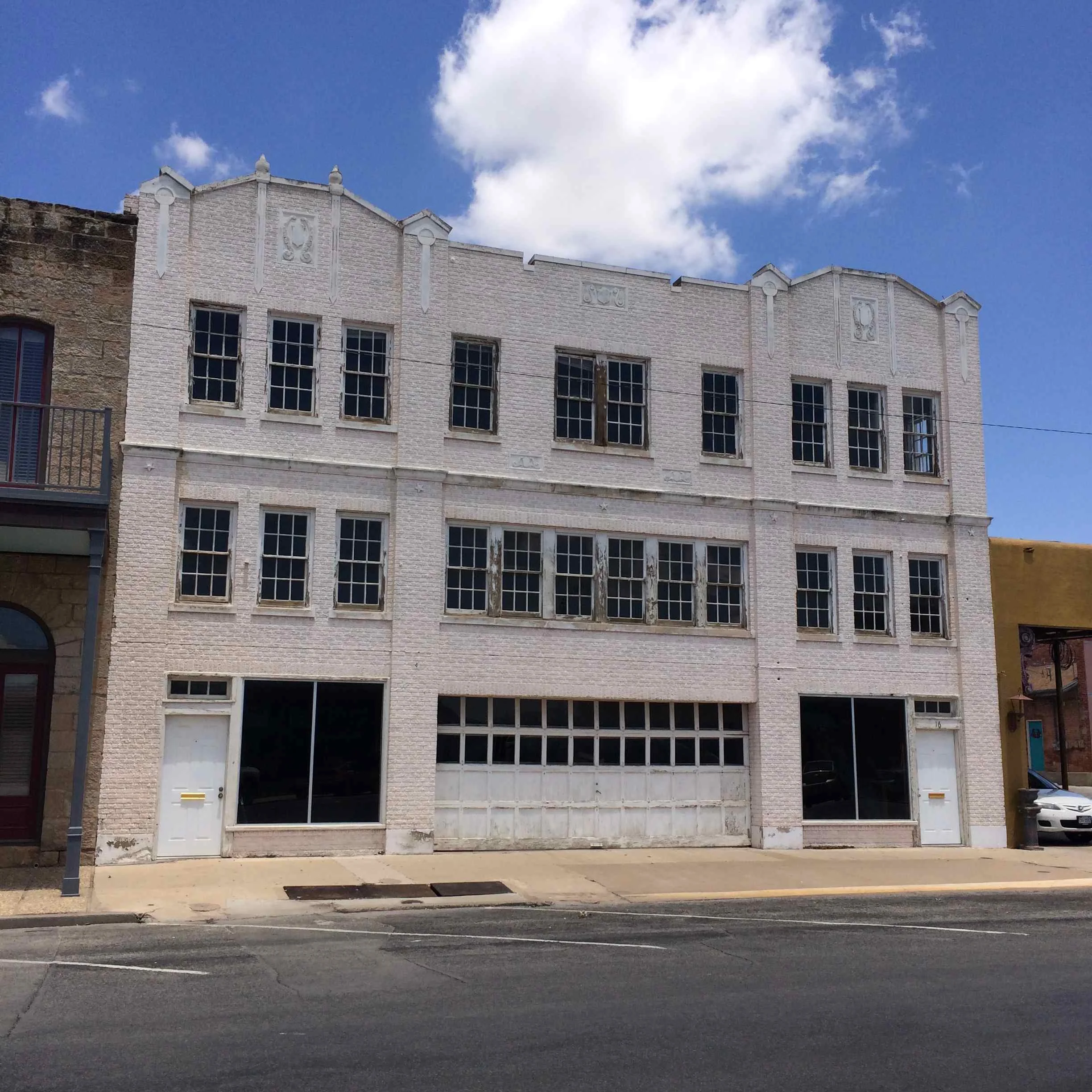
San Angelo vacant building. Commercial properties remain vacant for a variety of reasons.
The Realtor’s™ mantra of location, location, location, rings true as the single most determining factor of value for commercial real estate. A vacant commercial property in Buffalo, for instance, may remain abandoned for years, while a similar property in San Francisco may quickly attract an investor. In some areas, there may be little or no market demand for a commercial property in any condition, and in others, there may be demand, but not at levels sufficient to motivate developers to restore a vacant property. However, through a better understanding of local market conditions, gap financing tools and a strategic plan, it is possible to create a more favorable environment for downtown commercial development.
Commercial properties become vacant as people and businesses relocate, but they remain vacant for various reasons. Some vacant properties remain vacant as a result of court proceedings, estate settlements, or are passed on to new, uninterested, or incapable heirs. Often properties remain vacant because their market value is too low to justify the cost to make them habitable. Whatever the reason, the longer properties
sit vacant,the more expensive they become to rehabilitate and the more they lower surrounding property values. Once decline starts, it can spread steadily and reinforce itself. Therefore, municipalities should take it as an early warning sign when a property owner loses rent paying tenants or avoids fixing up a deteriorating building. As the financial losses to maintain the property exceed the benefits, abandoning the property may appear to be the only reasonable alternative for the owner. It is at this time that local officials must ask themselves how they can make it less expensive and more expedient for owners to rehabilitate existing buildings.
Since the property owner is legally responsible for keeping the property to city code, contacting the owner should be a first step toward determining the owner’s intentions and helping the owner place the property back into active reuse. However, many municipalities do
not have the necessary systems in place to track vacant properties, so data collection and organization is a crucial initial step. Creating a centralized information depository on a property’s ownership, location, condition, and type will be needed in order for the municipality to address
conditions at the property.
However, property data without a strategy is insufficient to generate lasting change, which is why some municipalities have started commercial revitalization programs. The lead organization Main Street, Economic Development Corporation (EDC), Community Development Corporation (CDC), and city hall can coordinate stakeholders toward a common vision for a district using programming such as storefront improvements, real estate development, crime prevention, business support, business attraction, community festivals, marketing, and streetscape improvements.
These programs are essential as property owners often lack the knowledge to compare costs and potential returns from a property investment, how to rehabilitate a building, how to finance the rehabilitation, how to locate reliable contractors, or how to attract quality tenants. While incentivizing property owners to reuse vacant properties is typically the best option, it can be difficult, especially in weak market areas where the return on investment may not be immediately apparent. Although some owners may have a plan to reuse properties, many do not.
Fortunately, Main Street and EDC staff may provide the technical support and knowledge of public incentives to allow owners to see the
full cost and market potential for their property. Matching information and resources with property owner needs can be an effective strategy for the
rehabilitation of individual properties. However, since the cost of redeveloping commercial properties can be prohibitively high, creative financing
sources are necessary to encourage owner participation, especially in weaker markets. If possible, sources of capital must be made available from
both the private and public sector, as the best opportunities for success will come from layering multiple sources of revenue from both sectors. Committing public funding sources to the redevelopment of vacant commercial property may improve access to conventional loan capital.
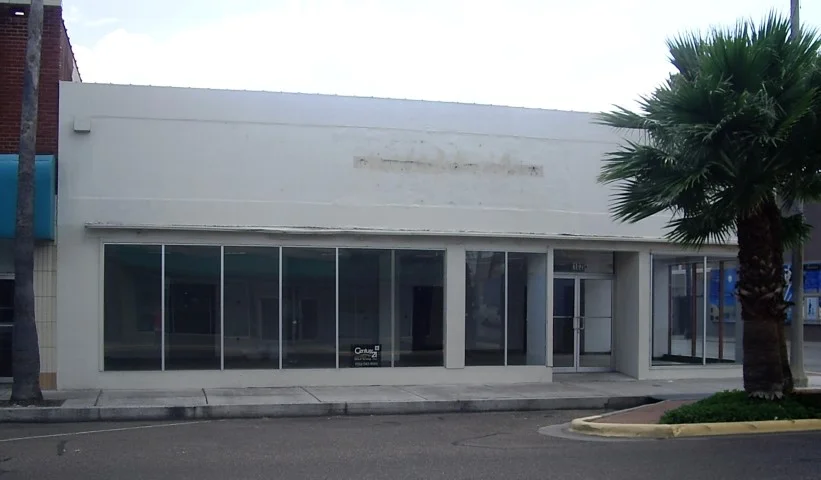
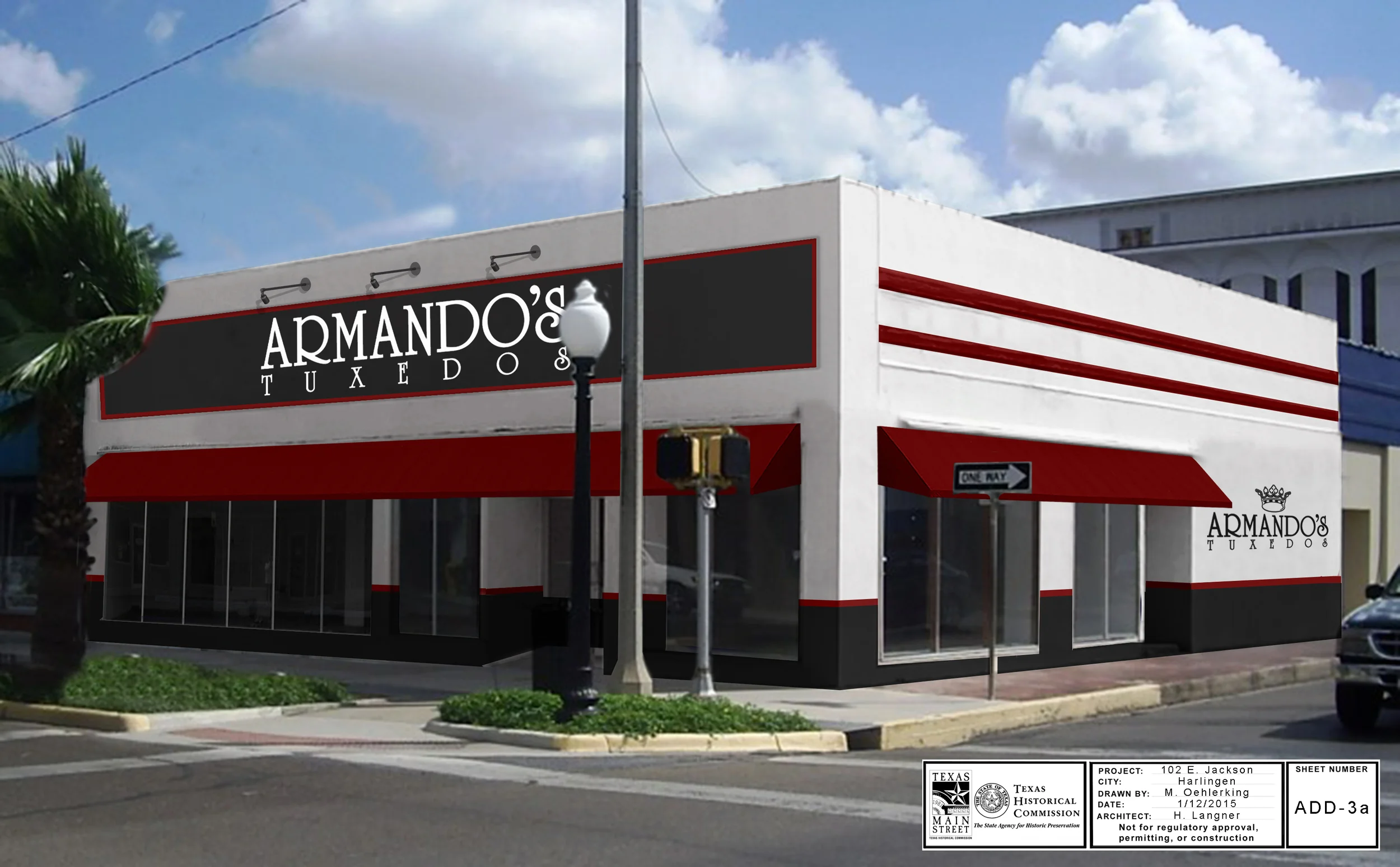
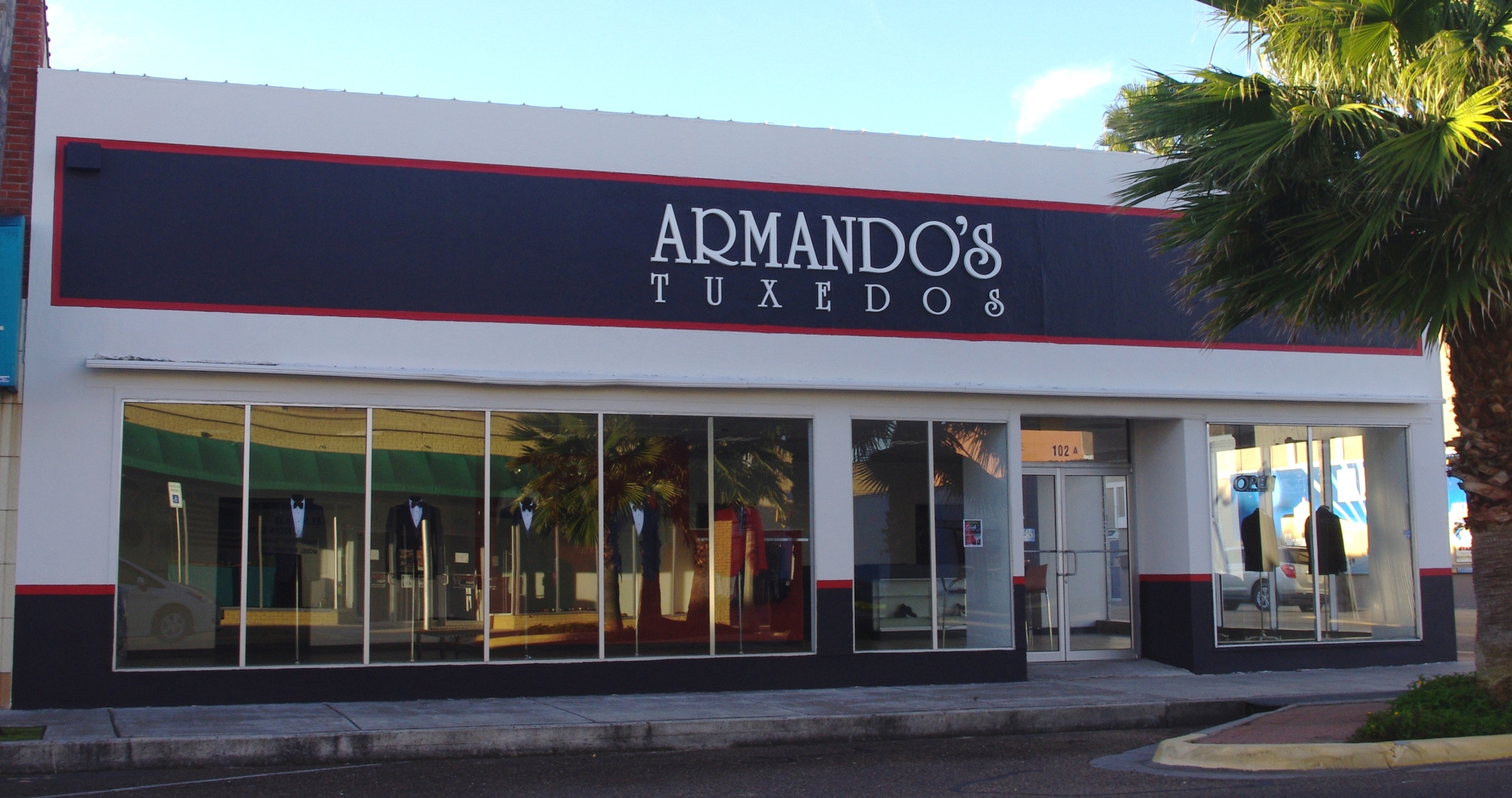
In Harlingen, a small incentive and the market potential helped bring a 40-year-old business downtown to fill a prominent corner that had been vacant several years. Armando’s Tuxedos originally opened in the 1970s with stores in Brownsville and Weslaco. The Texas Main Street design staff helped the owners visualize options for the Harlingen building.
In weak markets, developers increasingly look to the public sector for incentives. The public sector has an array of economic tools to fill gaps
in projects where the private sector considers it too risky to invest. Assisting property owners in accessing capital is one of the best ways the public
sector can support neighborhood stabilization in weak markets area.
Municipalities can utilize overlay districts to provide funding for vacant property redevelopment in targeted districts. Sources of public financing can lower the overall cost of redevelopment and keep historic commercial properties competitive with new construction. Local governments have several economic development tools at their disposal (tax increment financing, tax abatement, economic development corporations, and enterprise zones) to incentivize commercial property redevelopment and reuse.
Additionally, the local government can leverage an owner’s resources by improving access to project equity through the use of federal and state
tax credits for historic preservation, affordable housing, and for low income communities.
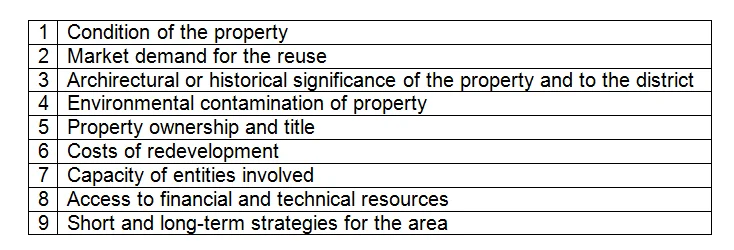
Property assessment checklist should be completed to obtain an understanding of the building’s potential amid market conditions.
It is important to remember with the flip side of vacant properties: for that under the right circumstances, they can be used to advance the renewal of the neighborhoods to whose decline they contributed. When older structures outlive their uses, they can often be converted for new ones through the process of adaptive reuse. Adaptive reuse refers to adapting old structures for new purposes. Commercial buildings are best repurposed in ways that leverage the existing assets of the structure and its surrounding area.
However, choosing a reuse that matches a structure’s location, size, and condition is not always easy. Therefore, Main Street or EDC staff should consider developing a property assessment checklist for review with the property owner to determine the property’s reuse potential.
To complete the property assessment checklist (see top image on the right), Main Street staff should collaborate with local contractors, realtors, building officials, zoning administrators, and bankers to obtain an understanding of the building’s potential amid market conditions. The information collected will allow staff to explore various redevelopment strategies for the property including:
- Renovation
- Adaptive reuse
- Conversion to mixed-use
Building on an existing network of community connections, local government can function as a strategic ally for vacant commercial property owners.
Resources and Further Reading
National Vacant Properties Campaign
http://www.vacantproperties.org/ index.html
International City/County Management Association (ICMA)
http://icma.org/main/topic.asp?tpid=17&stid=93&hsid=1