Kerrville
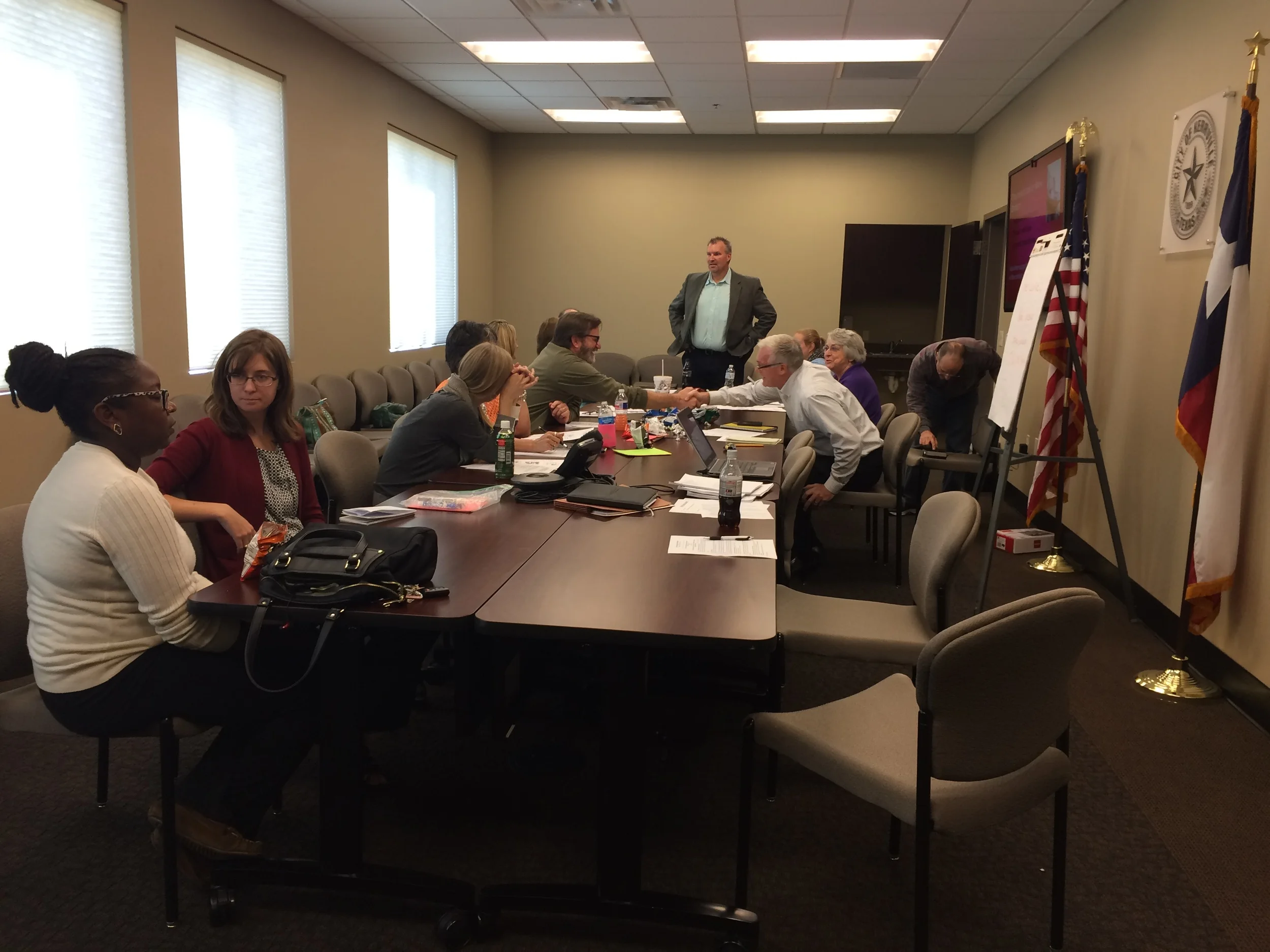
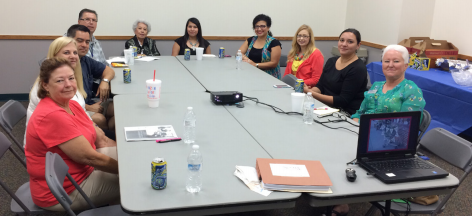
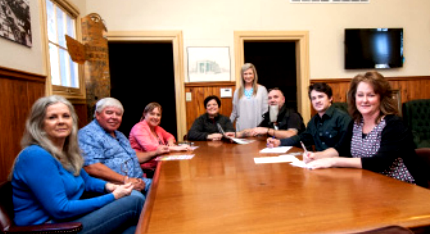
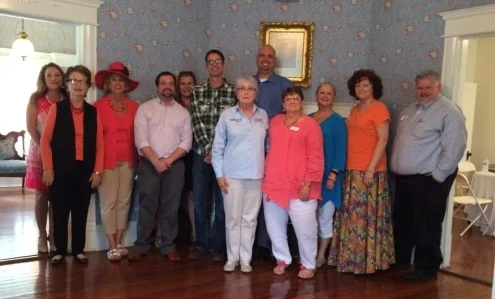
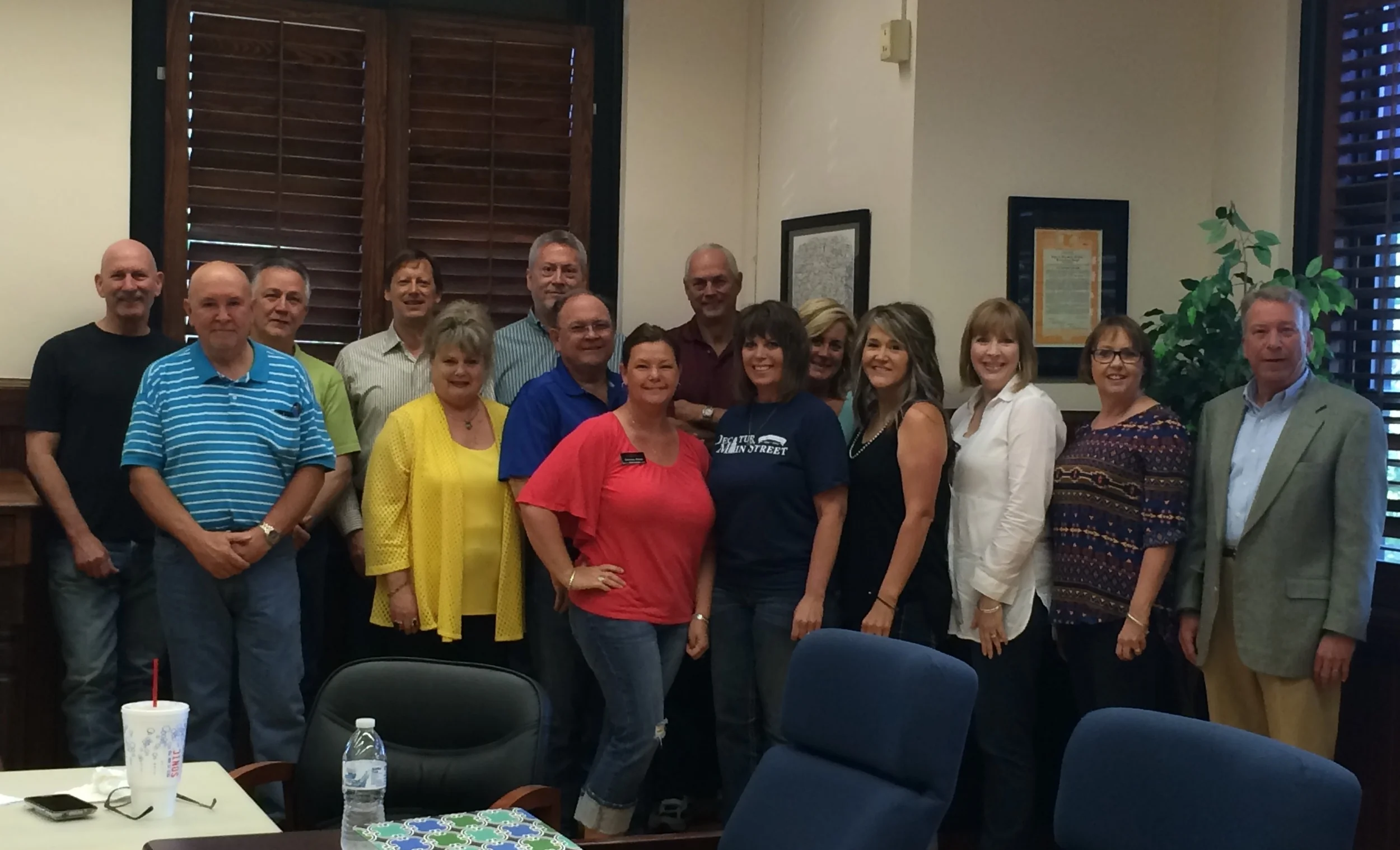
A while back, in looking ahead to a busytraining schedule in the summer and early fall, I decided to do a very casual survey of Main Street volunteers attending my 101 sessions and get their thoughts on a few issues. What do you think are your program's greatest accomplishments? What are the chronic struggles you've seen your downtown face? How do you view your role as a volunteer? The training schedule allowed me to be in a variety of Main Street communities, from the relatively new to those involved for decades. Not everyone wanted to provide opinions (and that was OK), but about half did. I got more than 50 people responding from about 10 different Main Street programs. I wondered if Main Street volunteers -- more removed from the day to day of running a Main Street program than a manager is -- would have similar answers to those we got when we've asked managers those kinds of questions in past surveys. (See last year’s annual report in Main Street Matters, pages 5-6 for your answers.)
In a nutshell, here's what I learned from the volunteers. It was good information and I'm glad I got it, but it also made me wonder about a whole lot of other things.... Isn't that always the case?
Beeville
Corsicana
Volunteers generally saw things like property improvements and downtown events as the greatest accomplishments. That's not surprising since those are the most visual and active things. But it also made me wonder if there's some 'under-told' stories -- are people just as aware of less 'glamorous' or visual successes a Main Street program has that add so greatly to the big picture? Like the efforts of volunteers? Do they realize how important they are and how critical their leadership is to the program's success? (That's why we started spotlighting volunteers in all of the issues of Main Street Matters this year.) Has enough been done to help nurture and develop Main Street leaders (You'll hear more about this in 2016 with a new leadership initiative we are planning to implement. More on that later.) A few volunteers mentioned 'how far we've come compared to what our downtown used to look like' as a stand-out accomplishment. Certainly that should be a great source of pride, but how widely is that story being told? We have had an unusually high number of programs this year in various states of transition, and some have seen their funding drastically slashed recently, so it made me wonder if the before/after story is being told as widely as perhaps it should. Are local elected policy makers and administrators hearing it enough? Do they understand the economic value of the historic downtown and how important Main Street is in that scenario?
The volunteers queried also seem to understand the importance of the volunteer role in Main Street as evidenced by some responses to the question: "What do you see as your role as a Main Street volunteer?":
Marshall
"I contribute to the growth of my downtown."
"My 'yes' attitude is very important."
"I contribute my knowledge"
"I can contribute to the downtown ambiance."
"I need to help the community be open to new ideas."
"I need to make sure my program is organized and performs."
"I need to be a faithful worker bee."
"Don't give up!"
"I should be helping create new events and interests for residents and visitors -- reasons to come downtown, creating a destination."
"I need to help ensure teamwork."
"The best thing I can contribute is my time and world experience."
"Support and help the manager."
"My role is to promote our historic downtown and encourage all generations to be involved in growing our town; to be available as often as I can and willing to work on common goals and objectives."
"Volunteers should be in charge of setting the standard."
"As a volunteer, I should educate folks about Main Street. Including building and business owners, asking others to volunteer."
"Help good choices be made for downtown."
"As a property owner and a Main Street volunteer, I should be providing more input on my struggles and the opportunities I think there are for downtown."
Those are great answers that show they understand that for local programs to be successful, volunteers are critical, and they are ready to step up. At the same time, the generalities of the answers made me think that perhaps they know they can play a role and are willing to do it, but they just aren't sure exactly how to go about it. I think that the new nationwide Main Street "refresh" process will help this because it guides programs to work toward very specifically defined end goals. More on that in a related blog and in the information you've no doubt seen on the national website. (Is it perhaps also true that many managers neglect to regularly reach out and ask for help from your volunteers? You just do it all yourselves and make it look so easy that volunteers don't realize you need them!)
Lastly, when I asked them about the chronic struggles they've seen their downtowns (or the Main Street program) face, I got pretty much the same answers we got from managers last year when a similar question was asked in our year-end survey:
- vacancies,
- neglected properties/owners who don't do anything
- irregular store hours
- time constraints that keep people from being involved
- not a varied enough business mix
- attracting sustainable, profitable businesses to downtown
- not enough communication with partners, too much overlapping work
- finding the right kinds of businesses for our downtown
- funding, never enough money to make a really big difference
Caldwell
Decatur
You may remember that our focus at the Nacogdoches professional development last February focused on the vacancy issue in response to your 2014 survey answers. There's also been several related articles in Main Street Matters issues this year, which you can find archived in the online library or on the THC website (Main Street resources page.) There's some other things we are working on to be introduced next year that will also focus on the vacant property issue. One of the things we will be working on with local programs during the year under the Main Street refresh is to help you and your volunteers look more specifically and strategically at things you might be able to put into place to address some of these issues.
Here's one other interesting answer about chronic struggles from a volunteer: "I don't think we promote ourselves and what we can do well enough. I think we need to start educating the locals to aid in preservation, encouragement and to show people that we can revitalize downtown."
It was not (by any stretch of the imagination) a scientific survey, but it seems to me that a takeaway from your volunteers' responses to my questions was that volunteers know they have an important role to play and they are willing to step up, but they need more guidance and direction to help them help you, the manager! Managers, I'm interested in hearing your thoughts...