

'Developing Volunteer Leadership'
Debra Drescher, Main Street State Coordinator
If you only want the quick version of the outcomes of this roundtable, here it is...
Main Street Board Chair Academy - The New Braunfels leadership roundtable only included managers. I'd like to have several conference calls with Main Street board chairs between now and the end of the year to give them the opportunity to talk with each other, discuss challenges from their perspective. Read below for more details on this.
Training/Main Street 101 - I'm going to adjust my Main Street 101 presentations that I do in your communities to be more volunteer specific. Training on the Approach will still be a part of it, but we'll focus on how to be a strong volunteer within the context of Main Street as a staffed program; what the program needs from you etc. This will include sample volunteer job descriptions, accountability agreements etc.
If you want more, read on......
The intent of the roundtable was to provide a forum to share ideas and tips on getting volunteers fully engaged and on how managers can best nurture leadership qualities in the board chair role to keep the program consistently and productively moving forward. While a manager's job description usually does not include 'leadership developer,' it is nonetheless a critically important role for the manager. The job of revitalizing a downtown -- regardless of community size -- is a big one. Add to that the fact that all Main Street programs have small staffs and a single staff person can't do it alone. So, a leadership board and especially a chairperson with strong leadership skills is essential.
As everyone in our network knows, we have a wide variety of skill sets and focus areas on the state staff. There's the design staff of Howard, Marie and Sarah Jane. Sarah Marshall is developing a menu of small business services -- a new service of our office -- and focuses on education (i.e. Main Street Matters) and special services (i.e. developing a downtown brand). Brian O'Connor assists programs with economic development issues. Emily Koller works on issues related to city planning. I focus on training, organizational management/program capacity building (i.e. board retreats, strategic planning), which also includes leadership development. (So the roundtable was selfishly my idea to get some good information from you all!)
Some of the things that came out in the roundtable discussion are also things I've seen managers and programs struggle with over the years:
Time. People are so busy that it is sometimes hard to find volunteers at all, or to find volunteers who are able to give enough time to make a real difference.
Having volunteers who really want to lead the program and have the skills and time/commitment to do it step up to the plate.
Volunteers not understanding the staff-volunteer-board role.
Volunteers being too ‘pigeon-holed’ – perhaps just having a strong understanding of the part of Main Street they are working in, such as their committee, but not really understanding the big picture of the four points.
Lack of understanding and/or acknowledgment of the seriousness of the Main Street board/volunteer role.
Non-leadership boards that result in staff-driven programs.
Volunteer burnout, which can be compounded when it is difficult to find new volunteers to take their place.
A community culture where active engagements and/or volunteerism is not dominant.
Finding new volunteers.
Lack of rotation on the board as described in the bylaws, which can make it difficult to get new energy and ideas.
Managers not asking for help from their boards (because you are the paid staff, after all, right?)
I've also seen many of you grow as respected leaders in your own right. And, I've seen many really incredible volunteer-leaders hard at work in Main Street programs all over Texas. I'm in awe of how hard they work and how dedicated they are. This was one of the reasons why in January 2015, we instituted the Volunteer Spotlight as a regular column in each monthly Main Street Matters -- to give you a chance to thank those who have made such a difference in your programs. (Get in touch with Sarah Marshall if you have a leader-volunteer you would like to spotlight.)
I'd like to have the first set of conference calls for the Main Street Board Chair Academy as follows:
Noon to 1 p.m. on Friday, April 1
9 to 10 a.m. on Monday, April 4
I'll send out call-in information on the listserv later.
Having two times is intended to allow the board chairs who are interested in participating find a time that best suits them. The board chair picks one in which to participate. It will be a casual discussion with these questions as lead-in to spur hopefully productive conversation:
1. How long have you been on the board or volunteered with the program in another capacity (i.e. committee)? How long have you been the chair?
2. What do you perceive is your role as the Main Street board chair?
3. What do you find most enjoyable in the role?
4. As the board chair, what do you struggle with most, and/or what frustrates you the most?
A new board chair will hopefully benefit from hearing seasoned chairs talk about what they've learned and seasoned chairs will hopefully enjoy talking with one another. (We'll add an extra point to the annual 10 Criteria report for those who participate. If the first round is successful, we'll add others.)
Note: One thing that was discussed during the roundtable but not settled (and needs to be settled now) is whether managers should be on the call as well. There was some concern that a chair may hear something on the call from another chair that sends them off on a random course. On the other hand, some managers felt that it would be good for their chairs to talk with other chairs without them present. Feedback?
I've tried hard to figure out what the 'magic potion' of Main Street leadership is so that I can bottle it and share it with everyone. But alas, there is not a single one. Every community's culture is different; every program's management style is different; and every team's dynamic is different. But I think addressing some of the things that came out in the roundtable will be helpful to us in creating more focused and helpful training modules.
Upper Story Residential
Howard Langner, Main Street Architect, and Brian O'Connor, Economic Development Specialist
The New Braunfels Main Street Professional Development and Training roundtable that addressed issues related to upper story residences proved lively and informative. The discussion commenced with the understanding that while upper story residences in a Main Street District are considered highly desirable (increased density, “eyes on the street”, lure of walkability, reliable/consistent customer base, etc.), there are certain considerations that must be understood and overcome before people can begin occupying the upper floors of historic downtown commercial buildings. The major considerations are budget, program, and codes/zoning.
Upper story residences, with their inherent requirements for equal access, life safety, health, and construction codes can be quite expensive undertakings. The number of units, the level of finish specified for each unit, the fire code requirements (sprinklers, two-plus hour separation between floors and/or living units, etc.), access to proper egress (two distinct means of egress from each unit, proper window sizing for egress, the requirement for an elevator under some circumstances, exit stair requirements, etc.), and the requirements for fresh-air-per-unit relative to window area all have significant financial impact on the success of an upper story residential project.
The proposed program must conform to the relevant code/zoning requirements and these factors will impact the budget. Due to the fact that the upper story residential project scope is inherently complex, it usually requires input from skilled professionals who have good working knowledge of codes, architectural design, financial results (pro forma), and residential construction in complex situations.
It was discussed if local Main Street managers could comprised a team of the local officials; city administrator, building official, fire and economic development personnel to ensure that fire prevention, accessibility and life safety codes are applied in a predictable and flexible manner that supports local goals. It was discussed if Main Street managers could use their network of contractors to provide rehabilitation estimates to property owners considering repurposing their upper floors for rental housing. It was suggested that with hard construction costs, managers could begin to offer solutions to financial gaps.
Another consideration is the marketplace; as with any other goods or services it is essential to glean reliable market data at the very beginning of the project. The virtues of downtown living should not be clouded by the fact that there needs to be a demand for product. One suggestion that came up during the conversation was to approach local residential contractors and discuss the market; have they noticed a demand for downtown living, do people want to live within walking distance of the commercial district?
It was discussed how demand for downtown housing is hard to evaluate in traditional terms because it does not have a long history. It was agreed that pent-up demand for downtown housing can often be verbalized but is seldom quantified in industry studies. It was discussed how the local Economic Development Corporation or the Chamber of Commerce might support a residential strategy by funding consulting services to quantify the demand for downtown housing. Discussion followed on how a few investors in the City of Elgin were creating a market for downtown rental housing prior to obtaining retail with the assistance of EDC funding. It was also cited how the City of Corpus Christi was offering a Neighborhood Living Center grant of $10,000 per new residential unit to developers to help re-populate the downtown as part of a revitalization strategy.
Rain or Shine – what does it really mean for special events?
Amy Miller, Elgin Main Street Program
When weather threatens an outdoor event, consider the following:
Sever weather – what to do?
Never cancel – Grapevine in particular advocates for never cancelling an event. Saying you must recoup what you can from all the sunk expenses.
Postpone? No all agreed that this is not an option for the event or the vendors. Everyone has something else booked next weekend.
If the weather is so severe that the event cannot be held consider giving a voucher towards next year’s event. Seguin did that for their October 2015 festival.
Rain insurance – many communities use this you can get it two weeks before the event. It comes in all shapes and sizes. The biggest concern was the challenge of collecting on the claim. If possible you need to have the certified weather / rain declaration person and equipment staged within the festival grounds. It’s particularly hard when the official rain count is at the airport or some other official location that is 5 or more miles away from the actual event. Amarillo is good resource for information on rain insurance.
What about Safety – what if the weather is truly severe?
Most advocated to let vendors use their own common sense. Should have a team – small - including a rep for fire / police to help make a determination if the weather is truly severe and what steps need to be taken.
Make sure your vendor guidelines clearly address weather and what you will or will not do i.e. – no refunds in case of inclement weather.
What can you change about the event due to the weather? For example, could entertainment or other activities be moved to an indoor location? Can covered areas be created for somethings like entertainment?
What are you going to say?
Take time to draft some Facebook posts before the morning of the event. And take care what words you use to address any changes that are being made to the event due to weather.
Does your community have a “Code Red” information program? Some do and this is a way to get out emergency information via text, voicemail or email.
Contact vendors and let them know if changes are being made as much in advance as possible.
Public Restrooms
Sarah Jane Blankenship, Project Design Assistant
At our roundtable discussion there was lots of discussion about cost and justifying cost. Several managers reiterated that a public bathroom was essential for a downtown. This analogy was provided- "If you are going to have a party at your house and invite everyone over you have to let them use your bathroom, you are not going to tell them it’s for residents only. The same goes for downtown, your city and Main Street program is continually inviting people downtown so you must let the attendees have access to a bathroom."
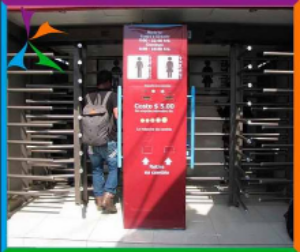
Pay to use bathrooms were discussed as a way to fund the bathroom. Eagle Pass said they have recently seen newly installed bathrooms in their border city of Piedras Negras (below left). Pay toilets came under attack in the U.S in the 1970’s and were banned in many cities. Many of the laws have been repealed today but pay toilets are rare in America. This led to the Portland Loo discussion--

The Portland Loo (above right) was an interesting concept. The bathroom is made completely of stainless steel and can be hosed down. Louvers at the top and bottom allow law enforcement to monitor without compromising privacy. http://theloo.biz/
Paris discussed their new bathroom project costing $45,000. It will be single stall for male and female. It includes storage for a splash pad planned next door. The design was chosen to look like downtown buildings.
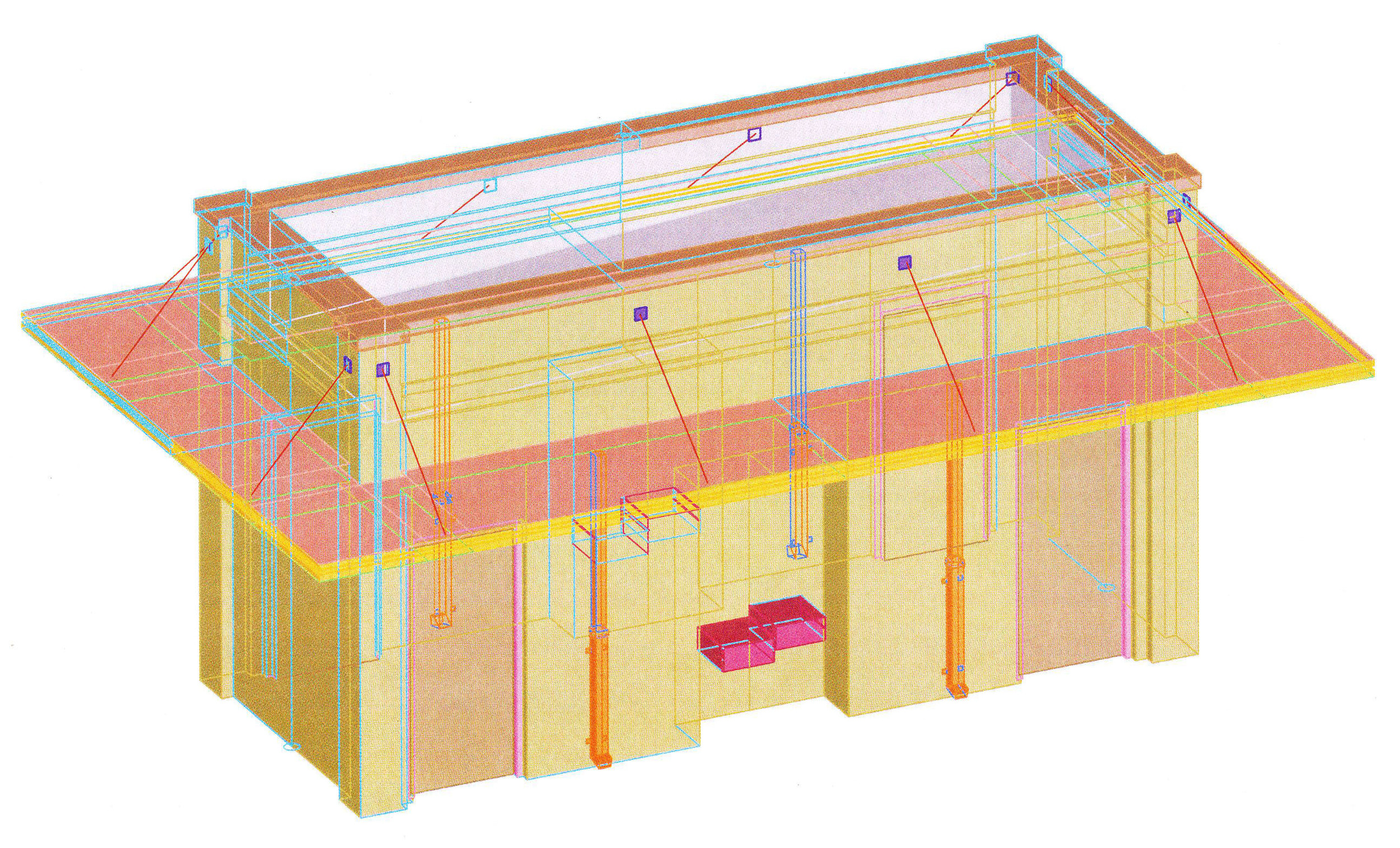
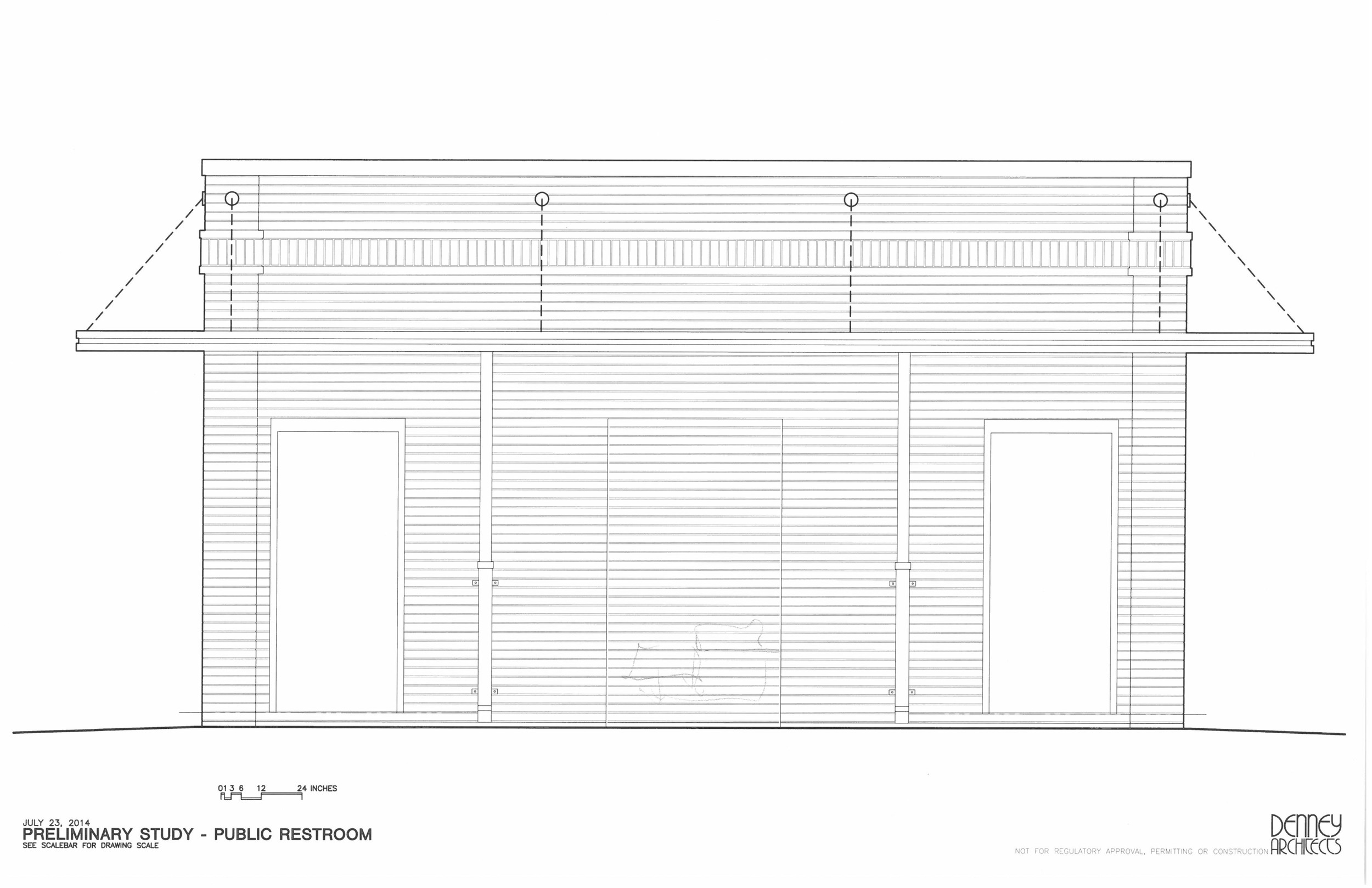
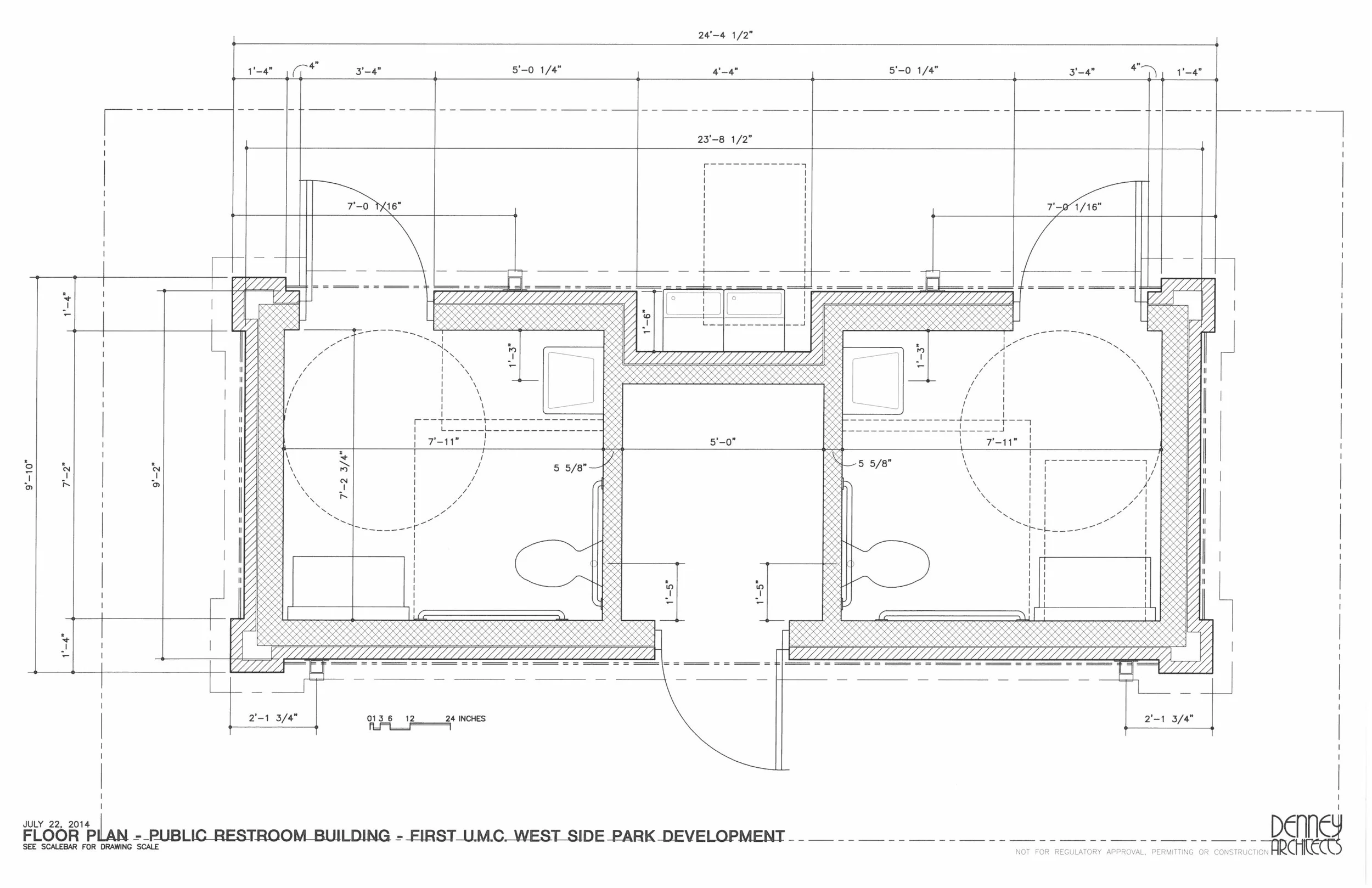
Other specific costs were discussed from the bathroom information already on the Resource Library: http://www.txms-resourcelibrary.org/public-restrooms/?rq=public%20restrooms
There was also a lot of concern about staffing people to open and close the bathroom. Waxahachie’s solution to use automatic locks seems to easily solve this issue: automatic locks open at 6 am and close at 11 pm.
Brenham does not have to deal with this issue at all, the restrooms are always open even on holidays. "We had a gate put on that was planned to be closed each night, but there hasn’t been a need. We’ve had them for 10 years."
Harlingen was having some problems with business’ being fined for not letting customers use the bathroom since it was part of the law. Information was Provided on the Restroom Access Act which does require access to all customers but it does require access to customer with a medical condition with medical statement or identification card. The Restroom Access Act, also known as Ally's Law, is legislation passed by several U.S. states that requires retail establishments that have toilet facilities for their employees to also allow customers to use the facilities only if the customer suffers from an inflammatory bowel disease or other medical condition requiring immediate access to a toilet.
The law - Sec. 341.069. ACCESS TO RESTROOM FACILITIES.
(1) "Customer" means an individual who is lawfully on the premises of a retail establishment.
(2) "Eligible medical condition" means Crohn's disease, ulcerative colitis, irritable bowel syndrome, or any other permanent or temporary medical condition that requires immediate access to a toilet facility.
(3) "Physician" has the meaning assigned by Section 151.002, Occupations Code.
(4) "Retail establishment" means a place of business open to the general public for the sale of goods or services.
(b) A retail establishment that has a toilet facility for its employees shall allow a customer to use the toilet facility during normal business hours if:
(1) the retail establishment does not have a public restroom that is immediately accessible to the customer;
(2) the employee toilet facility is not located in an area where providing access would create an obvious health or safety risk to the customer or an obvious security risk to the retail establishment;
(3) the customer requesting use of the employee toilet facility provides the retail establishment with evidence of the customer's eligible medical condition including:
(A) a copy of a statement signed by a physician, a registered nurse, a physician's assistant, or a person acting under the delegation and supervision of a licensed physician in conformance with Subchapter A, Chapter 157, Occupations Code, that indicates the customer suffers from an eligible medical condition or uses an ostomy device; or
(B) an identification card that is issued by a nationally recognized health organization or a local health department and that indicates the customer suffers from an eligible medical condition or uses an ostomy device; and
(4) three or more employees of the retail establishment are working and physically present on the premises of the retail establishment at the time the customer requests to use theemployee toilet facility.
(c) A customer who uses a toilet facility as authorized by this section shall leave the toilet facility in the same condition as it was before the customer used the toilet facility.
(d) In providing access to an employee toilet facility under this section, the retail establishment or employee does not owe the customer to whom access is provided a greater degree of care than is owed to a licensee on the premises.
(e) An employee of a retail establishment who refuses to provide a customer with access to an employee toilet facility as required by this section commits an offense. An offense under this section is a misdemeanor punishable by a fine of not more than $100.
(f) A retail establishment is not required to make any physical changes to an employee toilet facility under this section.
Farmer's Markets
Marie Oehlerking-Read, Project Design Assistant and Emily Koller, Planner
The Farmer’s Market roundtable was attended by several Main Streets who have well established markets as well as those looking to start their own. The established markets provided a ton of information on how to get started, set a schedule, create the right documentation, and regulate the market. Below are just a few of the highlights:
La Grange
runs every Saturday all year long
produce and anything homemade including food and crafts is allowed
a permit is needed to sell eggs
vendors apply through Main Street and have to update their form each year
market is set up on courthouse lawn, which is also open to the public on Saturdays
Vendors bring tents and tables
Main Street provides restrooms and advertises on Facebook
Main Street does not require fees or take from vendor sales
To download forms or learn more, please visit - http://visitlagrangetx.com/farmers-market/
Ennis
April 4th - October 31st
Open every Saturday from 8 Am to 1 Pm
Located in the Historic Downtown at 100 N. Dallas St.
25 vendors providing a wide selction of fruits, vegetables, honey, meat, nuts, cottage and prepared food and crafts.
Special events are scheduled throughout the season, including cooking demostrations
Once per month, the Market hosts live entertainment on the McDowal Park Stage.
orms and more information here - http://ennistx.com/farmers-market
Waxahachie
market located in old lumberyard on the edge of the Main Street district
self – sustaining, city does not fund except for capitol improvements
vendors run market, Main Street keeps track of paper work and pays their bills
Started 2002
April through October, Saturday 8-1 , special Christmas market in December
typically 150 vendors
Not all vendors come every weekend, however about 30 are full time
Health department requires permit, $30 each vendor
organization charges $120 for space rental
Special events are held through out the season including grill fest and kids activities
Last year the market reported $117,000 in sales
Vendors are requried to submit sales numbers and other information as part of contract
Vendors with 2 year history at market get assigned space, otherwise first-come first-serve
For more information - http://www.waxahachie.com/Departments/DowntownDevelopment/DowntownFarmersMarket
Palestine
Farmer’s Market is a separate organization from Main Street.
They built their own pavilion and are open seven days a week.
https://www.facebook.com/Palestine-Farmers-Market-233309066693545/
Vernon
Funded by Main Street and Tourism office
no vendor fees
have activities for kids often
Located on courthouse square, May – October, every Saturday
A few issues were also discussed at the table including:
Some vendors do not grow their own fruits and vegetables. Instead, they buy produce in bulk and resell at the farmer's market. How do you prevent them from doing that?
establish rule in vendor contract that sets production radius at 50 miles or less or completely outlaws reselling produce
Vernon has established a rule where farmers who grow their own produce are set up in one section of the market, while those that resell produce are in another, so they are easily distinguishable.
Some markets have a problem getting vendors to provide produce because of their region and the ability to grow vegetables in that area.
Cooping with other markets in other regions was a suggested idea. The produced could be shipped but from a know location.
"Open Mic"
Sarah Marshall, Assistant State Coordinator
At February training in New Braunfels, I headed up the Open Mic roundtable. The purpose of this forum was to be able to ask a question on any topic that needed an answer, and our subject matter was quite diverse. The people who joined the table not only got some answers from me, but all of the other managers at the table were extremely helpful as well.
The first question was about economic development groups, and how they finance parts of Main Street. The manager’s city has a Type A, but feels that if they switched to a Type B, there would be more money available for Main Street projects. Although I did not have the answer on hand, I easily followed up when I got back to the office. The survey information that managers fill out with the 10 Criteria reports is amassed into one spreadsheet, and this past year, it included the amount of money Type As and Bs contributed to the Main Street divided between operations and special projects. Then, we remove the city’s name associated with the information for confidentiality purposes and make this report available to the public. I sent the manager the report the following week, and she had all the information she needed. If you ever need this type of data, please ask us!
The second topic of discussion was one that all Main Street managers have struggled with at one time: how do you get property owners to fix their buildings? While everyone wishes there was one antidote that fixes this situation in every community with every deteriorating property, it is unfortunately not an easy problem to solve. We talked about the possibility of initiating a vacancy ordinance in this particular city, and I directed the manager to the Resource Library. The TMSP’s Community & Economic Development Specialist, Brian O’Connor, wrote an in-depth article (link to this: http://www.txms-resourcelibrary.org/vacant-properties) about options to approach the owners of vacant properties. From vacant property registration ordinances to land banks, Brian covers the basics to tackle this issue, and if you did not get enough information from the article or would like to discuss your particular issues, Brian is just a phone call or email away.
The final subject we conversed about is how to make a case for getting support staff in the Main Street office. While many of the Main Street managers give the illusion that they can do it all, in actuality, it is a tough mission to wear dozens of different hats and complete tasks with expertise and efficiency. One suggestion was to work with local universities or colleges to get interns. Not only can you get projects done with little to no cost, you actually enrich a student’s learning by giving them real-world experience. Tasks can range too depending on what plans you have on your plate, and they can include social media, marketing, and downtown inventory to name a few. If you can lay out a clear process, you can utilize an intern.
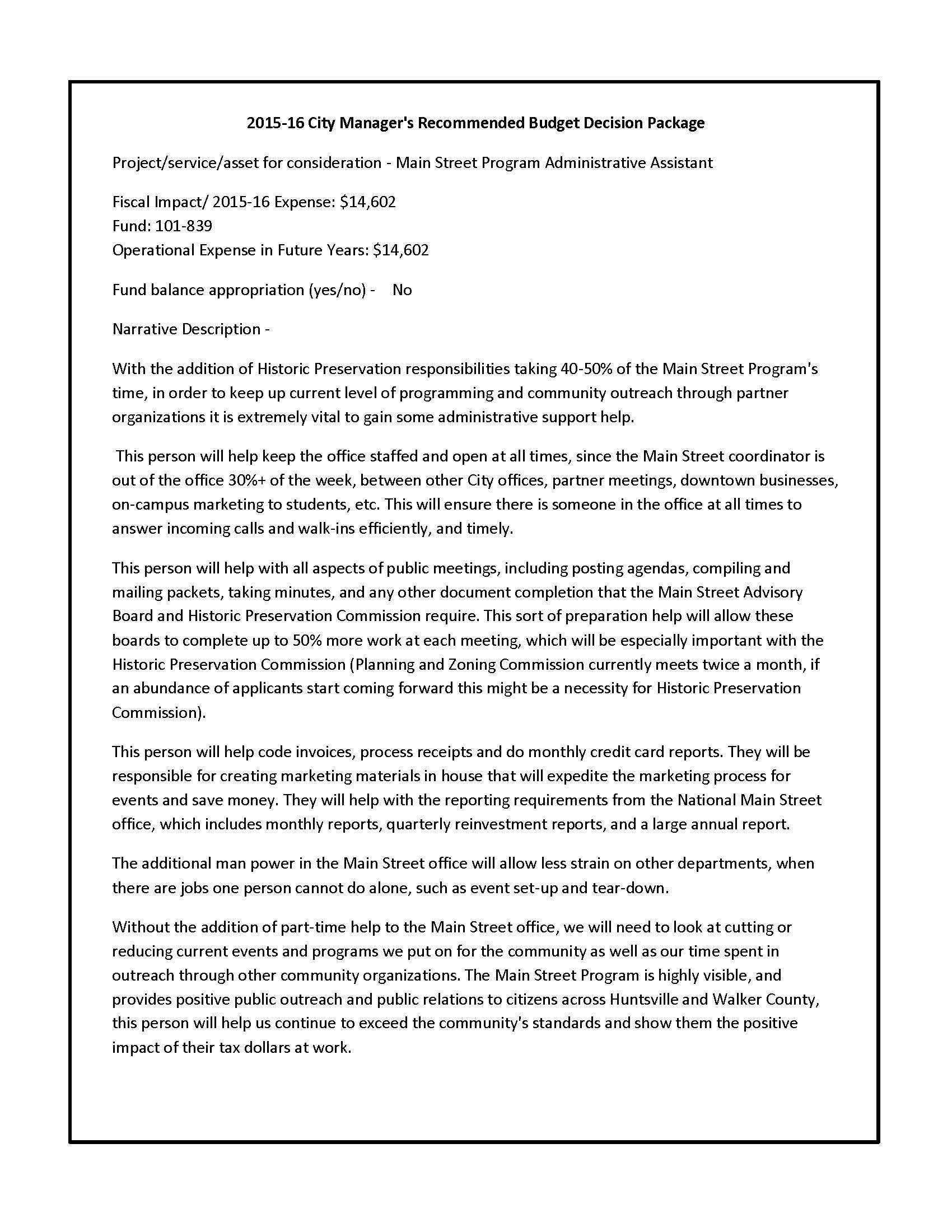
Interns are not always the key to getting the long-term assistance managers need in the office. Lindsay Lauher in Huntsville recommended making a financial case for paid assistance. By demonstrating the necessity and showing how it makes sense economically, the circumstance seems more feasible in eyes of the “powers that be.” Below, you will see the document Lindsay put together to make the argument for an administrative assistant. Although she did not gain an assistant out of this, she is on the right track to demonstrate the help she needs to be successful.
The topics at the roundtable were varied, and it was quite helpful for different managers to ask their questions to other managers. Brainstorming solutions based on real life examples is beneficial to all in the end, and there are not many opportunities to share information in person like this. We will definitely hold another Open Mic roundtable at trainings in the future.